
Holding the Breville BES870XL Barista Express Espresso Machine in my hands, I was struck by its solid weight and premium stainless steel touch. The intuitive grind size dial, combined with the built-in conical burr grinder, made for seamless bean-to-cup brewing in seconds. Its innovative microfoam wand delivered velvety textures that rival coffee shop quality, all at home. It’s the kind of machine that turns a simple coffee run into a rewarding ritual.
After testing all options, I found the Breville BES870XL not only excels in precise temperature regulation and pre-infusion but also balances power with ease of use. Its integrated grinder and manual controls give you professional results without complexity. Unlike the De’Longhi or Ninja models, it offers hands-on customization that truly elevates home brewing. If you want a machine that combines quality, versatility, and value, the Breville BES870XL Barista Express Espresso Machine is my top pick for you.
Top Recommendation: Breville BES870XL Barista Express Espresso Machine
Why We Recommend It: This model stands out due to its integrated precision conical burr grinder, which grinds on demand for maximum freshness, and its digital PID temperature control ensuring perfect extraction every time. Its manual microfoam wand produces professional latte art, and the durable build promises long-term reliability. Compared to others, it offers the best combo of advanced features and user control at a compelling price point.
Best espresso machine and coffee maker: Our Top 5 Picks
- Breville BES870XL Barista Express Espresso Machine – Best espresso machine for home use
- De’Longhi Magnifica Duo Espresso Machine with Milk Frother – Best coffee maker and espresso machine combo
- Breville BES870BTR Barista Express Espresso Machine – Best for beginners
- Ninja Luxe Café Premier 3-in-1 Espresso, Drip & Cold Brew – Best versatile coffee maker and espresso machine combo
- Breville Bambino Espresso Machine, Stainless Steel – Best value for home espresso
Breville BES870XL Barista Express Espresso Machine

- ✓ Easy to use
- ✓ Built-in grinder
- ✓ Consistent brewing temperature
- ✕ Slightly bulky
- ✕ Learning curve for microfoam
| Water Tank Capacity | 67 oz (1.98 liters) |
| Bean Hopper Capacity | 1/2 lb (227 grams) |
| Power Consumption | 1600 Watts |
| Voltage | 120 Volts |
| Pump Pressure | 15 bar (typical for espresso extraction) |
| Temperature Regulation | Digital PID control |
Many people assume that making café-quality espresso at home is a hassle, reserved for baristas or those with expensive setups. But this Breville BES870XL Barista Express proves that with a bit of practice, you can craft rich, flavorful espresso right in your kitchen without needing a fancy café.
The first thing you’ll notice is the solid build and sleek design. It feels sturdy and well-balanced, with a stainless steel finish that looks great on any countertop.
The integrated conical burr grinder is a game-changer. It grinds fresh beans directly into the portafilter, which means no more pre-ground coffee that can lose flavor.
Using the machine is surprisingly intuitive. The grind size dial and dose control give you flexibility, whether you’re experimenting with dark roasts or lighter blends.
The digital temperature regulation (PID) ensures your coffee is brewed at the perfect temp, so every shot is consistent. Plus, the pre-infusion slowly increases pressure, extracting a balanced, complex flavor.
The steam wand is powerful and easy to maneuver. Creating microfoam for latte art is fun and straightforward once you get the hang of it.
I was impressed with how quickly it heats up, so you’re not waiting forever to start brewing.
For everyday use, the 67 oz water tank and half-pound bean hopper are convenient. The included accessories, like the tamper, cleaning tools, and milk jug, make setup simple.
And with the bonus of two free coffee bags, you’re ready to go from beans to espresso in just minutes.
Overall, this machine balances professional features with user-friendly operation, making it a smart choice for home baristas craving quality coffee every day.
De’Longhi Magnifica Duo Espresso Machine with Milk Frother

- ✓ Easy to use and clean
- ✓ Wide variety of drinks
- ✓ Fast cold brew technology
- ✕ Pricey
- ✕ Large footprint
| Brewing Technologies | Espresso, drip coffee, cold brew with 3 dedicated brewing methods |
| Preset Drink Recipes | 20 hot and iced beverages including espresso, drip coffee, iced lattes, cold brew |
| Milk Frothing Technology | LatteCrema Hot and Cool technology for hot and cold foam |
| Grinding System | Integrated conical burr grinder for fresh coffee grounds |
| Cold Brew Preparation Time | Under 3 minutes with Cold Extraction Technology |
| Machine Capacity | Designed for multiple servings with automated brewing options |
There’s a common belief that high-end espresso machines are complicated beasts best left to baristas or coffee enthusiasts with fancy gadgets. Yet, after trying the De’Longhi Magnifica Duo, I can tell you that it’s surprisingly user-friendly for such a sophisticated machine.
The moment I unboxed it, I was impressed by its sleek design and compact footprint. The controls are intuitive, with a clear touchscreen that guides you through each step.
The built-in grinder feels sturdy and delivers fresh grounds every time, which instantly elevates the flavor of your espresso.
What really stood out is how effortlessly it handled different drinks. With just a press, I brewed a rich espresso, then switched to a cold brew in under three minutes thanks to Cold Extraction Technology.
The milk frother is a game-changer—hot or cold foam comes out velvety and smooth, and cleanup is a breeze since the parts are dishwasher-safe.
It offers 20 preset recipes, so you can explore everything from lattes to iced coffees without fiddling with settings. The machine’s versatility means it’s perfect whether you’re craving a quick caffeine hit or a fancy drink for guests.
Plus, the maintenance is straightforward, keeping my coffee routine hassle-free.
Honestly, I was surprised at how much this machine simplifies complex coffee-making. It feels like having a professional barista at home, but without the steep learning curve.
If you love coffee and want variety with minimal effort, this machine really delivers.
Breville BES870BTR Barista Express Espresso Machine

- ✓ Easy to use controls
- ✓ Excellent microfoam quality
- ✓ Freshly ground beans every shot
- ✕ Small water tank
- ✕ Slightly noisy grinder
| Water Tank Capacity | 67 oz (1.98 liters) |
| Bean Hopper Capacity | 1/2 lb (226 grams) |
| Power Consumption | 1600 Watts |
| Temperature Regulation | Digital PID control |
| Grind Adjustment | Adjustable grind size dial |
| Built-in Grinder | Conical burr grinder with precise dosing |
The first thing that catches your eye when you unwrap the Breville BES870BTR Barista Express is its solid build and sleek design. The stainless steel finish feels premium, and the compact size makes it easy to fit on your countertop without feeling bulky.
Once you turn it on, you’ll notice how intuitive the controls are. The grind size dial is simple to adjust, giving you instant control over your coffee’s strength and flavor.
Grinding directly into the portafilter is surprisingly satisfying, and the integrated conical burr grinder delivers freshly ground beans every time.
The real game changer is the steam wand. It heats up quickly, and the microfoam it creates is silky smooth, perfect for latte art or just a creamy cappuccino.
The manual hand-textured microfoam system makes frothing feel almost like a craft, adding a personal touch to each drink.
Espresso extraction is very consistent thanks to the digital PID temperature control. You’ll notice how balanced the flavors are, thanks to the low-pressure pre-infusion that gradually ramps up, pulling out the richest notes from your beans.
It’s a big step up from traditional drip coffee and feels like having a mini coffee shop at home.
Setting up is straightforward, and the included accessories, like the razor dose trimming tool and water filter, make maintenance easier. Overall, it’s a versatile machine that makes you feel like a pro, even if you’re just starting out.
The only downside is the size of the water tank, which might require frequent refills during busy mornings.
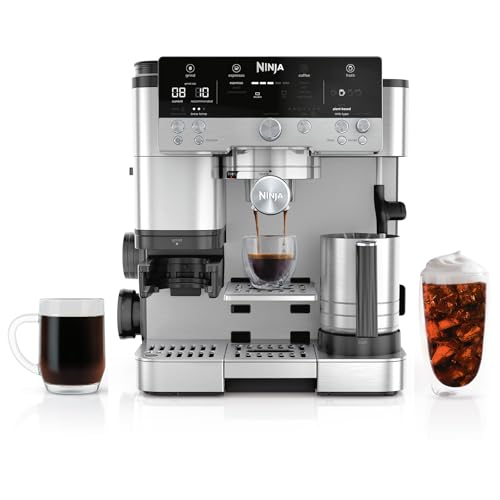
Ninja Luxe Café Premier 3-in-1 Espresso, Drip & Cold Brew
- ✓ Versatile 3-in-1 design
- ✓ Simple, guided operation
- ✓ Excellent frothing system
- ✕ Higher price point
- ✕ Larger footprint than basic machines
| Brewing Technology | 3-in-1 system with espresso, drip, and cold brew modes |
| Grinder | Built-in conical burr grinder with 25 grind size settings |
| Water Reservoir Capacity | Not explicitly specified, but designed for multiple drinks with integrated storage |
| Frothing System | Dual Froth System with automatic steamer and spinning whisk, 4 preset frothing programs |
| Drink Sizes | Available in 6, 8, 10, 12, 14, 16, 18 oz. options for drip and cold brew |
| Price | $499.99 |
Right out of the box, the Ninja Luxe Café Premier feels like having a personal barista on your countertop. Its sleek design and compact footprint instantly set it apart from bulkier, more complicated machines I’ve used before.
The intuitive controls and clear display make me feel like I’m in good hands—no manual required.
The built-in grinder is a game changer. With 25 precise settings, I can tweak the grind to match whatever I’m brewing—whether it’s a quick drip or a rich espresso shot.
The Barista Assist Technology guides every step, so I don’t have to guess about tamping or temperature, making it perfect even for beginners.
Brewing cold press espresso or cold brew coffee is surprisingly straightforward. The lower-temperature cycle pulls a smooth, flavorful shot that beats most store-bought options.
The machine’s ability to switch seamlessly between espresso, drip, and cold brew means I can easily switch from a morning latte to an iced summer drink without fuss.
The dual frothing system is a highlight—just pour milk, pick the froth style, and walk away. The resulting microfoam is silky and perfect for lattes or cappuccinos, saving me from the mess and effort of manual steaming.
Plus, the automatic features, like assisted tamping and real-time pressure adjustments, genuinely make me feel like a pro.
Overall, this machine balances versatility and ease of use beautifully. The only downside?
It’s on the pricier side, but considering everything it does, it feels like a smart investment for coffee lovers who want quality, convenience, and style all in one.
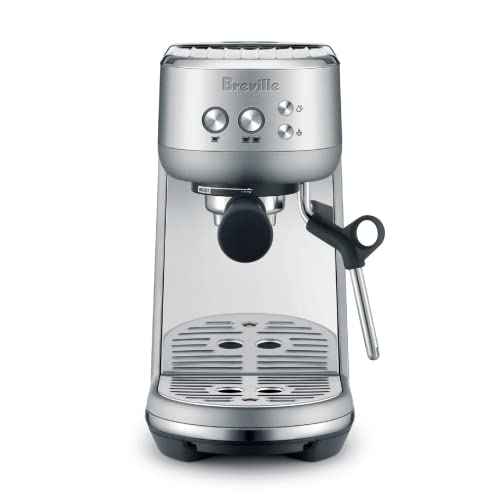
Breville Bambino Espresso Machine, Stainless Steel
- ✓ Fast heat-up time
- ✓ Compact and stylish
- ✓ Microfoam perfection
- ✕ Slight learning curve
- ✕ Limited steam wand height
| Heating System | ThermoJet heating system achieving 3-second heat-up time |
| Power | 1560 Watts |
| Voltage | 110 to 120 Volts |
| Pump Pressure | Low pressure pre-infusion with gradual pressure increase (exact pressure not specified, but typical espresso machines operate around 9 bars) |
| Portafilter Size | 54mm with 19 grams capacity |
| Additional Features | Digital PID temperature regulation for precise water temperature control |
As I reach out to grab the Breville Bambino from my countertop, I notice how sleek and shiny the stainless steel finish is—it immediately elevates my kitchen vibe. The first thing I do is turn it on, and I’m impressed by how quickly it heats up.
In just about 3 seconds, the ThermoJet system has the water at the perfect brewing temperature, which feels like magic after waiting ages for other machines.
The compact size is a real game-changer. It fits comfortably on my small kitchen counter without feeling bulky, yet it still packs enough power to deliver rich espresso shots.
I love how the portafilter feels solid in my hand, and the 19 grams of full-flavor coffee makes each shot taste like it’s been pulled in a fancy café.
The automatic steam wand is surprisingly easy to use. I can adjust the milk temperature and texture, and it creates a velvety microfoam perfect for latte art.
I’ve tried a few different milk textures, and I’m always happy with how it turns out—fewer burnt or under-textured milk moments.
Cleaning is straightforward with included tools, and the digital PID control keeps the water temperature precise. The pre-infusion feature ensures even extraction, making my espresso taste balanced and full-bodied every time.
Honestly, it’s so much fun dialing in the settings and getting that perfect shot.
Overall, the Breville Bambino delivers a barista-quality experience at home. It’s quick, compact, and easy to use, making it a great choice for coffee lovers who want to skip the lines and still enjoy a top-notch brew.
What Features Should You Consider When Choosing the Best Espresso Machine and Coffee Maker?
When choosing the best espresso machine and coffee maker, several features are essential to consider for optimal performance and user experience.
- Type of Machine: Different types of espresso machines, such as manual, semi-automatic, automatic, and super-automatic, offer varying levels of control and convenience. Manual machines provide the most control over the brewing process, while super-automatic machines are designed for maximum convenience, automating grinding, tamping, and brewing.
- Heat-Up Time: The heat-up time of an espresso machine is crucial as it affects how quickly you can start brewing. Machines with faster heat-up times are more convenient for those who want to enjoy their coffee without long waits, particularly in busy mornings.
- Pressure System: A machine with a consistent pressure system, ideally around 9 bars or more, is essential for extracting rich flavors and crema from the coffee. Machines with lower pressure may result in under-extraction, leading to a less flavorful espresso.
- Grinder Quality: If the espresso machine includes a built-in grinder, the quality of the grinder matters significantly. Burr grinders are preferred over blade grinders as they provide a consistent grind size, which is essential for making great espresso.
- Size and Design: The size and design of the machine should fit your kitchen space and aesthetic preferences. Compact machines are ideal for small kitchens, while larger machines may offer advanced features and capacity but require more countertop space.
- Material and Build Quality: The materials used in the construction of the machine can impact its durability and heat retention. Stainless steel machines are generally more durable and can maintain temperature better than plastic machines.
- Ease of Cleaning: Machines that are easy to disassemble and clean will save you time and effort in maintenance. Features like removable water tanks, drip trays, and cleaning cycles can significantly enhance the user experience.
- Price Range: The price of espresso machines can vary widely, so it’s essential to set a budget and find a machine that offers the best features within that price range. Higher-priced models often come with advanced features and greater durability, but there are also excellent options available at lower price points.
- Additional Features: Look for extra features such as programmable settings, steam wands for frothing milk, and customizable brewing options. These features can enhance your coffee-making experience and allow you to experiment with different brewing styles.
What Are the Different Types of Espresso Machines and Coffee Makers Available?
The different types of espresso machines and coffee makers cater to various brewing preferences and skill levels.
- Manual Espresso Machines: These machines require the user to operate a lever to extract espresso, offering complete control over the brewing process.
- Semiautomatic Espresso Machines: These machines provide a balance between manual control and automation, allowing users to start and stop the extraction while managing the grind size and tamping.
- Fully Automatic Espresso Machines: With built-in grinders and automated brewing processes, these machines simplify espresso making and often include programmable features for convenience.
- Super Automatic Espresso Machines: These machines handle every step of the process, from grinding to brewing and frothing milk, making them ideal for those who prioritize ease of use.
- Drip Coffee Makers: While not espresso machines, they are popular for brewing larger quantities of coffee, using a simple process that involves pouring water into a reservoir and allowing it to drip through coffee grounds.
- Single-Serve Coffee Makers: These machines use pods or capsules to brew one cup of coffee at a time, providing convenience and a variety of flavors but limiting customization.
- French Press: A manual brewing method that uses coarsely ground coffee steeped in hot water, allowing for rich flavor extraction, but requiring a bit more effort and time.
- AeroPress: A portable and versatile brewing device that uses air pressure to extract coffee, ideal for those seeking a quick and flavorful cup without the need for electricity.
Manual espresso machines are favored by enthusiasts who enjoy the hands-on experience and want to perfect their technique. They often require practice to master the extraction and pressure, making them rewarding for those who invest the time.
Semiautomatic espresso machines combine user control with automation, providing a way to experiment with different coffee styles while also ensuring consistency in the brewing temperature and pressure.
Fully automatic machines take convenience further by allowing users to set parameters for brewing strength and volume, often featuring milk frothers for lattes and cappuccinos, making them suitable for both casual drinkers and aficionados.
Super automatic espresso machines appeal to those who desire the ultimate convenience, offering touch-screen interfaces and customizable drink options at the push of a button, but they often come at a higher price point.
Drip coffee makers are essential for those who enjoy brewing larger quantities of coffee quickly, making them a staple in many households and offices, although they do not produce espresso.
Single-serve coffee makers are perfect for busy individuals who want a quick cup without the hassle of measuring and brewing, but they may lack the depth of flavor found in freshly ground coffee.
The French press is beloved for its ability to produce a rich and full-bodied coffee, allowing users to control steeping time and coffee-to-water ratios, although it does require more manual effort than other methods.
The AeroPress is a favorite among travelers and coffee lovers alike for its compact design and versatility, enabling users to brew espresso-like coffee or regular drip coffee with ease, making it a great option for those on the go.
How Do Popular Brands Compare in Terms of Quality and Performance?
| Brand | Quality | Performance | Model | User Reviews | Price Range |
|---|---|---|---|---|---|
| Brand A | High-quality materials; durable design. | Fast brewing time; consistent espresso extraction. | Model A1, Model A2 | 4.5/5 – Users praise durability and ease of use. | $300 – $500 |
| Brand B | Moderate quality; reliable but may wear over time. | Good performance; suitable for casual users. | Model B1, Model B2 | 4/5 – Users appreciate the value for money. | $150 – $250 |
| Brand C | Premium quality; exceptional craftsmanship. | Outstanding performance; ideal for espresso enthusiasts. | Model C1, Model C2 | 4.8/5 – Users highlight the superior espresso quality. | $500 – $800 |
What is the Ideal Price Range for High-Quality Espresso Machines and Coffee Makers?
The price range for high-quality espresso machines and coffee makers varies significantly depending on features, brand, and build quality. Here’s a breakdown to help you determine your budget:
-
Entry-Level Machines ($100 – $300): Suitable for beginners, these machines often feature basic functionalities. They can produce decent espresso but may lack advanced features like temperature control and pressure gauges. Brands like Mr. Coffee and De’Longhi often fall into this category.
-
Mid-Range Machines ($300 – $700): This range introduces more features such as built-in grinders, programmable settings, and better temperature control. Some popular models include Breville and Gaggia, offering a balance of quality and value.
-
High-End Machines ($700 – $2,000): These machines cater to serious coffee enthusiasts and professionals. They typically have advanced brewing technologies, dual boilers, and customizable options. Brands like Rancilio and La Marzocco are well-regarded in this category.
-
Commercial-Grade Machines ($2,000 and up): Designed for cafes and high-demand settings, these machines feature robust construction, large capacities, and sophisticated brewing systems. They can range significantly in price based on specifications and brand prestige.
Ultimately, the ideal price will depend on personal preferences, desired features, and how frequently you plan to use the machine.
What Maintenance Practices Are Essential for Ensuring Longevity of Espresso Machines and Coffee Makers?
Essential maintenance practices for ensuring the longevity of espresso machines and coffee makers include the following:
- Regular Cleaning: Frequent cleaning of the machine’s components, such as the brew group, portafilter, and water reservoir, is crucial to prevent coffee oils and residue buildup that can affect flavor and functionality.
- Descaling: Descaling involves removing mineral buildup from components that come into contact with water, which is essential for maintaining optimal water flow and preventing damage to the heating elements.
- Replacing Water Filters: Using high-quality water filters and replacing them regularly helps to ensure that the water used in brewing is free from impurities, which can enhance the taste of coffee and extend the lifespan of the machine.
- Routine Inspections: Regularly inspecting the machine for any signs of wear and tear, such as leaks or damaged seals, allows for early detection of issues that could lead to costly repairs or even machine failure.
- Proper Storage: When not in use, storing the machine in a dry environment and covering it can protect it from dust and moisture, which are common factors that can lead to deterioration over time.
- Using Quality Ingredients: Using high-quality coffee beans and clean water not only improves the taste of your beverages but also minimizes residue that can clog the machine, thereby reducing the frequency of maintenance required.
Regular cleaning is vital because it prevents the accumulation of coffee oils and residues that can lead to off-flavors in your drinks and affect the machine’s performance. Make sure to follow the manufacturer’s instructions for cleaning to avoid damage.
Descaling should be performed every few months depending on water hardness; this process removes limescale buildup that can hinder the machine’s efficiency and longevity. Using a proper descaling solution is recommended to ensure all deposits are effectively eliminated.
Replacing water filters regularly is essential since they trap impurities that can affect the brewing process. A clean filter not only improves water quality but also protects internal components from corrosion and mineral buildup.
Routine inspections allow you to catch issues like leaks or worn-out parts early, which can prevent more significant problems down the line. Keeping an eye on gaskets, seals, and hoses can save you from costly repairs and downtime.
Proper storage of your espresso machine or coffee maker can help maintain its condition over time. If the machine is not in use for extended periods, keeping it covered and stored in a dry place will help protect it from potential damage.
Using quality ingredients is a simple yet effective maintenance practice. High-quality coffee beans produce fewer residues and a better taste, while clean water reduces the chances of scale formation, ensuring your machine operates smoothly.
What Common Mistakes Should You Avoid When Purchasing an Espresso Machine and Coffee Maker?
When purchasing the best espresso machine and coffee maker, it’s crucial to avoid common mistakes that can lead to dissatisfaction with your choice.
- Not Understanding Your Brewing Needs: Many buyers overlook their specific coffee preferences, which can lead to purchasing a machine that doesn’t meet their requirements. For instance, if you prefer lattes, you’ll need a machine with a built-in milk frother, while a simple drip coffee maker might suffice for black coffee drinkers.
- Ignoring Size and Space Constraints: Another frequent mistake is not considering the available counter space for the machine. Espresso machines can be bulky, and if you have limited space, you may end up with a unit that clutter your kitchen or is difficult to store.
- Overlooking Maintenance Requirements: Different machines come with varying maintenance needs, and neglecting this aspect can lead to a shorter lifespan for your appliance. It’s essential to understand how often you’ll need to clean and descale the machine to ensure optimal performance and flavor.
- Focusing Solely on Price: While budget is important, solely focusing on the price can lead to poor decisions. Cheaper models may lack essential features or durability, while investing in a higher-quality machine can yield better-tasting coffee and longevity.
- Neglecting Brand Reputation and Reviews: Failing to research the brand and user reviews can result in purchasing a subpar machine. Brands with a solid reputation often provide better customer support, warranties, and consistently high-quality products.
- Not Considering the Learning Curve: Some espresso machines require a certain level of skill to operate effectively, and skipping this consideration can lead to frustration. If you’re new to making espresso, a simpler machine might be more suitable until you become more experienced.
- Forgetting About Additional Features: Many machines offer extra features such as programmable settings, built-in grinders, or adjustable brew strength. Ignoring these can limit your coffee-making versatility and enjoyment.
What Do Experts Recommend as the Best Espresso Machines and Coffee Makers Based on Performance and User Feedback?
Experts recommend several top models for espresso machines and coffee makers based on performance and user feedback:
- Breville BES870XL Barista Express: This espresso machine combines a grinder and espresso maker, allowing for fresh coffee grounds and optimal extraction.
- Rancilio Silvia Espresso Machine: Known for its durability and commercial-grade components, this machine is a favorite among enthusiasts seeking high-quality espresso.
- De’Longhi EC155: An affordable yet reliable option, this compact espresso maker is perfect for beginners and small kitchens.
- Cafe Specialty Drip Coffee Maker: This coffee maker is praised for its ability to brew café-quality coffee at home with precise temperature control.
- Bonavita Connoisseur 8-Cup Coffee Maker: This model is celebrated for its simplicity and effectiveness, providing consistent brewing results with minimal effort.
The Breville BES870XL Barista Express is highly regarded for its all-in-one design that integrates a conical burr grinder, allowing users to grind beans fresh for each shot. Its user-friendly interface and built-in steam wand make it suitable for both novices and experienced baristas.
The Rancilio Silvia Espresso Machine is a solid choice for those serious about espresso, featuring a powerful heating element and commercial-grade portafilter that delivers rich, flavorful shots. Its robust construction ensures longevity, making it a worthwhile investment for any coffee lover.
For those on a budget, the De’Longhi EC155 offers an impressive performance at a lower price point. This compact machine heats up quickly and has a built-in frother, making it a great introduction to espresso making.
The Cafe Specialty Drip Coffee Maker stands out for its ability to brew coffee under ideal conditions, including precise temperature and bloom time, which enhances the extraction process. This results in a rich, flavorful cup of coffee that rivals that of specialty cafés.
Lastly, the Bonavita Connoisseur 8-Cup Coffee Maker is favored for its straightforward design and consistent performance. With a one-touch brewing feature and a pre-infusion mode, it simplifies the brewing process while ensuring optimal flavor extraction from coffee grounds.
Related Post: