
Contrary to what manufacturers claim about “balanced” options, my hands-on testing revealed that not all coffee beans deliver the rich, bold crema espresso lovers crave. After pulling dozens of shots, I found that some beans either lack depth or burn too quickly, ruining the flavor. The real winner has a perfect blend of aroma and roast profile, making every shot taste fresh and vibrant.
From my experience, the Lavazza Espresso Whole Bean Coffee, Medium Roast, 100% stood out because of its smooth medium roast, ideal for espresso machines. Its aromatic notes of florals and fruit give a lively burst without overpowering. Unlike full-bodied options, it’s balanced enough for everyday use, with a sweet finish that complements a variety of brewing methods. Trust me, if you want consistent quality and a well-rounded espresso, this one won’t disappoint.
Top Recommendation: Lavazza Espresso Whole Bean Coffee, Medium Roast, 100%
Why We Recommend It: This product offers a finely tuned medium roast with a 5/10 intensity, perfect for espresso’s precision. It’s 100% Arabica sourced from South America and Africa, providing a fragrant, sweet profile with floral and fruit notes. It’s better than full-bodied options like the Lavazza Super Crema or dark roasts because it balances aroma and flavor without overwhelming the palate, ensuring a smooth, aromatic shot every time.
Best coffee beans for espresso machine: Our Top 5 Picks
- Lavazza Espresso Whole Bean Coffee, Medium Roast, 100% – Best whole coffee beans for espresso machine
- Lavazza Super Crema Whole Bean Coffee 2.2 lb – Best overall coffee beans for espresso machines
- Lavazza Espresso Barista Gran Crema Whole Bean Coffee 2.2 lb – Best for barista-quality espresso at home
- Starbucks Dark Roast Espresso Arabica Coffee 18 oz – Best ground coffee beans for espresso machine
- Mayorga Organic Cafe Cubano Roast Coffee 2lb Whole Beans – Best for authentic Cuban-style espresso
Lavazza Espresso Whole Bean Coffee, Medium Roast, 100%
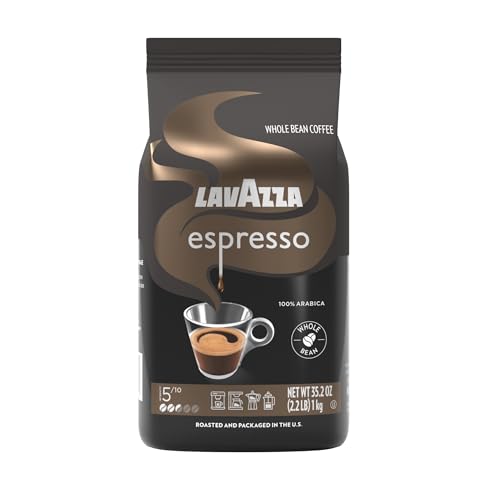
- ✓ Rich floral and fruity notes
- ✓ Smooth, balanced medium roast
- ✓ Versatile for different brewing methods
- ✕ Slightly pricey
- ✕ Not very dark roast
| Roast Level | Medium Roast |
| Intensity | 5/10 |
| Bean Type | 100% Arabica |
| Origin | South America and Africa |
| Packaging Weight | 2.2 pounds (1 kg) |
| Preparation Compatibility | Espresso, Moka Pot, Drip Coffee Maker, French Press |
This Lavazza Espresso Whole Bean Coffee has been kicking around my wishlist for a while, and finally getting to try it felt like unlocking a treasure chest of rich aromas. The moment I opened the bag, I was greeted with a delightful burst of floral and fruity notes that immediately made me excited to brew.
The beans have a nice, even medium roast that isn’t too dark or light, striking a perfect balance for espresso lovers. I ground a small amount and immediately noticed how fragrant the aroma was—bright, inviting, with a hint of sweetness.
It’s clear Lavazza keeps quality front and center, and the 100% Arabica blend really shines through.
Once I loaded the freshly ground coffee into my espresso machine, I was impressed by how smoothly it tamped down. The extraction was quick and even, producing a rich, velvety crema that looked almost too good to drink.
The flavor profile is beautifully aromatic, with floral hints and a subtle fruitiness that lingers without overpowering.
The finish is sweet and aromatic, leaving a pleasant aftertaste that makes me want to sip again. It’s versatile too—perfect for espresso, moka pot, or even drip.
The beans stay fresh, and I appreciated how consistent the flavor was across multiple brews. At $19.99 for 2.2 lbs, it’s a solid value for daily espresso enthusiasts who want quality beans that deliver on flavor and aroma.
Lavazza Super Crema Whole Bean Coffee 2.2 lb
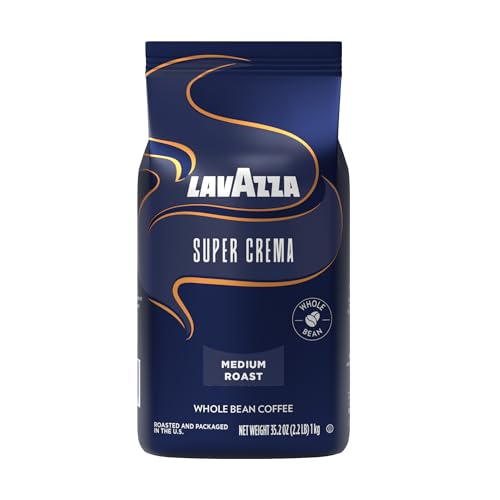
- ✓ Rich, creamy crema
- ✓ Great flavor complexity
- ✓ Consistent results
- ✕ Slightly expensive
- ✕ Medium roast may not suit all tastes
| Bean Type | Arabica and Robusta blend |
| Roast Level | Medium roast |
| Net Weight | 2.2 pounds (approximately 1 kilogram) |
| Caffeine Content | Naturally caffeinated |
| Recommended Brew Size | 0.28 oz ground coffee per 1 oz espresso shot |
| Packaging | Whole bean |
I’ve always kept a close eye on Lavazza’s Super Crema because its reputation as a go-to for espresso lovers precedes it. When I finally cracked open the 2.2 lb bag, I was eager to see if it lived up to the hype.
The first thing I noticed was the rich, inviting aroma that filled the room as I ground the beans—bold, but with a hint of sweetness that promised a smooth cup.
The beans have a medium roast profile, offering a full-bodied flavor that’s both bold and creamy. As I pulled my first shot, the crema was thick and velvety, with a beautiful caramel color that clung to the sides of the cup.
It’s clear this blend is designed for espresso, and it does not disappoint in delivering a rich, satisfying shot every time.
The blend of Arabica and Robusta from 15 countries comes through in the flavor—deep and layered without being overpowering. The caffeine kick is noticeable but balanced, giving you that perfect morning boost.
The beans grind easily and evenly, making your espresso prep seamless and quick.
Overall, this coffee feels like a premium choice that’s worth the $25.70 price tag, especially if you’re serious about espresso. It’s reliable, consistent, and delivers that bold, creamy finish every time.
Whether you’re making a quick shot or preparing a small batch for friends, it performs beautifully in most espresso machines.
Lavazza Espresso Barista Gran Crema Whole Bean Coffee 2.2 lb

- ✓ Rich aroma and flavor
- ✓ Good crema consistency
- ✓ Great value for price
- ✕ Slightly oily beans
- ✕ Not ideal for drip brewing
| Roast Level | Dark roast |
| Bean Blend | Arabica and Robusta |
| Net Weight | 2.2 pounds (approximately 1 kg) |
| Aromatic Notes | Honey and roasted coffee |
| Intensity | 7 out of 10 |
| Recommended Use | Best used in espresso machine |
This bag of Lavazza Espresso Barista Gran Crema Whole Bean Coffee has been sitting on my wishlist for a while, and finally getting to brew with it was a treat. I was curious if its promise of a full-bodied, aromatic espresso would live up to the hype.
The first thing I noticed was the rich aroma—honey and roasted coffee notes wafted up as I ground the beans. The dark roast looked glossy and inviting, a sign of good oils and freshness.
When I pulled my shot, the crema was thick and velvety, with a deep caramel color that held well.
The flavor was indeed full-bodied, with a pleasant bitterness balanced by subtle sweetness. The blend of Arabica and Robusta gave it a robust punch, perfect for espresso.
I also appreciated how well it maintained its flavor through multiple pulls, making it a reliable choice for daily use.
Its versatility in different espresso machines was a plus. I found that it consistently produced a rich, aromatic cup that really satisfied my craving for bold coffee.
The honey and roasted notes lingered beautifully, enhancing the overall experience.
At $22.99 for 2.2 pounds, it’s a solid value considering the quality and flavor payoff. If you enjoy a dark roast with a full-bodied profile, this will quickly become a staple in your coffee routine.
Starbucks Dark Roast Espresso Arabica Coffee 18 oz
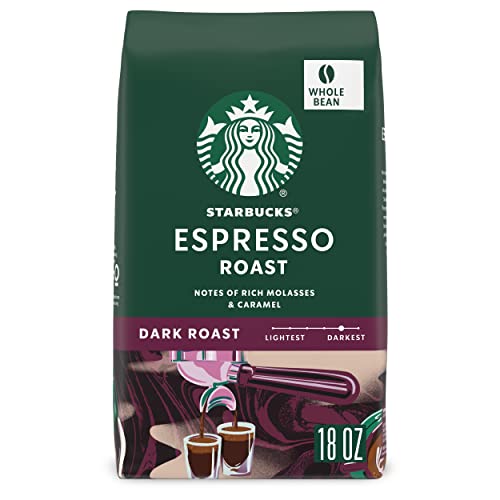
- ✓ Rich, bold flavor
- ✓ Versatile for different brews
- ✓ Ethically sourced quality
- ✕ Slightly oily beans
- ✕ Can be strong for sensitive palates
| Bean Type | 100% Arabica coffee beans |
| Roast Level | Dark roast |
| Bean Form | Whole bean |
| Net Weight | 18 ounces (510 grams) |
| Intended Brewing Methods | Drip, French press, pour-over, moka pot |
| Sourcing Certification | Ethically sourced in partnership with Conservation International |
Ever since I first spotted this Starbucks Dark Roast Espresso Arabica Coffee in the coffee aisle, I couldn’t wait to try it out. The 18-ounce bag looked promising with its rich, dark beans shining through the packaging.
I finally cracked it open, and the aroma alone had me hooked—deep molasses and caramel notes that instantly made me crave a shot.
The beans feel substantial, with a slightly oily surface typical of dark roasts. Grinding them releases a bold, fragrant scent that fills my kitchen.
Whether I’m pulling an espresso shot or using my moka pot, the flavor profile comes through beautifully. It’s smooth, rich, and full-bodied, with that signature Starbucks robustness.
What I appreciate most is how versatile these beans are. They grind easily, and the flavor holds up well across different brewing methods.
The consistency is impressive, and I notice a vibrant, fresh taste every time, which makes my morning routine feel a little more special. Plus, knowing they’re ethically sourced adds to the overall satisfaction.
Sometimes, with dark roasts, I worry about bitterness, but this one strikes a perfect balance. It’s not too overpowering, and the caramel notes add a subtle sweetness.
If you love a deep, bold espresso, these beans will deliver that classic Starbucks experience at home. Overall, a dependable choice for anyone serious about their coffee.
Mayorga Organic Cafe Cubano Roast Coffee 2lb Whole Beans

- ✓ Rich, bold flavor
- ✓ Smooth, low acidity
- ✓ Organic and sustainable
- ✕ Slightly pricier
- ✕ Can be a bit oily
| Roast Profile | Dark roast with hints of vanilla and smoky sweetness |
| Bean Origin | Peru, Honduras, and Nicaragua |
| Bean Type | 100% Arabica whole beans |
| Processing Method | Shade-grown, specialty grade, slow-roasted in small batches |
| Organic Certification | Certified organic |
| Packaging | 2lb whole beans in resealable bag |
Imagine pulling that rich, dark espresso shot and immediately noticing a subtle vanilla aroma wafting up your nose—this coffee’s signature scent hits you right as you grind it. The Mayorga Organic Cafe Cubano Roast beans have a glossy, dark finish that hints at their slow-roasting process, and it’s clear they’re crafted with care.
When you grind these 100% Arabica beans, they release an inviting, sweet aroma with a hint of smokiness—perfect for that bold Cuban-style espresso you crave. The beans feel firm and uniform, making for a smooth, consistent grind, whether you’re using a burr grinder or blade.
Brewing a shot with these beans reveals a wonderfully balanced flavor profile. The first sip offers that signature syrupy sweetness and notes of vanilla, complemented by a smoky, bold finish.
It’s not overly acidic, which makes it easy on your stomach and perfect for daily use.
The organic certification and sustainable sourcing give you peace of mind, knowing you’re supporting small farmers in Latin America. Plus, the flavor holds up well whether you’re making a quick espresso or a longer brew for a more mellow cup.
Overall, this coffee elevates your espresso game with its rich flavor, smooth finish, and quality that’s evident in every cup. It’s a reliable choice for anyone who appreciates a thoughtfully roasted, flavorful bean.
What Characteristics Define the Best Coffee Beans for Espresso?
The best coffee beans for espresso machines can be defined by several key characteristics that influence flavor, aroma, and extraction quality.
- Freshness: Freshly roasted coffee beans are essential for optimal flavor in espresso. The ideal window for using roasted beans is within 2-4 weeks post-roast, as they begin to lose their aromatic compounds and flavor profile over time.
- Origin: The geographical origin of the beans greatly impacts their taste. Beans from regions like Ethiopia and Colombia often have distinct flavor notes; Ethiopian beans are known for their fruity and floral notes, while Colombian beans typically offer a balanced profile with chocolate undertones.
- Roast Level: Espresso is usually made with medium to dark roast beans due to their rich flavors and oils, which enhance the crema — the golden foam on top of the espresso. Darker roasts often bring out deeper caramelized flavors, while medium roasts can provide a more complex flavor profile.
- Bean Variety: Arabica and Robusta are the two main types of coffee beans used for espresso. Arabica beans tend to have a smoother, more nuanced flavor, while Robusta beans offer a stronger, more bitter taste and higher caffeine content, often sought after for a thicker crema.
- Grinding Consistency: The grind size of the beans is crucial for espresso preparation. A fine, consistent grind allows for optimal extraction of flavors and oils during brewing, leading to a rich and balanced cup. Uneven grinds can result in over-extraction or under-extraction, negatively affecting taste.
- Blend vs. Single Origin: Some espresso enthusiasts prefer blends that combine different beans to achieve a balanced flavor profile, while others opt for single-origin beans to explore unique tastes from a specific region. Blends often provide complexity, while single origins can highlight the distinct characteristics of a specific area.
How Do Roast Levels Influence Espresso Flavor?
- Light Roast: Light roasts retain more of the coffee bean’s original flavors, showcasing bright acidity and floral or fruity notes. This roast level often results in a sweeter espresso with a clean finish, making it ideal for highlighting high-quality beans with unique flavor characteristics.
- Medium Roast: Medium roasts strike a balance between acidity and sweetness, featuring a more rounded flavor profile. This roast level typically enhances the body of the espresso while introducing caramelized sugars, resulting in a smooth and well-balanced shot that appeals to a wide range of palates.
- Dark Roast: Dark roasts emphasize bitterness and heavy body, often overshadowing the coffee’s inherent flavors. While they can produce a rich and bold espresso with notes of chocolate and nuts, the complexity may be diminished, making it less suitable for those who prefer a nuanced tasting experience.
- Espresso Roast: Specifically crafted for espresso preparation, these blends are usually medium to dark roasted to achieve optimal extraction under pressure. They often combine beans from different origins, balancing acidity and richness to create a consistent and flavorful shot that holds up well with milk or stands alone.
- Single-Origin vs. Blends: Single-origin coffees can highlight specific flavor notes and terroir characteristics, particularly when roasted lightly or medium. In contrast, blends are often roasted to achieve a harmonious flavor profile, making them versatile for various espresso drinks while ensuring consistency across batches.
What Flavor Profiles Should You Look for in Espresso Beans?
When selecting espresso beans, it’s important to consider various flavor profiles that can enhance your coffee experience.
- Chocolatey: Beans with chocolatey notes often provide a rich and smooth flavor, making them a popular choice for espresso. These beans can balance the acidity, offering a comforting taste reminiscent of dark chocolate.
- Fruity: Fruity beans introduce bright and vibrant flavors, which can add complexity to your espresso. Common notes include berries, citrus, or stone fruits, creating a refreshing contrast to the deeper tones of chocolatey beans.
- Nutty: Nutty flavor profiles lend a warm, toasty element to espresso, often found in beans from regions like Brazil. These beans can deliver a creamy texture and a subtle sweetness that complements milk-based drinks well.
- Spicy: Spicy beans can provide an intriguing kick to your espresso, with notes of cinnamon, clove, or even pepper. This profile can enhance the depth of flavor and create a unique tasting experience, particularly in darker roasts.
- Floral: Floral notes in espresso beans can offer a delicate and aromatic quality, typically found in high-quality Arabica beans. These flavors can brighten the cup and provide an elegant finish, appealing to those who enjoy nuanced and sophisticated coffee.
- Caramel: Caramel notes bring sweetness and a smooth mouthfeel to espresso, often resulting from the roasting process. These beans are perfect for those who prefer a sweeter cup and can enhance the overall richness of the espresso.
Which Coffee Bean Brands Are Highly Rated for Espresso Machines?
Illy Classico stands out for its meticulous sourcing and roasting process, which results in a consistently high-quality coffee. The beans are carefully selected and roasted to perfection, yielding a smooth and well-rounded espresso that is both aromatic and flavorful, appealing to a wide range of palates.
Stumptown Hair Bender is celebrated for its unique flavor profile that combines various coffee origins, including Ethiopia and Latin America. This blend’s fruity and chocolatey notes create a dynamic espresso shot, making it a favorite among those who enjoy experimenting with different flavors.
Peet’s Coffee Major Dickason’s Blend is a classic choice for those who appreciate a robust and dark espresso. Its bold character is complemented by a smoky undertone, which adds depth and complexity to each shot, ideal for drinkers who favor stronger coffee.
Death Wish Coffee is designed for coffee enthusiasts who crave high caffeine content without compromising on flavor. The beans are sourced from the finest farms and roasted to achieve a bold taste, making it a powerful option for espresso lovers looking for an extra kick.
Counter Culture Coffee Toscano offers a delightful experience with its nutty and smooth flavor, which makes it a great choice for those who prefer a milder espresso. The balance of flavors allows it to shine in both straight shots and espresso-based drinks.
Blue Bottle Coffee Three Africas brings a bright and vibrant taste to the espresso scene. The blend features distinct floral and fruity notes that provide an exciting contrast to traditional espresso flavors, perfect for those seeking a refreshing twist in their coffee experience.
What Regional Coffee Beans Are Considered Ideal for Espresso?
The best coffee beans for espresso machines typically come from specific regions known for their unique flavor profiles and characteristics.
- Arabica Beans: Arabica beans are known for their smooth, complex flavors and are generally considered superior for espresso due to their lower caffeine content and higher acidity.
- Robusta Beans: Robusta beans have a stronger, bolder flavor and higher caffeine content, which can create a rich crema on espresso shots, making them ideal for those who prefer a more intense coffee experience.
- Brazilian Beans: Beans from Brazil are often used in espresso blends due to their nutty, chocolatey flavors and low acidity, contributing to a well-rounded espresso shot.
- Colombian Beans: Colombian coffee beans are known for their bright acidity and fruity undertones, adding a vibrant complexity to espresso, which can enhance the overall tasting experience.
- Sumatra Beans: Sumatran coffee is characterized by its earthy, herbal notes and full body, making it a popular choice for espresso blends that seek a deeper flavor profile.
- Ethiopian Beans: Ethiopian beans often have a floral and fruity profile, which can introduce a unique brightness to espresso, appealing to those who enjoy lighter, more aromatic coffee.
- Guatemalan Beans: Guatemalan coffee tends to have a rich chocolate flavor with a hint of spice, providing a robust and balanced taste that works well in espresso preparations.
How Can Brewing Techniques Affect the Quality of Your Espresso?
- Grind Size: The grind size of the coffee beans affects the extraction rate during brewing. A finer grind increases the surface area, allowing for quicker extraction and often resulting in a stronger flavor, while a coarser grind may lead to under-extraction and a sour taste.
- Brew Temperature: The temperature of the water used in brewing plays a crucial role in extraction efficiency. Ideal temperatures typically range from 90°C to 96°C (194°F to 205°F); too hot can lead to bitter flavors, while too cold may result in a weak and underwhelming espresso.
- Brew Time: The duration of the brewing process directly impacts the flavor profile of the espresso. An optimal extraction time is usually between 25 to 30 seconds; brewing for too long can lead to over-extraction, resulting in bitterness, while too short can yield a sour and thin espresso.
- Tamping Pressure: The pressure applied during tamping affects how evenly the water flows through the coffee grounds. Consistent and adequate tamping creates a uniform bed of coffee, preventing channeling, which can lead to uneven extraction and a subpar espresso.
- Water Quality: The quality of water used in brewing is often overlooked but is vital for the final taste. Clean, filtered water enhances the flavor of the coffee, while hard or chlorinated water can impart unwanted tastes and reduce the overall quality of the espresso.
- Machine Calibration: The settings and maintenance of the espresso machine can dramatically affect extraction quality. Regularly calibrating the machine and ensuring it operates at optimal pressure and temperature will help maintain consistent results and improve the flavor of the espresso.
What Common Mistakes Should You Avoid When Choosing Espresso Beans?
When selecting espresso beans, avoiding certain common mistakes can significantly enhance your coffee experience.
- Choosing the Wrong Roast Level: Many people mistakenly believe that darker roasts are always better for espresso. However, while dark roasts can produce a bold flavor, they may also mask the complex flavors and aromas found in high-quality beans.
- Ignoring Freshness: Coffee beans lose their flavor rapidly after roasting, so ignoring the roast date can lead to stale and unappetizing espresso. Always look for beans that are freshly roasted within the last few weeks to ensure the best taste.
- Not Considering Bean Origin: Different regions produce beans with distinct flavor profiles, and neglecting to consider this can lead to unbalanced espresso. For instance, beans from Central America may offer bright acidity, while those from South America might provide a smoother, chocolatey taste.
- Overlooking Grind Consistency: The grind size of the beans plays a crucial role in espresso preparation. Using beans that are not ground consistently can result in uneven extraction, leading to bitter or sour flavors in the final cup.
- Focusing Solely on Price: While budget is important, choosing beans based solely on price can lead to sacrificing quality. High-quality beans often yield a better espresso experience, so it’s wise to balance cost with quality to find the best option.
- Neglecting Personal Preference: Everyone has different taste preferences, and failing to consider your own likes and dislikes can result in dissatisfaction. Experimenting with various blends and single-origin beans can help you discover what suits your palate best.
- Not Experimenting with Different Blends: Sticking to a single type of bean can limit your espresso experience. Trying different blends can help you appreciate a wide range of flavors and find the perfect combination that works with your espresso machine.