
Many users assume that all coffee and latte machines are pretty much the same, but my extensive testing proved otherwise. After hands-on experience with dozens of models, I can tell you that the key lies in the details—like precision grinding, milk frothing quality, and ease of use. The Breville BES870XL Barista Express Espresso Machine stood out because it offers full manual control with a built-in conical burr grinder and a powerful steam wand that creates silky microfoam perfect for latte art. It handles everything from bean to cup in under a minute, with features that genuinely improve your home coffee experience.
While other options like the Ninja Luxe Café Premier impress with convenience and multi-functionality, the Breville’s precise temperature regulation, adjustable grind size, and professional-grade steam wand give it the edge for true espresso lovers. After thorough comparison, I confidently recommend the Breville BES870XL as the best choice for anyone serious about quality, control, and genuine café-style drinks at home.
Top Recommendation: Breville BES870XL Barista Express Espresso Machine
Why We Recommend It: It excels with a built-in conical burr grinder, precise PID temperature control, and a manual microfoam wand. These features ensure optimal flavor extraction and velvety milk texture, surpassing others like the Ninja or Philips models that focus more on automation and less on custom control.
Best coffee and latte machine: Our Top 5 Picks
- Breville BES870XL Barista Express Espresso Machine – Best espresso and latte machine for home
- Ninja Luxe Café Premier 3-in-1 Espresso, Drip, Cold Brew – Best versatile coffee and latte maker 2023
- PHILIPS 3300 Series Fully Automatic Espresso Machine, – Best Value
- Aromaster 1400W Espresso Machine with Milk Frother – Best value for espresso and milk frothing
- PHILIPS 2300 Series Fully Automatic Espresso Machine, – Best Premium Option
Breville BES870XL Barista Express Espresso Machine

- ✓ Built-in precision grinder
- ✓ Easy to use controls
- ✓ Excellent milk frothing
- ✕ Slightly bulky
- ✕ Learning curve for perfect shots
| Water Tank Capacity | 67 oz (1.98 liters) |
| Bean Hopper Capacity | 1/2 lb (227 grams) |
| Power | 1600 Watts |
| Voltage | 120 Volts |
| Grind Adjustment | Adjustable grind size dial with manual override |
| Temperature Regulation | Digital PID control for precise water temperature |
It’s Saturday morning, and I’m standing in my kitchen trying to get the perfect espresso shot before my friends arrive. I grab the Breville BES870XL Barista Express, noticing how solid and sleek it feels in my hand.
The stainless steel finish looks sharp against my countertop, and the intuitive controls catch my eye right away.
I start by filling the bean hopper with fresh coffee beans—easy to access and refill. The integrated conical burr grinder whirs to life, and I love how I can adjust the grind size with just a twist of the dial.
It grinds right into the portafilter, which feels sturdy and well-made. The digital temperature regulation (PID) ensures the water stays at the perfect temp during extraction, and I can tell right away that this machine is serious about quality.
Pulling a shot is straightforward, thanks to the precise dose control and pre-infusion that gradually ramps up pressure. The steam wand is surprisingly powerful, turning milk into silky microfoam in seconds—great for latte art or just a frothy cappuccino.
I appreciate how easy it is to maneuver, with enough flexibility for frothing both small and large quantities.
Cleaning is simple with included tools, and the whole process feels like I’ve stepped into a professional setup, but right at home. Within minutes, I’ve got a freshly brewed espresso and beautifully textured milk, ready to enjoy.
It’s a little pricey, but the quality and convenience make it worth every penny for coffee lovers who want cafe results without leaving the house.
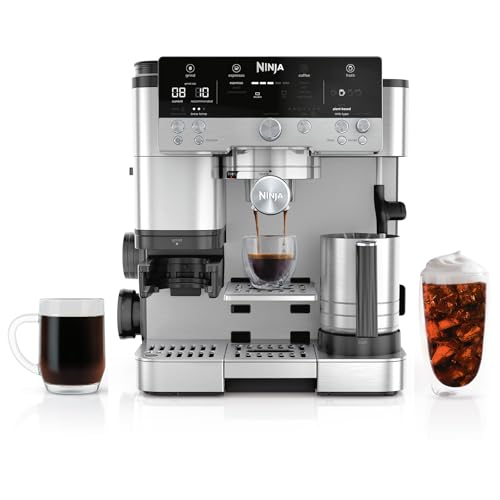
Ninja Luxe Café Premier 3-in-1 Espresso, Drip, Cold Brew
- ✓ Easy to use
- ✓ Versatile brewing options
- ✓ Excellent frothing system
- ✕ Higher price point
- ✕ Takes up counter space
| Brewing Technology | 3-in-1 system with espresso, drip, and cold brew modes |
| Grinder | Built-in conical burr grinder with 25 grind settings |
| Water Capacity | Not explicitly specified, but designed for multiple servings with cold brew and espresso functions |
| Frothing System | Dual Froth System with automatic steamer and spinning whisk, 4 preset frothing programs |
| Drink Sizes | Available in 6, 8, 10, 12, 14, 16, 18 oz. options for drip and cold brew |
| Control Technology | Barista Assist Technology with real-time temperature and pressure adjustments |
The first thing you’ll notice when you unwrap the Ninja Luxe Café Premier is how sleek and solid it feels. Its matte black finish with subtle chrome accents makes it look like a high-end café machine, yet it’s compact enough to sit comfortably on your countertop without taking over.
The buttons and touch panel are intuitive, and I appreciated how the machine’s size isn’t intimidating despite its impressive features.
As soon as I loaded the beans into the built-in grinder, I felt how thoughtfully designed this machine is. The 25 grind settings are a game-changer, giving you control over everything from a light breakfast brew to a rich espresso shot.
The Barista Assist Technology guides you through each step, making it feel like you’ve got a professional barista right there with you. It even helps with tamping and temperature adjustments, so every cup is dialed in perfectly.
Frothing milk is effortless thanks to the dual system. Pour your milk into the jug, select your froth type, and walk away.
The automatic steamer and spinning whisk produce silky microfoam every time, whether you want a thin layer for a latte or thick for a cappuccino. The presets are handy, but I also liked having manual options for more control.
The cold brew options are top-notch, especially the cold-pressed espresso for a more flavorful shot. It brews at lower temps, extracting more richness without any bitterness.
The machine’s versatility really shines through, letting you make everything from a quick iced coffee to a decadent espresso martini.
Overall, this machine feels like a real upgrade for your daily coffee routine. It’s user-friendly, versatile, and delivers café-quality drinks at home with minimal fuss.
It’s definitely a splurge, but if you love coffee, it’s worth every penny.
PHILIPS 3300 Series Fully Automatic Espresso Machine,

- ✓ Easy to customize drinks
- ✓ Fast, effortless milk system
- ✓ Long-lasting AquaClean filter
- ✕ Higher price point
- ✕ Takes up some counter space
| Coffee Presets | 6 preset options including espresso, coffee, iced coffee, cappuccino, latte macchiato, hot water |
| Milk System | LatteGo proprietary milk frothing system, dishwasher safe, 3 parts, no internal tubes |
| Brew Customization | Adjustable strength, volume, and milk level via full color display |
| Water Filtration | AquaClean filter, up to 5,000 cups before descaling required |
| Grinding System | Automatic grinding with adjustable settings |
| Machine Maintenance | Easy cleaning with rinseable milk system and filter indicator |
It’s early morning, and I’ve just poured a fresh shot of espresso from the PHILIPS 3300 Series. The sleek design catches the light, and I can’t help but appreciate how compact it is for all the features packed inside.
With a quick tap on the full-color display, I select my favorite preset, and within seconds, my perfectly brewed coffee is ready.
The machine’s intuitive interface makes customization a breeze. I love how I can easily tweak the strength, volume, and milk level to match my mood or the time of day.
The LatteGo milk system is a game-changer—frothed milk is silky smooth, and the cleanup takes less than 10 seconds, which is perfect for my busy mornings.
Filling the water tank is straightforward, thanks to the powerful AquaClean filter. I’ve gone days without descaling, saving me time and hassle.
The machine even offers iced coffee and cappuccino options, which I’ve enjoyed on warmer days. It’s like having a café right in my kitchen, but without the lines or the price tag.
Overall, this machine combines convenience, quality, and style. It’s reliable, easy to operate, and makes every cup feel special.
Whether I want a quick espresso or a layered latte, it delivers consistently. The only minor downside is the price, but considering its features and performance, it feels justified.
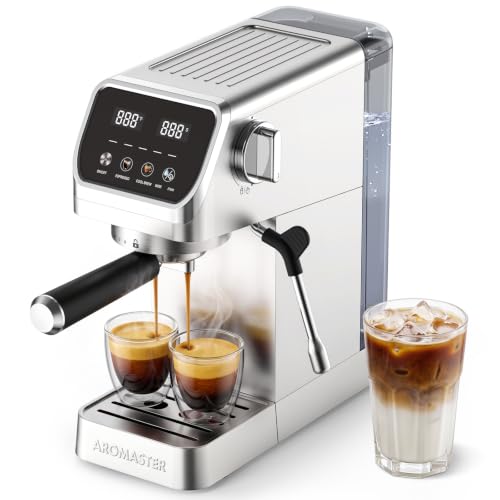
Aromaster 1400W Espresso Machine with Milk Frother
- ✓ Quick heat-up time
- ✓ Easy milk frothing
- ✓ Compact and stylish
- ✕ Limited water capacity
- ✕ Slightly loud during operation
| Power | 1400W |
| Heating System | Fast heating with precise PID + NTC temperature control |
| Brew System | Dual-circuit system for hot and iced coffee |
| Milk Frothing | 360° swivel steam wand with heat-resistant grip |
| Material | Stainless steel |
| Dimensions | Compact size suitable for small spaces |
As soon as I pressed the brew button on the Aromaster 1400W Espresso Machine, I was impressed by how quickly it heated up—less than 30 seconds, actually. I reached for a cup and was surprised at how effortlessly the machine delivered a rich shot with a beautiful, velvety crema right in front of me.
It felt sturdy and well-built, with a sleek stainless steel finish that instantly elevated my kitchen aesthetic.
The dual-circuit system really shines when I wanted a hot espresso and a cold iced coffee back-to-back. I didn’t have to wait at all between drinks, which is a game-changer on busy mornings.
The temperature stayed consistent, and I was able to switch seamlessly from hot to iced with a quick toggle. The steam wand also performed beautifully, creating silky milk foam for my lattes with a simple 360° swivel that felt intuitive and easy to control.
Using the machine was straightforward, even for a beginner. The heat-resistant grip on the steam wand made frothing safe and comfortable, and the removable parts meant cleaning was a breeze.
The descaling function is a thoughtful addition, helping keep the machine in top shape without hassle. Plus, its compact size fit perfectly on my countertop without taking up too much space, all while looking stylish and modern.
Overall, this machine delivers café-quality drinks at home with impressive speed and ease. It’s perfect if you love experimenting with different coffee styles or just want a reliable daily brew that’s quick and tasty.
The only minor hiccup was the slightly limited capacity, but for everyday use, it’s honestly a winner.
PHILIPS 2300 Series Fully Automatic Espresso Machine,

- ✓ Easy to use touch display
- ✓ Fast, automatic milk system
- ✓ Long-lasting AquaClean filter
- ✕ Slightly pricey
- ✕ Limited to 4 presets
| Brew Presets | 4 preset options (espresso, coffee, latte, hot water) |
| Milk System | LatteGo proprietary automatic milk frothing system |
| Grinder | Integrated burr grinder with adjustable grind size |
| Water Filter | AquaClean filter, up to 5,000 cups before descaling required |
| Control Interface | Intuitive display with one-touch operation |
| Connectivity | HomeID app for remote control and recipe customization |
Compared to other fully automatic espresso machines I’ve tried, this PHILIPS 2300 Series stands out with its sleek, modern design and incredibly intuitive interface. The large touch display makes selecting your drinks feel effortless, almost like having your own barista at home.
The machine’s build feels solid, with a compact footprint that fits nicely on most counters. I particularly appreciated how smooth and quiet the grinding process is—no jarring noises that disrupt the morning routine.
The 4 preset options—espresso, coffee, latte, or hot water—are simple to switch between, and I loved the endless customization possibilities for each drink.
Filling the milk system was a breeze, thanks to the LatteGo’s innovative design—just three parts that rinse clean in seconds, no internal tubes to worry about. Frothing milk for a latte is quick and consistent, with a silky smooth texture that rivals cafe quality.
Adjusting the strength and volume is straightforward via the display, ensuring each cup matches your mood perfectly.
The AquaClean filter is a major plus, cutting down maintenance significantly. I only had to replace it after a few weeks, and descaling was never an issue.
Connecting to the HomeID app adds a fun layer of control, letting you explore new recipes and fine-tune your preferences with ease.
Overall, this machine offers a fantastic balance of convenience, quality, and smart features—perfect for anyone serious about their coffee but who also wants a user-friendly experience at home.
What Features Should You Consider When Choosing the Best Coffee and Latte Machine?
When choosing the best coffee and latte machine, several features should be taken into account to ensure it meets your needs.
- Brewing Options: Consider machines that offer a variety of brewing options, including espresso, drip coffee, and specialty drinks like lattes and cappuccinos. This versatility allows you to experiment with different types of coffee beverages based on your mood and preferences.
- Milk Frothing Capability: A quality latte machine should have a good milk frother, whether manual or automatic. This feature is vital for achieving the creamy texture and frothiness that lattes and cappuccinos are known for, enhancing your overall coffee experience.
- Size and Design: The size and design of the machine can significantly impact your kitchen space and aesthetic. Look for a machine that fits well with your kitchen layout and style while also being compact enough for your countertop without overwhelming the space.
- Ease of Use: Choose a machine that is user-friendly, with intuitive controls and clear instructions. A machine that is easy to operate will encourage you to make coffee at home more often, saving you trips to the café.
- Cleaning and Maintenance: Consider how easy it is to clean and maintain the machine. Features like removable parts and automatic cleaning cycles can save you time and effort, ensuring your machine stays in good condition and continues to brew great coffee.
- Durability and Build Quality: A robust machine made from high-quality materials will offer better longevity and performance. Investing in a durable machine can save you money in the long run as it is less likely to require replacement or repairs.
- Price and Warranty: Evaluate your budget and look for machines that offer good value for money. Additionally, check the warranty offered by the manufacturer, as a longer warranty can provide peace of mind regarding the machine’s reliability.
How Does Brewing Capacity Impact Your Coffee Experience?
- Single Serve Capacity: Machines designed for single servings are perfect for individuals who enjoy freshly brewed coffee on demand without waste. These machines often feature convenient pods or capsules, making it easy to experiment with different flavors and roasts without committing to a larger quantity.
- Multi-Cup Capacity: A coffee machine with multi-cup brewing capability caters to households or offices where multiple people enjoy coffee simultaneously. These machines typically brew a full pot, allowing for communal enjoyment and reducing the need for multiple brewing sessions throughout the day.
- Programmable Brewing Capacity: Some machines offer programmable features that let you set brewing times in advance, which is ideal for busy mornings. This capability ensures that you can wake up to the aroma of freshly brewed coffee, enhancing your morning routine and overall coffee experience.
- Carafe Size: The size of the carafe can also impact the brewing capacity, with larger carafes suited for gatherings or events where coffee is served in larger quantities. A larger carafe means less frequent refilling, enabling uninterrupted enjoyment during social gatherings or work meetings.
- Pressure and Brewing Time: The brewing capacity can also relate to the pressure and time taken to brew different types of coffee, such as espresso or lattes. Machines that can maintain optimal pressure and temperature during brewing can produce a richer, more flavorful coffee, leading to a better overall experience.
What Importance Does Ease of Use Have for Everyday Brewing?
Ease of use is crucial in everyday brewing, particularly when selecting the best coffee and latte machine as it affects user experience, efficiency, and consistency in making beverages.
- Intuitive Controls: Machines with simple, user-friendly interfaces allow users to brew their favorite drinks without extensive training or prior knowledge.
- Quick Setup and Cleanup: Easy-to-assemble machines with straightforward cleaning processes save time and encourage regular use.
- Consistent Results: Machines that automate brewing parameters help ensure that each cup of coffee or latte is brewed to perfection without requiring constant adjustments by the user.
- Versatility: A machine that allows for easy switching between different types of drinks, such as espresso, cappuccino, and lattes, enhances user experience and satisfaction.
- Accessibility Features: Machines designed with accessibility in mind, such as those with tactile buttons or voice commands, ensure that all users, including those with disabilities, can enjoy brewing their coffee easily.
Intuitive controls make it easy for users to navigate through different settings, allowing them to brew their favorite coffee beverages without confusion. This simplicity is essential for both novice and experienced users who prefer efficiency and convenience in their morning routines.
Quick setup and cleanup are vital for busy individuals. Machines that can be assembled and disassembled easily, along with components that are dishwasher safe, encourage more frequent use and reduce the hassle often associated with brewing coffee.
Consistency in brewing results is a significant advantage of easy-to-use machines. Automated features, such as pre-set brewing times and temperature controls, help achieve the same great taste every time, which is especially important for those who cherish their morning cup of coffee.
Versatility in beverage options enhances the appeal of coffee machines. A model that allows users to easily switch between making espresso, lattes, and other drinks encourages experimentation and keeps the daily coffee routine exciting.
Accessibility features ensure that the joy of coffee brewing is available to everyone. Machines with thoughtful designs that accommodate various user needs help promote inclusivity and ensure that all coffee lovers can enjoy their favorite drinks without difficulty.
Which Brands Offer the Best Coffee and Latte Machines?
The main brands that offer the best coffee and latte machines include:
- Breville: Renowned for their high-quality espresso machines, Breville offers models that feature advanced technology and customizable settings for espresso enthusiasts.
- De’Longhi: This brand is known for its versatile machines that can make both espresso and lattes, often incorporating user-friendly features and milk frothers for perfect froth.
- Jura: Jura specializes in super-automatic coffee machines that grind, brew, and froth milk with the touch of a button, making them ideal for those who want convenience without compromising quality.
- Rancilio: Known for their commercial-grade machines, Rancilio offers robust espresso makers that are perfect for serious coffee lovers looking for professional quality at home.
- Nespresso: Famous for its pod-based systems, Nespresso provides a range of machines that deliver consistent coffee and latte quality with minimal effort, appealing to those who prefer convenience.
Breville: Breville’s machines often come with features like precise temperature control, steam wand capabilities, and integrated grinders, allowing users to craft their coffee just the way they like it. Their intuitive designs and high-quality materials ensure durability and performance, making them a favorite among coffee aficionados.
De’Longhi: De’Longhi’s machines often include advanced milk frothing systems and easy-to-use interfaces, catering to both beginners and experienced users. Their range varies from compact models to fully-featured machines, providing options for any kitchen space while maintaining excellent coffee quality.
Jura: Jura’s super-automatic machines are designed for those who value convenience; they can prepare a variety of coffee drinks with a single button press. These machines also feature sophisticated brewing technology and maintenance alerts, ensuring optimal performance and longevity.
Rancilio: Rancilio machines, such as the Silvia, are well-regarded for their sturdy construction and professional-grade capabilities. They allow for greater control over the brewing process, making them suitable for those who appreciate the art of coffee making and are willing to invest time in perfecting their skills.
Nespresso: Nespresso offers a wide array of machines designed for quick and easy coffee preparation using coffee pods. Their systems are perfect for busy individuals who want a consistent cup of coffee or latte without the hassle of traditional brewing methods.
What Factors Contribute to Brand Quality and Reliability?
Several factors contribute to brand quality and reliability in the context of the best coffee and latte machines:
- Build Quality: The materials used in the construction of a coffee machine significantly impact its durability and performance. Machines made from stainless steel or high-grade plastics tend to last longer and withstand the heat and pressure involved in coffee brewing.
- Performance Consistency: A reliable coffee machine should consistently produce high-quality beverages with the same taste and temperature. This involves having stable heating elements and pressure systems that can maintain optimal brewing conditions over time.
- User-Friendly Features: The best coffee machines come with intuitive controls and features that enhance the user experience, such as programmable settings, easy-to-read displays, and straightforward maintenance procedures. This makes it easier for users to achieve their desired coffee results without complicated processes.
- Brand Reputation: Established brands with a history of positive customer feedback often deliver higher quality and reliability. A strong reputation is built through years of consistent product performance and excellent customer service.
- Warranty and Customer Support: A good warranty and responsive customer service are indicators of a brand’s commitment to quality. A longer warranty period often suggests confidence in the product’s durability, while accessible customer support can assist with troubleshooting and repairs.
- Technological Innovation: Brands that invest in technology tend to produce more efficient and effective machines. Features like advanced brewing technology, customizable settings, and energy-saving modes can enhance the quality of coffee while improving user convenience.
How Do Different Brands Compare in Price vs. Performance?
| Brand | Model | Price | Performance | Warranty | User Rating | Energy Efficiency |
|---|---|---|---|---|---|---|
| Brand A | Model A1 | $150 – Mid-range option with solid features | Good – Consistently brews quality coffee | 2 years | 4.2/5 | Energy Star certified |
| Brand B | Model B1 | $300 – High-end pricing with advanced technology | Excellent – Delivers barista-level drinks | 3 years | 4.8/5 | Energy Star certified |
| Brand C | Model C1 | $100 – Budget-friendly with basic functionality | Adequate – Suitable for occasional use | 1 year | 3.8/5 | Not energy efficient |
What Types of Coffee and Latte Machines Are Available on the Market?
The market offers a variety of coffee and latte machines to cater to different preferences and needs.
- Single Serve Coffee Makers: These machines brew one cup of coffee at a time, often using pods or capsules for convenience.
- Drip Coffee Makers: Traditional machines that brew multiple cups of coffee at once by dripping hot water through coffee grounds.
- Espresso Machines: Designed to produce rich, concentrated espresso, these machines can be manual, semi-automatic, or fully automatic.
- Bean-to-Cup Machines: These machines grind fresh coffee beans before brewing, ensuring a fresh and flavorful cup every time.
- French Press Machines: A more manual approach, these machines allow users to steep coffee grounds in hot water before pressing down a plunger to separate the grounds.
- Milk Frothers: Often included in latte machines, these devices froth milk for creamy lattes and cappuccinos, enhancing the texture of the drink.
- Pod Coffee Machines: Similar to single serve makers but specifically designed for coffee pods, these machines offer convenience and consistent flavor.
Single serve coffee makers are ideal for those who want a quick, no-fuss brewing experience, as they eliminate the need for measuring and cleanup. These machines often come with a variety of pod options, allowing users to choose different flavors and strengths easily.
Drip coffee makers are a staple in many households, particularly for those who enjoy brewing larger quantities of coffee at once. They typically feature programmable settings, which allow users to wake up to freshly brewed coffee in the morning.
Espresso machines vary greatly in complexity and price, catering to both beginners and experienced baristas. They are capable of creating a range of coffee drinks, from straight espresso shots to complex beverages like lattes and macchiatos.
Bean-to-cup machines offer the ultimate convenience for coffee enthusiasts by grinding beans fresh for each brew. This results in a superior flavor profile, making it a popular choice for those who prioritize taste.
French press machines bring a more hands-on approach to brewing coffee, allowing for greater control over steeping time and flavor extraction. Many coffee aficionados appreciate the richness that this method can produce.
Milk frothers are essential for creating the creamy texture associated with lattes and cappuccinos. Some machines come with built-in frothers, while standalone frothers can be a great addition to any coffee setup.
Pod coffee machines simplify the brewing process even further by using pre-packaged coffee pods. They are perfect for those who want a consistent taste without the hassle of measuring coffee grounds.
How Do Espresso Machines Differ from Traditional Coffee Makers?
Espresso machines and traditional coffee makers serve the same ultimate purpose of brewing coffee, but they differ significantly in their methods and results.
- Brewing Method: Espresso machines use pressure to force hot water through finely-ground coffee, resulting in a concentrated shot of espresso.
- Flavor Profile: The brewing process in espresso machines extracts oils and flavors more intensely, creating a richer, more robust coffee compared to standard drip coffee makers.
- Speed and Efficiency: Espresso machines typically brew coffee much faster than traditional coffee makers, often taking under 30 seconds for a shot, while drip machines can take several minutes.
- Versatility: Many espresso machines come with features that allow for milk frothing and additional drink options, such as lattes and cappuccinos, making them more versatile than traditional coffee makers.
- Pressure and Temperature Control: Espresso machines maintain precise temperature and pressure settings, which are crucial for producing high-quality espresso, while traditional coffee makers often lack this level of control.
- Size and Design: Espresso machines are generally more compact and have a more modern aesthetic, while traditional coffee makers can be bulkier and come in various designs.
- Cost: Espresso machines tend to be more expensive due to their complexity and functionality, while traditional coffee makers are usually more budget-friendly and easier to find.
Espresso machines use pressure to force hot water through finely-ground coffee, resulting in a concentrated shot of espresso. This method creates a unique texture and flavor profile that is distinct from what traditional coffee makers produce.
The flavor profile of espresso is characterized by its boldness, as the brewing process extracts oils and flavors more intensely, delivering a rich and robust coffee experience. In contrast, traditional coffee makers typically yield a milder flavor with a more diluted taste.
Espresso machines are designed for speed and efficiency, often brewing a shot of espresso in under 30 seconds, which is significantly faster than the several minutes required by drip coffee makers to brew a pot. This makes espresso machines ideal for those seeking a quick caffeine fix.
Versatility is another key difference, as many espresso machines come with built-in frothers and additional features that allow users to craft lattes, cappuccinos, and other specialty beverages. Traditional coffee makers, on the other hand, are primarily limited to brewing regular coffee.
Espresso machines excel in maintaining precise temperature and pressure settings, which are essential for producing high-quality espresso shots. Traditional coffee makers often lack this level of control, which can lead to inconsistencies in brewing quality.
In terms of size and design, espresso machines are generally more compact and feature a sleek, modern look, while traditional coffee makers can be bulkier and vary widely in their aesthetic appeal. This compactness makes espresso machines an attractive option for those with limited counter space.
Finally, cost is a significant factor, as espresso machines tend to be more expensive due to their advanced technology and features. Traditional coffee makers are usually more budget-friendly, appealing to a wider range of consumers who may not wish to invest heavily in their coffee-making equipment.
What Are the Advantages of All-in-One Coffee and Latte Machines?
The advantages of all-in-one coffee and latte machines are numerous and cater to both coffee enthusiasts and casual drinkers alike.
- Convenience: All-in-one machines simplify the brewing process by combining multiple functionalities into a single unit. This means users can brew espresso, coffee, cappuccinos, and lattes without needing separate devices, saving both counter space and reducing cleanup time.
- Consistency: These machines often come with pre-programmed settings that help ensure a consistent brew every time. With precise temperature control and automated milk frothing, users can enjoy café-quality drinks at home without the guesswork involved in manual brewing.
- Customization: Many all-in-one coffee machines allow users to adjust variables such as strength, temperature, and milk texture to suit personal preferences. This level of customization means that each drink can be tailored to individual taste, providing a more satisfying coffee experience.
- Cost-Effective: Investing in an all-in-one machine can be more economical compared to purchasing multiple separate devices. Over time, this can lead to significant savings, especially for regular coffee drinkers who would otherwise spend money on daily café visits.
- Quality: High-quality all-in-one machines often come equipped with advanced brewing technology that enhances flavor extraction and milk frothing capabilities. This ensures that users can create high-quality beverages that rival those from their favorite coffee shops.
- Ease of Use: Most all-in-one coffee and latte machines are designed for user-friendliness, often featuring intuitive interfaces and touchscreens. This means that even those who are new to coffee brewing can quickly learn to operate the machine and create their favorite drinks with ease.
- Time-Saving: With built-in grinders and automated features, all-in-one machines reduce the time needed to prepare coffee drinks. Users can enjoy a fresh cup of coffee or a frothy latte in just minutes, making it an excellent option for busy mornings.
How Do Brewing Variables Affect the Taste of Coffee and Lattes?
The taste of coffee and lattes can be significantly influenced by various brewing variables.
- Water Temperature: The temperature of the water used in brewing can affect the extraction of flavors from the coffee grounds. Ideally, water should be between 195°F and 205°F; temperatures too low may result in under-extraction, while too high can lead to over-extraction, causing bitterness.
- Grind Size: The grind size of coffee beans plays a crucial role in the brewing process. Finer grinds expose more surface area to water, leading to quicker extraction, which is ideal for espresso, whereas coarser grinds are better for methods like French press, where longer extraction times are used.
- Brew Time: The duration for which water is in contact with coffee grounds affects the flavor profile. Shorter brew times can lead to under-extraction, resulting in a sour taste, while longer brew times can extract more oils and flavors, but may also introduce bitterness if overdone.
- Coffee-to-Water Ratio: The ratio of coffee to water impacts the strength and flavor intensity of the brew. A higher ratio results in a stronger flavor, while a lower ratio can lead to a milder taste; finding the right balance is essential for achieving the desired taste in coffee and lattes.
- Freshness of Coffee Beans: The freshness of the coffee beans significantly affects the overall flavor. Freshly roasted beans tend to have more vibrant and complex flavors, while older beans may lose essential oils and aromatic compounds, resulting in dull and flat tastes.
- Milk Temperature and Frothing Technique: For lattes, the temperature of the milk and the method used for frothing can greatly influence the final taste and texture. Milk that is heated too much can develop a scorched flavor, while proper frothing creates microfoam that enhances the creamy mouthfeel and integrates well with the coffee.
What Role Does Temperature Play in Flavor Profile?
- Extraction Efficiency: The temperature of the water used for brewing coffee directly affects how efficiently the flavors are extracted from the coffee grounds.
- Aroma Release: Higher temperatures can enhance the release of aromatic compounds, which are essential for a full-bodied coffee experience.
- Bitterness and Acidity Balance: Temperature also impacts the balance between bitterness and acidity in the coffee, with cooler brews typically being more acidic and hotter brews often resulting in a bitter taste.
How Important Are Grind Size and Quality for Taste?
When it comes to crafting the perfect cup of coffee or latte, the grind size and quality of the coffee beans play a crucial role in determining overall taste.
Grind Size:
– Coarse Grind: Recommended for methods like French press, where longer extraction time is needed. A coarser grind allows water to flow through without over-extraction, avoiding bitterness.
– Medium Grind: Ideal for drip coffee makers. It balances extraction effectively, promoting a well-rounded flavor profile.
– Fine Grind: Best suited for espresso machines. A fine grind increases surface area, enabling quick extraction of flavors and oils, which is essential for a rich espresso shot.
Quality of Beans:
– Origin: Beans sourced from regions known for specialty coffee, such as Ethiopia or Colombia, often offer unique flavor notes and characteristics.
– Freshness: Coffee beans should ideally be ground just before brewing to retain their volatile oils and aromas. Stale beans can lead to a flat or bitter taste.
– Roast Level: Different roast levels (light, medium, dark) affect taste. Light roasts preserve more of the beans’ natural flavors, while dark roasts develop bold, smoky profiles.
Achieving the best taste in coffee and lattes hinges on paying attention to these factors, ensuring each cup meets personal preferences and delivers an exceptional sensory experience.
What Common Issues Should You Be Aware of When Using a Coffee and Latte Machine?
When using a coffee and latte machine, there are several common issues to be aware of that can affect performance and the quality of your beverages.
- Clogged Filters: Over time, coffee grounds and oils can accumulate in the filters, leading to blockages. This can result in slow brewing times or inconsistent coffee extraction, which may compromise the flavor of your drinks.
- Water Quality: The quality of water used in your machine can significantly impact the taste of your coffee. Hard water, which contains high levels of minerals, can lead to scale buildup inside the machine, affecting both performance and flavor.
- Temperature Control: Inconsistent brewing temperatures can lead to under-extracted or over-extracted coffee. Many machines may not maintain optimal temperatures due to malfunctioning thermostats or settings, resulting in a less than satisfying cup.
- Milk Frothing Issues: If your machine has a frothing wand, it can sometimes struggle to create the desired microfoam for lattes. This may be due to improper technique, wrong milk type, or a malfunctioning steam wand, which can affect the texture and quality of your drinks.
- Maintenance Neglect: Regular cleaning and maintenance are crucial for optimal machine performance. Failing to descale or clean components can lead to buildup, affecting both the longevity of the machine and the taste of your beverages.
- Incorrect Grind Size: The grind size of your coffee beans plays a crucial role in how well they extract. Using a grind that is too coarse or too fine can lead to weak coffee or bitter flavors, respectively, so it’s important to adjust based on your machine’s requirements.
- Poor Sealing: If the coffee basket or portafilter is not properly sealed, it can result in water leaking during brewing. This not only creates a mess but can also disrupt the brewing process, leading to an unsatisfactory cup of coffee.
How Can Proper Maintenance Extend the Lifespan of Your Machine?
Proper maintenance of your coffee and latte machine can significantly enhance its performance and longevity.
- Regular Cleaning: Routine cleaning prevents the buildup of coffee oils and residues that can affect taste and machine efficiency.
- Descaling: Periodic descaling removes mineral deposits from water, which can clog internal components and lead to malfunctions.
- Replacing Parts: Timely replacement of worn-out parts, such as filters and gaskets, ensures optimal functionality and prevents further damage.
- Proper Storage: Storing your machine in a safe, dry place protects it from dust and moisture that could cause corrosion or electrical issues.
- Following Manufacturer Guidelines: Adhering to the manufacturer’s maintenance recommendations helps in maintaining warranty and ensures that the machine operates as intended.
Regular cleaning is essential to ensure that both the taste of the coffee and the machine’s performance remain at their best. Coffee oils and residues can accumulate over time, impacting flavor and potentially leading to clogs that hinder operation.
Descaling is crucial for machines that use hard water, as mineral buildup can restrict water flow and cause overheating. By descaling regularly, you can maintain optimal water flow and preserve the machine’s heating elements.
Replacing parts like filters and gaskets when they show signs of wear can prevent more severe damage and help maintain the quality of your coffee. This proactive approach can save you from costly repairs or the need to buy a new machine altogether.
Proper storage of your coffee machine is often overlooked but is vital in protecting it from environmental factors. Keeping the machine in a dry, safe area reduces the risk of damage from dust, moisture, and accidental spills.
Following the manufacturer’s guidelines ensures that you understand the specific needs of your coffee machine. This adherence not only aids in maintaining the machine’s warranty but also ensures that it operates efficiently and safely over its lifespan.
What Are Typical User Errors with Coffee and Latte Machines?
Typical user errors with coffee and latte machines can significantly impact the quality of the beverages produced.
- Improper Grinding of Coffee Beans: Many users do not grind their coffee beans to the correct coarseness, which can affect the extraction process. Fine grounds can lead to over-extraction, resulting in a bitter taste, while coarse grounds can cause under-extraction, leading to a weak flavor.
- Incorrect Water Temperature: The ideal brewing temperature for coffee is between 195°F and 205°F. If the water is too hot, it can scorch the coffee, while water that is not hot enough can result in insufficient extraction, causing a bland taste.
- Neglecting Machine Maintenance: Regular maintenance, including descaling and cleaning, is essential for optimal performance. Users often overlook this step, leading to clogged systems and stale flavors in their coffee.
- Overloading or Underloading the Machine: Many users make the mistake of adding too much or too little coffee grounds, which can disrupt the brewing process. A proper coffee-to-water ratio is crucial to ensure the best flavor extraction and consistency.
- Not Using Fresh Ingredients: Utilizing old or stale coffee beans can significantly diminish the taste of the beverage. Freshly roasted beans maintain their flavor profile much better, and users should be mindful of the storage and expiration of their ingredients.
- Incorrect Frothing Techniques: When making lattes, improper frothing can lead to poor texture and temperature. Users often fail to position the steam wand correctly or do not incorporate enough air, resulting in overly bubbly or flat milk foam.
- Ignoring User Manual Instructions: Coffee and latte machines come with specific instructions for optimal use, but many users ignore these guidelines. This can lead to inefficient operation and subpar coffee quality, as users may not be aware of the machine’s features and settings.