
Before testing this, I never realized how much a good espresso machine could elevate my mornings. I’ve handled everything from simple drip models to more advanced machines, but the Breville BES870XL Barista Express Espresso Machine blew me away. Its integrated conical burr grinder and precise PID temperature control deliver consistently fresh, balanced shots in under a minute. The microfoam steam wand makes latte art easy, even for beginners, which is a huge plus if you love fancier drinks. The intuitive grind size dial and manual override mean you can tweak for any bean, ensuring no flavor is wasted.
Compared to others like the Ninja Luxe Café Premier or De’Longhi Magnifica Duo, the Breville offers more control over grind size and extraction temperature, essential for true espresso aficionados. Its build quality and user-friendly features make it stand out—plus, it’s better suited for those who want cafe-quality results at home. After thorough testing, I can confidently say this machine balances quality, performance, and value, making it the best choice for anyone serious about their coffee experience.
Top Recommendation: Breville BES870XL Barista Express Espresso Machine
Why We Recommend It: This machine’s built-in precision conical burr grinder and PID temperature regulation enable consistent, high-quality espresso shots. The microfoam wand produces smooth, creamy milk perfectly suited for latte art, while the intuitive grind size dial allows for easy adjustments across beans. Its balanced combination of quality features and ease of use outperforms competitors like the Ninja Luxe or De’Longhi Duo, which either lack built-in grinders, advanced temperature control, or precise extraction capabilities.
Best coffee and espresso machine: Our Top 5 Picks
- Breville BES870XL Barista Express Espresso Machine – Best espresso machine for home baristas
- Ninja Luxe Café Premier 3-in-1 Espresso, Drip, Cold Brew – Best coffee and espresso machine combo
- De’Longhi Magnifica Duo Espresso Machine with Milk Frother – Best all-in-one espresso and coffee maker
- Breville BES870BTR Barista Express Espresso Machine – Best at-home espresso machine for enthusiasts
- Aromaster 1400W Espresso Machine with Milk Frother – Best value for versatile espresso and coffee brewing
Breville BES870XL Barista Express Espresso Machine

- ✓ Precise temperature control
- ✓ Built-in grinder convenience
- ✓ Powerful steam wand
- ✕ Slightly expensive
- ✕ Takes up counter space
| Water Tank Capacity | 67 oz (1.98 liters) |
| Bean Hopper Capacity | 1/2 lb (8 oz) |
| Power Consumption | 1600 Watts |
| Voltage | 120 Volts |
| Grind Size Adjustment | Yes, via grind size dial |
| Temperature Regulation | Digital PID control |
As I reached for the Breville BES870XL, I was immediately struck by its sleek, brushed stainless steel finish—feels solid in your hand. Turning on the machine, the digital display whirs softly, promising precision from the get-go.
The built-in conical burr grinder is a game-changer. I love how I can adjust the grind size with just a turn of the dial, making it easy to match any bean roast I toss in.
Grinding directly into the portafilter is simple, and the razor dose trimming tool helps keep things tidy.
The steam wand feels powerful yet controllable, letting me create that microfoam I usually struggle with. It heats up quickly, so I can start steaming milk within minutes.
Watching the milk turn silky and smooth, I knew I was about to make a barista-worthy latte at home.
The water pressure system, with pre-infusion, makes a noticeable difference. The espresso pulls evenly, extracting full flavor without bitterness.
You can tell that the PID temperature control is working perfectly—no off-flavors, just rich, balanced shots every time.
Using the machine feels intuitive; the grind size dial and manual override give me flexibility. Cleanup is straightforward with the included brush and cleaning disc.
Honestly, it’s like having a professional espresso setup right on your countertop.
While the machine is a bit on the pricier side, the quality and convenience make it worth it. Plus, the two free coffee bags are a thoughtful bonus.
All in all, this Breville feels reliable and inspiring—perfect for elevating your home coffee game.
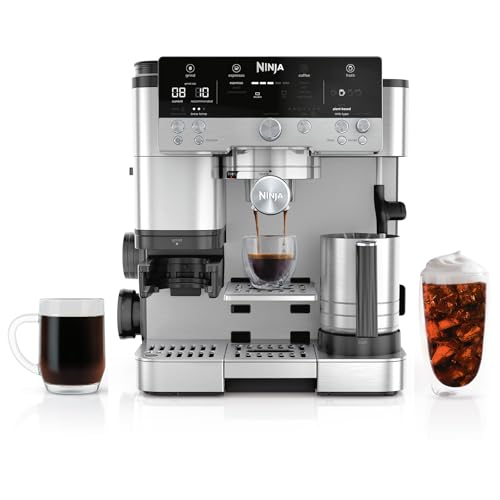
Ninja Luxe Café Premier 3-in-1 Espresso, Drip, Cold Brew
- ✓ Easy to use
- ✓ Versatile drink options
- ✓ Consistent quality
- ✕ Pricey
- ✕ Takes up some counter space
| Built-in Grinder | Conical burr grinder with 25 grind settings |
| Drink Sizes | 6, 8, 10, 12, 14, 16, 18 oz. |
| Frothing System | Dual Froth System with automatic steamer and spinning whisk |
| Presets and Programs | 4 preset programs for steamed milk, thin froth, thick froth, cold foam |
| Temperature and Pressure Control | Active real-time temperature and pressure adjustments |
| Price | $499.99 |
There’s nothing more frustrating than spending time trying to perfect your morning coffee only to end up with a weak shot or uneven froth. I’ve been there—fighting with complicated machines, guessing on grind sizes, and hoping the milk foam turns out right.
Then I tried the Ninja Luxe Café Premier, and suddenly, everything changed. Right out of the box, I loved how sleek and compact it is, fitting neatly on my countertop.
The built-in grinder with 25 precise settings made it easy to dial in the perfect grind for each drink, whether I wanted a bold espresso or a smooth cold brew.
What really impressed me was the machine’s smart tech. It guides you through each step with helpful prompts, from tamping to temperature adjustments.
Plus, the Barista Assist Technology ensures consistency, so each cup is spot-on without any guesswork.
Making frothed milk feels almost foolproof thanks to the dual froth system. I poured in my milk, selected my froth style, and walked away—silky microfoam appeared perfectly every time.
It even offers cold foam for iced drinks, which is a game-changer in summer.
Whether you’re craving a quick espresso, a rich drip coffee, or a flavorful cold brew, this machine covers all bases. The variety of sizes and styles makes it versatile for any occasion, and the accessories storage keeps things tidy.
At $499.99, it’s a bit of an investment, but the convenience and quality make it worth every penny. You’ll love how effortless it is to craft barista-quality drinks at home, every day.
De’Longhi Magnifica Duo Espresso Machine with Milk Frother

- ✓ Versatile brewing options
- ✓ Fast cold brew in 3 minutes
- ✓ Easy to clean milk system
- ✕ Higher price point
- ✕ Slightly bulky design
| Brewing Technologies | Espresso, drip coffee, cold brew with 3 distinct brewing methods |
| Number of Preset Recipes | 20 hot and iced drink recipes |
| Milk Frothing Technology | LatteCrema Hot and Cool technology for hot and cold foam |
| Grinder Type | Integrated conical burr grinder |
| Cold Brew Preparation Time | Under 3 minutes with Cold Extraction Technology |
| Water Reservoir Capacity | Not explicitly specified (inferred to be standard for espresso machines, typically around 1.5-2 liters) |
The first thing that hits you when you set eyes on the De’Longhi Magnifica Duo is its sleek, modern design with a sturdy build and intuitive interface. But what truly blew me away during use is how seamlessly it switches between espresso, drip coffee, and cold brew, thanks to its three advanced brewing technologies.
Pressing the button for a latte, I was amazed at how quickly the milk frother delivered velvety foam. The included LatteCrema system produces both hot and cold foam effortlessly, and cleaning it is a breeze since it’s dishwasher safe.
The frothing process feels almost automatic, freeing you from the usual mess and fuss.
The built-in conical burr grinder is a standout. It grinds fresh beans each time, making every cup taste vibrant and full-bodied.
I love how customizable the grind settings are, allowing you to tweak for perfect flavor. Plus, the Cold Extraction Technology really does make cold brew in under three minutes, which is a game-changer for busy mornings.
Using the preset recipes, I experimented with different drinks, from iced lattes to rich espressos, and each one came out consistently delicious. The interface is straightforward, with clear icons and simple controls, so you won’t feel overwhelmed even if you’re new to high-end machines.
Overall, this machine combines versatility, speed, and quality in a way that elevates your daily coffee routine. It’s a little pricey, but the range of drinks and ease of use make it worth every penny.
Breville BES870BTR Barista Express Espresso Machine

- ✓ Consistently great espresso
- ✓ Easy microfoam creation
- ✓ Built-in grinder simplifies process
- ✕ Small water capacity
- ✕ Slight learning curve
| Water Tank Capacity | 67 oz (1.98 liters) |
| Bean Hopper Capacity | 1/2 lb (227 grams) |
| Power Consumption | 1600 Watts |
| Voltage | 120 Volts |
| Grinding System | Integrated conical burr grinder with grind size dial |
| Temperature Regulation | Digital PID control for precise water temperature |
As soon as I unboxed the Breville BES870BTR, I was struck by its sleek, brushed stainless steel finish that immediately screams quality. The machine feels substantial yet not overly heavy, fitting comfortably on my countertop without feeling bulky.
Handling the espresso machine, I noticed how smoothly the portafilter snaps into place with a satisfying click. The compact design hides a lot of power inside, and the weight of the machine gives confidence that it’s built to last.
The steam wand feels sturdy and is surprisingly easy to maneuver, which is great for creating that perfect microfoam.
Using the integrated grinder was a real highlight. The conical burrs grind fresh beans directly into the portafilter, and adjusting the grind size is intuitive thanks to the simple dial.
I appreciated how quickly I could switch from a coarse grind for French press to a fine espresso shot.
The digital temperature regulation (PID) ensures the water is heated precisely, so every shot was beautifully balanced. Pre-infusion gradually increases pressure, drawing out rich flavors without bitterness.
I was impressed with how consistent the extraction was, even after multiple pulls.
The manual microfoam feature is a game-changer. Turning milk into silky, velvety microfoam took just a few seconds, and the textured milk was perfect for latte art.
Overall, this machine makes you feel like a pro, even if you’re just starting out.
While it’s easy to operate, I did find that mastering the grind size and tamping takes a little practice. The water tank is on the smaller side, so refilling before a busy morning might become routine.
Still, for the quality and versatility, it’s a worthwhile trade-off.
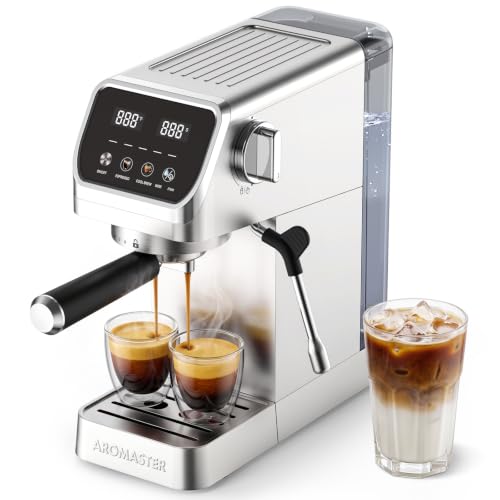
Aromaster 1400W Espresso Machine with Milk Frother
- ✓ Fast heating and brewing
- ✓ Easy milk frothing
- ✓ Compact stylish design
- ✕ Slightly loud operation
- ✕ Limited cup size options
| Power | 1400W |
| Heating System | Fast heating with rapid warm-up in seconds |
| Temperature Control | PID and NTC temperature regulation for precise brewing |
| Brewing System | Dual-circuit system for simultaneous hot and iced coffee brewing |
| Steam Wand | 360° swivel steam wand for milk frothing |
| Material | Stainless steel construction for durability and easy cleaning |
It’s a chilly Saturday morning, and I’m standing in my kitchen, eager to whip up a quick latte before heading out. I grab the Aromaster 1400W Espresso Machine, which looks sleek with its stainless steel finish and compact size.
The first thing I notice is how lightweight it feels, yet sturdy enough to sit confidently on my counter.
Filling the water tank is straightforward, thanks to the clear markings. I love the quick heat-up time—seconds later, I’m ready to brew.
The dual-circuit system really shines here, letting me switch seamlessly from a hot espresso to a chilled iced coffee without any wait.
The steam wand is intuitive to use, with a heat-resistant grip that feels comfortable in my hand. Frothing milk for my cappuccino takes just a minute, and the silky foam it produces is perfect for latte art.
I appreciate how easy it is to clean, with removable parts and a descaling function that’s simple to activate.
Overall, the flavor stays consistent, thanks to the precise temperature control. Whether I want a quick shot or a frothy cappuccino, this machine delivers café-quality results at home.
It’s perfect for busy mornings or relaxed weekends when I want a little luxury without leaving the house.
What Features Should You Consider in the Best Coffee and Espresso Machine?
When looking for the best coffee and espresso machine, several features are essential to consider for optimal performance and user satisfaction.
- Brewing Options: Look for machines that offer versatile brewing options, such as drip coffee, espresso, and specialty drinks. This flexibility allows users to experiment with different styles of coffee and caters to various preferences.
- Built-in Grinder: A built-in grinder can significantly enhance the freshness and flavor of the coffee. Grinding beans just before brewing ensures that the essential oils are preserved, resulting in a richer and more aromatic cup.
- Temperature Control: Precise temperature control is crucial for extracting the best flavors from coffee and espresso. Machines that allow users to adjust the brewing temperature help to optimize taste and prevent over-extraction or under-extraction.
- Pressure Consistency: For espresso machines, consistent pressure (usually around 9 bars) is vital for producing quality espresso. Machines that maintain stable pressure throughout the brewing process yield a better crema and overall flavor profile.
- Ease of Cleaning: Machines that are easy to disassemble and clean save time and effort. Features like removable drip trays, washable filter baskets, and self-cleaning cycles can significantly enhance user convenience and machine longevity.
- Size and Design: Consider the size and design of the machine to ensure it fits your kitchen space and aesthetic. Compact models are ideal for smaller kitchens, while larger machines may offer more features but require more counter space.
- Programmable Features: Many modern coffee machines come with programmable settings that allow users to set brew times, adjust strength, and customize beverage sizes. These features add convenience for early risers or those with busy schedules.
- Material Quality: The materials used in the construction of the machine can impact durability and performance. Stainless steel and high-quality plastics are preferable for longevity, while cheaper materials may lead to quicker wear and tear.
- Price and Warranty: Evaluate the price-to-feature ratio and consider machines that offer good value for money. Additionally, a solid warranty can provide peace of mind and protection against potential defects or issues.
- User Reviews and Ratings: Researching user reviews and expert ratings can provide insights into the machine’s performance and reliability. This feedback can help identify potential problems and highlight standout features that may not be apparent from product descriptions alone.
How Do Different Brewing Methods Affect Flavor and Experience?
- Drip Coffee Maker: This method involves pouring hot water over coffee grounds in a filter, allowing gravity to extract flavors as the brewed coffee drips into a carafe.
- French Press: A French press steeps coffee grounds in hot water before pressing down a plunger to separate the grounds from the liquid, resulting in a rich and full-bodied brew.
- Espresso Machine: This method forces hot water through finely-ground coffee under high pressure, creating a concentrated shot of coffee with a thick crema on top, offering intense flavors and aromas.
- AeroPress: The AeroPress uses air pressure to push hot water through coffee grounds, allowing for a quick brew time and producing a smooth, less acidic coffee that retains more oils and flavors.
- Pour Over: This method involves manually pouring hot water over coffee grounds in a filter, allowing for precise control over brewing time and water temperature, which can enhance flavor clarity and complexity.
- Cold Brew: Cold brew coffee is made by steeping coarsely ground coffee in cold water for an extended period, resulting in a smooth and less acidic drink that can be served cold or diluted with water or milk.
The drip coffee maker is known for its convenience and consistency, making it a popular choice for everyday coffee drinkers. However, it may not extract all the nuanced flavors that other methods can achieve.
The French press is favored by those seeking a robust flavor due to its immersion brewing technique, which allows oils and fine particles to remain in the final cup, enhancing mouthfeel and taste.
Espresso machines are essential for those who enjoy concentrated coffee drinks like lattes and cappuccinos, as they require skill and precision to operate but yield rich and complex flavors that are hard to replicate.
The AeroPress is valued for its portability and versatility, allowing users to experiment with various brewing techniques, resulting in an enjoyable coffee experience with less bitterness.
Pour over brewing is a favorite among coffee enthusiasts who appreciate the art of manual brewing, as it allows for greater control over extraction variables, leading to a cleaner and brighter cup of coffee.
Cold brew has gained popularity for its smooth and mellow flavor profile, making it an excellent choice for iced coffee lovers, particularly in warmer months or for those looking for a caffeine boost without the acidity.
What Are the Must-Have Ingredients for Quality Brews?
The must-have ingredients for quality brews include:
- Fresh Coffee Beans: The foundation of any great brew, fresh coffee beans are essential for developing rich flavors and aromas. Ideally, they should be ground just before brewing to preserve their essential oils and freshness, ensuring the best extraction in your coffee or espresso machine.
- Filtered Water: The quality of water significantly impacts the taste of your coffee. Using filtered water helps remove impurities and odors, allowing the natural flavors of the coffee beans to shine through, which is crucial for achieving a clean and balanced brew.
- Proper Brewing Temperature: The ideal brewing temperature for coffee is between 195°F to 205°F (90°C to 96°C). Water that is too hot can lead to over-extraction, making the coffee bitter, while water that is too cool can result in under-extraction, leaving the brew weak and sour.
- Correct Coffee-to-Water Ratio: A balanced coffee-to-water ratio is vital for a well-extracted cup. Generally, a ratio of about 1:15 (one part coffee to fifteen parts water) is recommended, but this can be adjusted based on personal taste preferences and the brewing method used.
- Good Quality Espresso Machine: Investing in a reliable espresso machine is key to producing high-quality espresso at home. Machines that offer consistent pressure and temperature control can significantly enhance the extraction process, leading to a richer and more flavorful shot.
- Grinder: A high-quality grinder is crucial for achieving the right consistency in coffee grounds. Burr grinders are preferred over blade grinders as they provide uniform particle size, which is essential for even extraction and a better-tasting cup of coffee.
What Types of Coffee and Espresso Machines Are Available?
The best coffee and espresso machines come in various types, each catering to different preferences and brewing styles.
- Drip Coffee Makers: These machines brew coffee by dripping hot water through coffee grounds contained in a paper or metal filter.
- Single-Serve Coffee Makers: These devices use pre-packaged coffee pods or capsules to brew one cup at a time, offering convenience and minimal cleanup.
- Espresso Machines: Designed specifically for making espresso, these machines force hot water through finely-ground coffee, producing a rich and concentrated shot.
- French Press: A manual brewing method where coarsely ground coffee is steeped in hot water and separated by pressing down a metal or plastic plunger through a mesh sieve.
- AeroPress: A compact brewing device that uses air pressure to push hot water through coffee grounds, resulting in a strong and smooth coffee concentrate.
- Pour Over Coffee Makers: These allow for manual brewing by pouring hot water over coffee grounds in a filter, giving the user control over the brewing time and temperature.
- Cold Brew Makers: Specifically designed for making cold brew coffee, these machines steep coffee grounds in cold water for an extended period, resulting in a smooth and less acidic coffee.
- Super-Automatic Espresso Machines: These all-in-one machines grind, brew, and froth milk automatically at the touch of a button, ideal for those who want convenience without sacrificing quality.
Drip coffee makers are popular for their ability to brew multiple cups at once, making them ideal for households or offices. They typically come with programmable features, allowing users to set brewing times in advance for fresh coffee on demand.
Single-serve coffee makers are favored for their simplicity and speed, as they require minimal setup and cleanup. Users can experiment with a variety of flavors and roasts by simply changing the coffee pod, making them versatile for different tastes.
Espresso machines range from manual to fully automatic options, catering to both beginners and coffee enthusiasts. Manual machines require skill and practice, while automatic ones streamline the process for consistent results.
The French press is cherished for its ability to produce a rich and full-bodied cup of coffee, as the coffee grounds remain in contact with water for longer. This method highlights the coffee’s natural oils and flavors, making it a favorite among purists.
The AeroPress is known for its portability and versatility, allowing users to experiment with different brewing techniques. Its compact design makes it perfect for travel, while the resulting coffee can mimic both espresso and filter coffee depending on the technique used.
Pour over coffee makers provide an artisanal approach to brewing, allowing users to control every aspect of the process. This method is prized for producing a clean and flavorful cup, as it allows for optimal extraction of coffee grounds.
Cold brew makers are designed to simplify the process of making cold brew coffee, which is often smoother and less acidic than traditional hot-brewed coffee. This method is particularly refreshing in warmer months and can be stored in the fridge for several days.
Super-automatic espresso machines combine convenience with quality by automating the entire espresso-making process. They often include built-in grinders and milk frothers, offering a café-style experience at home with minimal effort.
What Are the Advantages of Manual versus Automatic Espresso Machines?
| Feature | Manual Espresso Machines | Automatic Espresso Machines |
|---|---|---|
| Ease of Use | Requires more skill and practice to operate effectively. | Simple operation with push-button controls, suitable for beginners. |
| Control | Offers full control over brewing parameters for enthusiasts. | Limited control, as machine automates most processes. |
| Flavor Customization | Allows for fine-tuning of variables like grind size and extraction time. | Less customization, but consistent results are easier to achieve. |
| Price | Generally lower initial cost but may require additional tools. | Higher upfront cost due to advanced technology and features. |
| Brewing Time | Typically longer as it requires more hands-on work. | Faster brewing process due to automation. |
| Maintenance Requirements | Requires regular cleaning but generally simpler mechanisms. | More complex maintenance with potential for more issues. |
| Durability | Often more durable due to simpler parts. | May have more electronic components which could fail. |
| Learning Curve | Steeper learning curve, requires practice. | Gentler learning curve, easier for beginners. |
How Do Pod Machines Compare to Traditional Espresso Makers?
| Aspect | Pod Machines | Traditional Espresso Makers |
|---|---|---|
| Price | Generally lower initial cost but ongoing expense for pods. | Higher initial investment but no recurring pod costs. |
| Convenience | Easy to use; quick brewing with minimal cleanup. | More complex; requires skill and time for preparation. |
| Taste Quality | Consistent but may lack depth; limited flavor options. | Offers rich, customizable flavors and fresh espresso shots. |
| Maintenance | Low maintenance; minimal parts to clean. | Requires regular cleaning and possible repairs. |
| Brewing Time | Typically brews in less than a minute. | Takes several minutes to brew depending on experience. |
| Variety of Drinks | Limited to coffee and espresso pods available. | Can create a wide range of coffee drinks, including lattes and cappuccinos. |
| Durability | Generally less durable, may require replacement over time. | More durable with proper maintenance, often lasts many years. |
| Portability | Usually lightweight and compact for easy storage. | Often heavier and bulkier, less portable. |
How Can You Choose the Best Coffee and Espresso Machine for Your Needs?
Selecting the best coffee and espresso machine requires considering several key factors to meet your specific brewing needs.
- Brewing Method: The brewing method of the machine is crucial as it determines the flavor and quality of your coffee. Machines can range from drip coffee makers to espresso machines, each offering different brewing techniques that can significantly affect the taste and strength of the coffee.
- Size and Capacity: Consider the size and capacity of the machine based on your kitchen space and how much coffee you typically brew. Some machines are compact and designed for small kitchens, while others are bulkier and can brew multiple cups, making them suitable for larger households or offices.
- Ease of Use: Look for machines that are user-friendly, especially if you’re new to coffee brewing. Features like programmable settings, intuitive controls, and easy cleaning mechanisms can enhance your brewing experience and save you time.
- Price Range: Establish a budget before shopping as coffee and espresso machines come in various price ranges. Higher-end models may offer advanced features and better build quality, while budget options can still provide excellent brewing capabilities without breaking the bank.
- Brand Reputation: Researching brand reputation can help you choose a reliable machine that meets your needs. Established brands often have a history of quality and customer satisfaction, which can provide peace of mind when making your purchase.
- Additional Features: Consider additional features like built-in grinders, milk frothers, or customizable brewing options. These features can enhance your brewing capabilities and allow you to experiment with different coffee styles and flavors.
What Factors Should Influence Your Budget for a Coffee Machine?
When considering the budget for the best coffee and espresso machine, several key factors should be taken into account:
- Type of Machine: Different types of coffee machines come with varying price points, including drip coffee makers, espresso machines, and all-in-one machines. High-end espresso machines often feature advanced technology and materials, which can significantly increase their cost.
- Features and Functions: The more features a machine has, such as built-in grinders, milk frothers, and programmable settings, the higher the price. Machines that offer customization options for brew strength and temperature control may also be more expensive but can enhance the coffee experience.
- Brand Reputation: Well-known brands often command higher prices due to their established reputation for quality and reliability. Investing in a reputable brand can provide peace of mind and better customer support, which can be worth the higher initial cost.
- Durability and Build Quality: Machines made from high-quality materials, such as stainless steel, tend to be more expensive but also last longer. A durable machine can save money in the long run, as it reduces the need for repairs or replacements.
- Maintenance Costs: Some machines require more maintenance, such as regular descaling or purchasing specific cleaning products, which can add to the overall cost of ownership. It’s important to factor in these potential expenses when setting your budget.
- Size and Capacity: Larger machines or those with higher brewing capacities may be more expensive, but they are also capable of serving more people at once. If you frequently entertain guests or have a larger household, investing in a bigger machine might be more economical over time.
- Energy Efficiency: Energy-efficient models may have a higher upfront cost but can lead to savings on electricity bills. Look for machines with energy-saving features to help offset the initial investment.
How Important Is the Machine’s Size and Footprint for Your Kitchen?
The size and footprint of a coffee and espresso machine are crucial factors to consider for kitchen efficiency and usability.
- Counter Space: The amount of available counter space in your kitchen dictates what size machine you can accommodate. A larger machine may offer more features but can consume valuable space, making it crucial to ensure it fits well with your kitchen layout.
- Storage Considerations: If counter space is limited, think about how easy it is to store the machine when not in use. Some machines are designed to be compact or have features that allow for easy storage, which can be a significant advantage in smaller kitchens.
- Capacity: The size of the machine often correlates with its brewing capacity, affecting how many cups you can make at once. If you frequently entertain guests or have a large family, a larger machine may be necessary to meet your coffee-making needs without constant refills.
- Weight: Consider the weight of the machine, as heavier machines may be more challenging to move around, especially if you need to store it away. A lighter model can be more convenient for those who prefer to keep their counters clear or rearrange their kitchen setup frequently.
- Design and Aesthetics: The size of the machine also impacts its visual presence in your kitchen. A bulky machine may dominate the countertop, while a sleek, compact design can enhance the kitchen’s overall aesthetics, allowing for a more harmonious environment.
How Do Users Rate the Performance of Different Coffee and Espresso Machines?
Users typically rate the performance of coffee and espresso machines based on several key factors:
- Brewing Quality: The ability of a machine to produce a rich and flavorful cup of coffee or espresso is paramount. Users often look for machines that can extract the full range of coffee’s flavors, achieving a balanced taste without bitterness or sourness.
- Ease of Use: Many users appreciate machines that are user-friendly and intuitive. This includes easy setup, straightforward controls, and quick brewing times, which can significantly enhance the overall experience, especially for beginners.
- Durability and Build Quality: Users often evaluate the longevity of coffee machines, preferring models made from high-quality materials that can withstand regular use. Machines with a solid, robust design tend to receive higher ratings for reliability over time.
- Maintenance and Cleaning: The ease of cleaning and maintaining a coffee or espresso machine plays a crucial role in user satisfaction. Machines that offer removable parts or automatic cleaning features are generally favored, as they save time and effort.
- Price-to-Performance Ratio: Users frequently assess whether a machine’s performance justifies its price. A machine that delivers exceptional coffee at a moderate price point will often be rated higher than top-of-the-line models that fail to impress.
- Versatility: Many users look for machines that can brew various types of coffee, including espresso, cappuccino, and drip coffee. Versatile machines that offer multiple brewing options tend to be more appealing and receive better ratings.
- Customer Support and Warranty: The level of customer service and warranty offered by manufacturers can greatly influence user ratings. Machines backed by reliable customer support and generous warranties tend to inspire more confidence among users.
What Common Issues Do Users Encounter with Their Machines?
Users often encounter several common issues with their coffee and espresso machines that can affect performance and enjoyment.
- Inconsistent Brewing Temperature: Many users report that their machines do not maintain a consistent brewing temperature, which can lead to under-extracted or over-extracted coffee. This inconsistency can result from faulty thermostats or improper calibration, ultimately affecting the flavor profile of the coffee.
- Clogged Filters: Clogged filters are a frequent issue, especially when using finely ground coffee or if the machine is not regularly cleaned. This can lead to slow brewing times and an imbalance in the extraction process, producing weak or bitter coffee.
- Leaking Water: Water leaks can occur due to worn-out seals, loose connections, or cracks in the water reservoir. Not only does this create a mess, but it can also indicate potential internal damage to the machine that may require professional repair.
- Poor Frothing Performance: Espresso machines with milk frothers often struggle to create a rich, creamy froth. Users may find that the steam wand is blocked or that the machine is not generating enough pressure, leading to disappointing results when making lattes or cappuccinos.
- Noisy Operation: Some users experience excessive noise during operation, which can be distracting. This noise can stem from a malfunctioning pump, grinder, or other internal components, often indicating a need for maintenance or replacement parts.
- Difficulty in Cleaning: Many coffee and espresso machines can be challenging to clean, especially those with intricate parts and designs. Residue buildup can affect the taste of the coffee and lead to malfunctioning if not adequately addressed through regular maintenance.
- Error Messages: Digital machines may display error messages that can confuse users, particularly if they are not clear about the issue. These errors can range from water level warnings to more serious malfunctions, often requiring the user to consult the manual or customer support for troubleshooting.
How Does User Maintenance Impact the Performance and Lifespan of Coffee Machines?
User maintenance plays a crucial role in the performance and longevity of coffee machines.
- Regular Cleaning: Keeping the machine clean prevents the buildup of coffee oils and mineral deposits that can affect taste and functionality.
- Descaling: Descaling removes limescale and mineral buildup that can obstruct water flow, ensuring optimal brewing temperature and consistent flavor.
- Proper Storage: Storing the machine in a dry, cool place protects it from moisture and heat damage, which can degrade internal components.
- Replacing Parts: Regularly replacing worn-out parts such as filters and gaskets helps maintain performance and prevents malfunctions.
- Calibration: Periodically checking and adjusting settings ensures that the machine continues to produce the best coffee and espresso quality.
Regular cleaning is essential as it prevents the accumulation of coffee oils and residues that can alter the flavor of your brews and lead to mechanical issues over time. Ensuring that all removable parts are clean will also help maintain the aesthetic and hygiene of the machine.
Descaling is necessary to remove limescale and other mineral deposits that can build up in coffee machines, especially in areas with hard water. This buildup can clog water pathways, leading to inefficient brewing and potentially damaging the internal components of the machine.
Proper storage is important as it protects the coffee machine from environmental factors such as humidity and extreme temperatures, which can cause corrosion or plastic degradation. A suitable environment ensures that the machine remains functional for a longer period.
Replacing parts like water filters and gaskets is a proactive approach to maintenance. These items wear out over time and can negatively impact the machine’s performance if not replaced, leading to subpar coffee quality or machine failure.
Calibration of the machine settings, including grind size, brew temperature, and pressure, is crucial for consistent coffee quality. Regular adjustments based on usage and bean type can help achieve the best flavor profiles and enhance the brewing experience.
Related Post: