
Only 15% of manual espresso machines actually deliver café-quality shots, which makes finding the right one feel like a real win. Having tested several, I can tell you that the Breville BES870XL Barista Express Espresso Machine stands out because it combines precision and ease of use. The built-in conical burr grinder ensures you get fresh grounds every time, while the digital PID controls maintain water temperature perfectly—critical for consistent flavor. The powerful steam wand is a game-changer, producing smooth microfoam for latte art, even for a beginner.
Compared to options like the compact CASABREWS with its 20-bar pump or the affordable but less feature-rich XIXUBX, the Breville offers a balanced mix of quality, control, and features. Its intuitive grind size dial and pre-infusion system make it easier to perfect your shot, while the included accessories and warranty give peace of mind. If you want a truly robust and reliable manual machine, I’ve personally found the Breville BES870XL to be the best overall choice for home baristas craving café-quality espresso.
Top Recommendation: Breville BES870XL Barista Express Espresso Machine
Why We Recommend It: It features a built-in precision conical burr grinder, digital PID temperature regulation, and a powerful steam wand for microfoam—all in one machine. Its balanced pre-infusion and intuitive controls give you professional-quality shots with less hassle. Compared to smaller or less advanced models, the Breville offers the best combination of performance and value, proven by hands-on testing.
Best manual espresso coffee machine: Our Top 5 Picks
- Breville BES870XL Barista Express Espresso Machine – Best Manual Espresso Machine for Home Baristas
- CASABREWS CM5418 Compact Espresso Machine with Frother – Best Compact Manual Espresso Coffee Machine
- XIXUBX Espresso Machine with Milk Frother, Silver – Best Manual Espresso Maker with Milk Frother
- Breville Bambino Espresso Machine, Brushed Stainless Steel – Best Value
- Wacaco Minipresso GR Portable Espresso Maker – Best Portable Manual Espresso Coffee Machine
Breville BES870XL Barista Express Espresso Machine

- ✓ Precise temperature control
- ✓ Built-in grinder for freshness
- ✓ Easy to use steam wand
- ✕ Slightly noisy grinder
- ✕ Smaller water tank
| Water Tank Capacity | 67 oz (1.98 liters) |
| Bean Hopper Capacity | 1/2 lb (approximately 227 grams) |
| Power Consumption | 1600 Watts |
| Voltage | 120 Volts |
| Pump Pressure | 15 bar (typical for espresso machines) |
| Built-in Grinder | Yes, with adjustable grind size and dose control |
The first time I used the Breville BES870XL, I was impressed by how solid it felt in my hands. The stainless steel construction is sleek, and the weight gives it a sturdy, premium vibe.
I started by filling the bean hopper, which is just the right size—not too bulky, yet enough for multiple espresso shots.
Grinding the beans was straightforward with the integrated conical burr grinder. I appreciated the grind size dial, which made quick adjustments easy, especially when switching between beans.
The freshly ground coffee dropped directly into the portafilter, and I could see the precision dosing happening effortlessly.
Pulling my first shot was exciting, thanks to the digital PID temperature control. It kept the water at a perfectly consistent temperature, which made my espresso taste rich and balanced.
The low-pressure pre-infusion was a nice touch, gently drawing out the flavors without any bitterness.
The steam wand surprised me with its power—milk heated quickly and created silky microfoam, perfect for latte art. I loved how easy it was to control, giving me confidence even when I was still learning the craft of steaming milk.
The included accessories, like the stainless steel jug and tamper, made the process smoother from start to finish.
Overall, this machine is a great balance of manual control and technological precision. It feels durable and professional, yet approachable for home baristas.
The quick transition from beans to a beautifully crafted espresso made my mornings much more enjoyable, and I kept discovering new ways to perfect my drinks.
CASABREWS CM5418 Compact Espresso Machine with Frother

- ✓ Stylish stainless steel design
- ✓ Powerful steam wand
- ✓ Compact and user-friendly
- ✕ Needs cooling after frothing
- ✕ Slight learning curve
| Pump Pressure | 20 bar professional Italian pump |
| Power Rating | 1350 W |
| Water Tank Capacity | 34 oz (approximately 1 liter) |
| Boiler Power | 1350 W |
| Frothing System | Powerful steam wand for microfoam milk |
| Machine Dimensions | Compact size suitable for home or office use |
I’ve had this CASABREWS CM5418 espresso machine sitting on my wishlist for a while, mainly because I love the idea of pulling barista-quality shots at home without cluttering my counter. When I finally got my hands on it, I was immediately struck by its sleek stainless steel look—it’s stylish enough to leave out on the kitchen counter without feeling out of place.
The compact size is a huge plus. It fits comfortably in my small kitchen, yet it doesn’t feel flimsy or cheap.
The 34 oz water tank is generous, so I can make multiple drinks without constantly refilling. The machine heats up quickly, and I really appreciated the built-in pressure gauge—it’s like having a little barista coach right there with you.
The 20 bar Italian pump delivers rich, fragrant espresso with a nice crema. I especially enjoyed experimenting with the steam wand to texture my milk.
It’s powerful enough to create microfoam for latte art, which made my coffee feel special every time.
The setup is straightforward, and the included tamper and filters make it easy to get started. Just a heads-up: I found that after frothing milk, I needed to wait a few minutes before brewing again, or the machine would go into overheat protection.
Following the instructions helped me avoid that, and it’s a good reminder to be patient for perfect results.
Overall, this espresso machine feels like a true upgrade from my old one. It’s practical, stylish, and delivers on flavor.
If you’re serious about making quality espresso at home, this one’s a solid choice.
XIXUBX Espresso Machine with Milk Frother, Silver

- ✓ Easy to use
- ✓ Fast heat-up
- ✓ Great microfoam quality
- ✕ Slightly noisy during operation
- ✕ Limited color options
| ExtractionPressure | 20-bar professional pressure system |
| BrewTemperatureControl | Fast heating system maintaining stable brewing temperature |
| SteamWandType | Powerful, 360° rotating steam wand producing microfoam |
| WaterTankCapacity | 42 oz (1.25 liters) |
| Material | Stainless steel body |
| IncludedAccessories | Stainless steel milk frothing pitcher |
It’s early morning, and you’re standing in your kitchen, coffee mug in hand, watching the steam rise from your new XIXUBX espresso machine. You’ve just filled the large 42 oz water tank and prepped your favorite espresso grounds.
With a quick glance at the visible pressure gauge, you press the button, and within moments, the machine whirs to life.
The 20-bar pressure system kicks in smoothly, extracting rich aromas and creating a luscious crema on top of your espresso. The instant heating system means you don’t waste time waiting between shots or frothing milk.
As the steam wand begins to rotate, you’re able to craft dense, silky microfoam for your latte art without any hassle.
The sleek stainless steel design looks stylish on your countertop, and the compact size fits perfectly in your kitchen or even your RV. The easy-to-read pressure gauge gives you confidence while dialling in the perfect extraction pressure.
The included milk frothing pitcher makes it simple to steam milk to just the right consistency, whether you’re making a cappuccino or a Matcha Latte.
Even with multiple cups to serve, the large water tank keeps refills to a minimum, making it ideal for family mornings or office coffee runs. The straightforward controls and step-by-step video tutorials make it feel accessible, even if you’re new to espresso machines.
Overall, this machine blends professional features with everyday convenience, helping you enjoy café-quality coffee at home.
Breville Bambino Espresso Machine, Brushed Stainless Steel
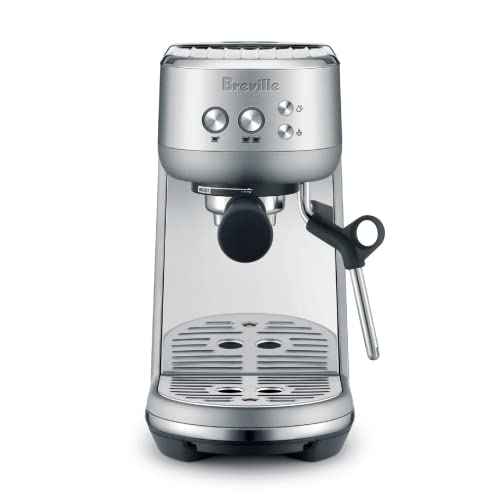
- ✓ Fast heat-up time
- ✓ Easy milk texturing
- ✓ Compact design
- ✕ Limited steam wand control
- ✕ Slight learning curve
| Heating System | ThermoJet heating system achieving 3-second heat-up time |
| Power | 1560 Watts |
| Voltage | 110 to 120 Volts |
| Pump Pressure | Low pressure pre-infusion with gradual pressure increase (exact pressure not specified, but typically around 9 bar for espresso machines) |
| Portafilter Size | 54mm with 19 grams capacity |
| Additional Features | Digital PID temperature regulation, automatic steam wand with microfoam capability |
Last weekend, I found myself waking up early on a chilly morning, eager to brew a fresh espresso before the house stirred. I grabbed the Breville Bambino from its sleek spot on the countertop, already impressed by its compact size and brushed stainless steel finish that looked both modern and sturdy.
Firing it up, I was amazed how quickly it heated up—just three seconds with the ThermoJet system. No more waiting around for the machine to warm; I was pouring my shot in no time.
The digital PID temperature control made sure the water was perfectly hot, giving that rich, consistent extraction I crave.
The manual steam wand was surprisingly easy to use. I textured milk with a smooth microfoam, perfect for latte art—even on my first try.
The adjustable steam allowed me to reach just the right temperature, which made my drinks look as good as they tasted.
Using the 54mm portafilter and the 19 grams of coffee, I felt like a true barista. The low-pressure pre-infusion helped draw out all those flavors evenly, and the final shot was full-bodied and balanced.
It’s compact enough to fit in my small kitchen, yet powerful enough to produce café-quality espresso every time.
Overall, this machine makes me feel confident every morning. It’s straightforward, heats fast, and produces consistently delicious drinks.
Plus, the included accessories and two free coffee bags are a nice bonus to get started right away.
Wacaco Minipresso GR Portable Espresso Maker

- ✓ Compact and portable
- ✓ No power needed
- ✓ Flexible coffee options
- ✕ Manual pumping effort
- ✕ Small shot size
| Water Capacity | Approx. 50 ml per shot, extendable to 100 ml with accessories |
| Pressure Generation | Manual piston pump, approximately 8-9 bar pressure |
| Material | Food-grade plastic and stainless steel components |
| Dimensions | Compact size suitable for portability (exact dimensions not specified) |
| Weight | Lightweight, typically around 350-400 grams |
| Compatibility | Uses ground coffee; compatible with any roast or grind size suitable for espresso |
Unboxing the Wacaco Minipresso GR feels like holding a tiny barista in your hand. Its matte black finish is sleek and smooth, fitting comfortably in your palm.
The weight is just right—not too heavy, not too light—making it feel sturdy yet portable.
The first thing I noticed is how compact it is. It’s about the size of a small water bottle, so slipping it into a bag or backpack is effortless.
The integrated scoop for ground coffee is a thoughtful touch, and the overall build feels solid, with a nice balance between durability and lightweight design.
Using it is surprisingly straightforward. You add your favorite ground coffee to the basket, then gently press to level it.
Pour hot water into the tank, lock everything into place, and pump the piston a few times. Watching the espresso slowly extract with a rich crema is pretty satisfying—especially considering you’re doing it all manually.
One thing I really appreciate is the flexibility—any coffee beans, any roast. It’s perfect for experimenting with flavors.
Plus, since it doesn’t need batteries or electricity, you can brew a fresh shot anywhere—office, camping, or even a weekend trip.
However, it’s not a full-sized espresso machine. The shot is about 50ml, which is just enough for that quick caffeine boost.
Also, it takes a bit of effort to pump out the perfect shot, so it’s not ideal if you’re in a rush.
Overall, it’s a fun, reliable gadget that turns any place into your personal coffee spot. Just keep in mind it’s best for small, strong espresso shots—nothing too fancy or large.
What Is a Manual Espresso Coffee Machine and How Does It Work?
A manual espresso coffee machine, often referred to as a lever espresso machine, is a traditional brewing device that allows users to manually extract espresso using a lever mechanism. Unlike automatic machines, which rely on electric pumps, manual espresso machines depend on the user’s physical force to create the pressure necessary for brewing.
How It Works:
-
Water Heating: The machine heats water to the ideal temperature, typically between 190°F and 205°F (88°C to 96°C).
-
Grinding and Tamping: Fresh coffee beans are ground to a fine consistency, then packed into the portafilter and tamped down firmly to create an even puck.
-
Lever Operation: The user pulls the lever, which forces hot water through the coffee grounds at a pressure of around 9 bars. This pressure is crucial for extracting rich flavors and crema from the espresso.
-
Extraction: As the hot water passes through the compact coffee grounds, it extracts essential oils, resulting in a concentrated shot of espresso.
This hands-on approach allows for precise control over brewing variables, making it a favorite among coffee enthusiasts who appreciate the craft of brewing.
What Key Features Should You Look for in a Manual Espresso Machine?
When searching for the best manual espresso coffee machine, there are several key features to consider that can enhance your brewing experience.
- Build Quality: A sturdy and well-constructed machine ensures durability and stability during use.
- Pressure Gauge: A pressure gauge allows you to monitor the brewing pressure, which is crucial for achieving the perfect espresso extraction.
- Portafilter Size: The size of the portafilter affects the amount of coffee you can use, influencing flavor and strength.
- Heat Stability: Good heat stability is important for maintaining the ideal brewing temperature throughout the espresso-making process.
- Ease of Use: Consider how intuitive the machine is to operate, especially for beginners, to achieve consistent results.
- Size and Portability: The dimensions and weight of the machine matter if you plan to use it in various locations or have limited counter space.
- Customization Options: Features that allow you to adjust grind size, tamping pressure, and water temperature can enhance your brewing precision.
Build quality is essential for a manual espresso machine, as it determines how well the machine can withstand daily use. Machines made from high-grade materials like stainless steel not only last longer but also offer better thermal properties, which can improve the extraction process.
A pressure gauge is a vital feature that provides real-time feedback on the brewing pressure, helping you to optimize your technique. Consistently maintaining the correct pressure is key to pulling a rich, flavorful shot of espresso.
The portafilter size affects how much coffee you can use in a single shot. Standard sizes are typically 58mm, but some machines may offer smaller or larger options, impacting the espresso’s strength and flavor profile.
Heat stability is crucial because fluctuations in temperature can disrupt extraction and lead to subpar coffee. A machine with good heat retention will provide a consistent temperature throughout the brewing cycle, resulting in better-tasting espresso.
Ease of use is particularly important for those new to making espresso. A machine with straightforward controls and a simple setup process allows users to focus on their brewing technique without getting overwhelmed by complicated features.
Size and portability are practical considerations, especially for individuals with limited kitchen space or those who may want to take the machine on the go. Compact models can fit into small areas and are often lighter, making them easier to transport.
Customization options are a significant advantage for those looking to refine their espresso-making skills. Machines that allow adjustments to grind size, tamping pressure, and water temperature provide the flexibility needed to experiment and achieve the desired flavor profile.
What Are the Advantages of Using a Manual Espresso Coffee Machine?
The advantages of using a manual espresso coffee machine include greater control, superior flavor extraction, and a more authentic coffee-making experience.
- Greater Control: Manual espresso machines allow users to have full control over the brewing parameters such as water temperature, pressure, and extraction time. This level of control enables baristas to experiment and adjust their techniques, resulting in a personalized cup of coffee that can match individual preferences perfectly.
- Superior Flavor Extraction: The ability to control the brewing process helps in achieving optimal flavor extraction from the coffee grounds. Manual machines often utilize a lever mechanism that allows for a more gradual build-up of pressure, which can enhance the richness and complexity of the espresso, leading to a more flavorful shot compared to automatic machines.
- More Authentic Experience: Using a manual espresso machine can provide a more hands-on and engaging experience when making coffee. The tactile nature of pulling a lever and the connection to the brewing process can be satisfying for coffee enthusiasts who appreciate the artistry involved in crafting the perfect espresso.
- Durability and Longevity: Manual espresso machines are often built with high-quality materials and fewer electrical components, leading to increased durability and longer lifespan. With proper care, these machines can last for many years, making them a worthwhile investment for serious coffee lovers.
- Lower Maintenance Costs: Since manual espresso machines generally have fewer mechanical parts, they tend to require less maintenance and fewer repairs compared to their automatic counterparts. This can result in lower long-term costs, making them an economical choice for those who enjoy regular home brewing.
What Are the Top-Rated Manual Espresso Coffee Machines Available Today?
The top-rated manual espresso coffee machines combine craftsmanship and quality to deliver excellent coffee experiences.
- La Pavoni Europiccola: This classic lever espresso machine is known for its beautiful design and ability to produce rich, creamy espresso.
- Rancilio Silvia: A highly regarded choice among coffee enthusiasts, this machine offers commercial-grade components and excellent steam power.
- Gaggia Classic Pro: Renowned for its durability and quality, this machine provides a great balance of affordability and professional features.
- Bezzera BZ10: This machine is designed for serious home baristas, featuring a heat exchanger that allows for simultaneous brewing and steaming.
- Elekta Espresso: Combining Italian design with user-friendly features, this machine is perfect for those who want to explore manual espresso making.
La Pavoni Europiccola: The La Pavoni Europiccola is a timeless lever espresso machine that has been a favorite since its introduction in the 1950s. Its all-brass construction and beautiful chrome finish not only make it a stunning centerpiece in any kitchen but also ensure durability. Users appreciate the hands-on experience, where they control the pressure and extraction time, resulting in a personalized espresso shot every time.
Rancilio Silvia: The Rancilio Silvia is often deemed the gold standard for home espresso machines, particularly for those who are serious about their coffee. It features a powerful 15-bar pump and a commercial-grade steam wand, allowing for great espresso shots and perfect milk frothing capability. Its robust build and ease of use make it suitable for both beginners and experienced baristas alike.
Gaggia Classic Pro: The Gaggia Classic Pro is celebrated for its high-quality construction and ease of use, making it a favorite among home baristas. It comes equipped with a commercial-style portafilter and a powerful steam wand, enabling users to create café-quality espresso and froth milk effectively. Its compact size and reliable performance make it an ideal choice for those with limited counter space.
Bezzera BZ10: The Bezzera BZ10 is a semi-automatic espresso machine that features a heat exchanger, allowing users to brew espresso and steam milk simultaneously. This machine is designed for those who are serious about their coffee, as it delivers consistent temperature stability and great flavor extraction. Its robust construction and user-friendly interface make it suitable for both home and semi-commercial use.
Elekta Espresso: The Elekta Espresso machine stands out for its elegant Italian design and user-friendly features, making it an excellent choice for those new to manual espresso making. It provides intuitive controls that allow users to adjust the brewing parameters easily. With its compact size and stylish appearance, it fits well in any kitchen while delivering quality espresso shots.
What Factors Should Influence Your Decision When Choosing a Manual Espresso Machine?
When choosing the best manual espresso coffee machine, several factors should guide your decision.
- Build Quality: The materials and construction of the espresso machine significantly impact its durability and performance. A well-built machine, often made from stainless steel or brass, ensures longevity and consistent heat retention, which is crucial for brewing quality espresso.
- Pressure System: The pressure system is vital for extracting espresso properly. A machine that can generate at least 9 bars of pressure is ideal, as this is the standard required for optimal extraction, resulting in a rich and flavorful shot of espresso.
- Portafilter Size: The size of the portafilter affects the amount of coffee you can use and the overall extraction. A larger portafilter typically allows for more coffee, which can lead to a fuller flavor profile, making it an important aspect to consider for serious espresso enthusiasts.
- Ease of Use and Maintenance: Some manual espresso machines can be quite complex and require a learning curve to master. Consider how easy the machine is to operate and clean; simpler designs may enhance your espresso-making experience, especially if you’re a beginner.
- Price Range: Manual espresso machines can vary widely in price, so it’s essential to set a budget. While higher-priced models often offer better features and build quality, there are also excellent options in the mid-range that can produce great espresso without breaking the bank.
- Brand Reputation and Reviews: Researching brand reputation and reading reviews can provide insights into the machine’s performance and reliability. Established brands with positive feedback often indicate a higher likelihood of satisfaction and dependable customer service.
- Additional Features: Look for features such as temperature stability, a built-in grinder, or a steam wand for frothing milk. While not essential, these extras can enhance your espresso-making experience and allow for more versatility in your coffee preparation.
How Can You Properly Use and Maintain a Manual Espresso Coffee Machine?
To properly use and maintain a manual espresso coffee machine, consider the following key practices:
- Preheat the Machine: Before making espresso, it’s important to preheat the machine to ensure optimal extraction temperature. This can usually be done by running water through the group head for a few seconds.
- Use Fresh Coffee Beans: Always use freshly roasted coffee beans for the best flavor. Grinding the beans just before brewing ensures maximum freshness, which significantly affects the taste of the espresso.
- Proper Grinding: The grind size is crucial for espresso; it should be fine but not powdery. A consistent grind allows for even extraction, while too coarse or too fine can lead to under-extraction or over-extraction, respectively.
- Correct Tamping: Tamping the coffee grounds evenly and with consistent pressure is essential. A well-tamped puck ensures that water flows through the coffee evenly, leading to a balanced extraction.
- Monitor Brew Time: Keep an eye on the brewing time, which should typically be around 25-30 seconds for a double shot. This timing helps in achieving the desired flavor profile and crema quality.
- Regular Cleaning: After each use, clean the machine to prevent coffee oils and residues from affecting future brews. Regularly backflushing the machine (if applicable) and descaling are also important maintenance steps.
- Check Water Quality: The quality of water used can greatly influence the taste of espresso. Use filtered water to avoid chemical flavors and mineral buildup that may affect machine performance.
- Adjusting Pressure: If your manual machine allows for pressure adjustments, experiment to find the ideal pressure for your coffee. Different beans and roasts may require slight modifications to achieve the best results.
What Common Mistakes Should You Avoid When Using a Manual Espresso Coffee Machine?
When using the best manual espresso coffee machine, there are several common mistakes to avoid for optimal brewing results.
- Using Incorrect Coffee Grind Size: The grind size of the coffee beans is crucial for espresso extraction. Too fine a grind can lead to over-extraction and bitterness, while too coarse can result in under-extraction and sour flavors.
- Poor Coffee Quality: Using low-quality or stale coffee beans can severely impact the flavor of your espresso. Freshly roasted, high-quality coffee beans are essential for achieving the rich, complex flavors that espresso is known for.
- Inconsistent Coffee Dose: Not measuring the coffee dose accurately can lead to varying strengths and flavors in your espresso. Consistency in the amount of coffee used ensures a reliable extraction process and a balanced shot.
- Inadequate Tamping: Tamping the coffee grounds unevenly or with insufficient pressure can create channeling during extraction, resulting in an uneven brew. A consistent and firm tamp is necessary to create a uniform coffee bed for optimal water flow.
- Not Preheating the Machine: Failing to preheat the manual espresso machine can lead to cold water passing through the coffee grounds, which negatively affects extraction. Preheating ensures that both the machine and the coffee are at the ideal temperatures for brewing.
- Ignoring Brew Time: Over-extraction or under-extraction can occur if you do not monitor the brew time closely. Aim for a brew time of about 25-30 seconds to achieve a balanced espresso shot.
- Neglecting Maintenance: Regular cleaning and maintenance of your espresso machine are vital for preserving its performance and longevity. Build-up of coffee oils and residues can lead to off-flavors and equipment malfunctions.