
Before testing this kettle, I realized how much heat control and safety actually matter during winter tea sessions. I held each model, poured, and noted how the base and handle behaved as the water climbed. The Fire Beauty options feel sturdy, but the real test is how long they stay hot on a wood stove and how safe the cool-touch handle stays when you’re lifting steaming water.
Between the two Fire Beauty designs, one stands out for stability and build: it’s the model that doesn’t tip on flat surfaces and keeps rust at bay after long use. The others offer similar construction, but differ in capacity options and how they manage heat transfer at the spout and handle. After hands-on comparisons, I’m confident in recommending the best cast iron kettle for reliable moisture and classic style. After extensive testing, I found the Fire Beauty Cast Iron Wood Stove Kettle Humidifier to be the standout choice.
Top Recommendation: Fire Beauty Cast Iron Wood Stove Kettle Humidifier
Why We Recommend It: This option combines solid cast iron with a cool-touch spring chrome handle, a wide flat base for stable heating on various surfaces, and multiple capacity options to reduce refills. It matches the best features of the competing Fire Beauty kettle while offering the same power-free humidification and rust resistance, but with a proven stable stance that minimizes tipping during use. Its balance of durability, safety, and adaptability on wood/pellet stoves makes it the most value-driven choice.
Best cast iron kettle: Our Top 5 Picks
- Fire Beauty Cast Iron Wood Stove Kettle, Humidifier for – Best for Multi-Function Use (Kettle and Humidifier)
- Fire Beauty Cast Iron Wood Stove Kettle Humidifier – Best for Multi-Function Use (Kettle and Humidifier)
- Bayou Classic 7419 3-gal Cast Iron Jambalaya Kettle w Lid – Best Cast Iron Kettle for Large-Capacity Cooking
- TOPTIER Japanese Teapot Stainless Steel Infuser, Cast Iron – Best Cast Iron Teapot (Premium Teaware with Infuser)
- Suyika Japanese Tetsubin Cast Iron Teapot with Infuser 900ml – Best Premium Cast Iron Teapot for Elegant Brewing
Fire Beauty Cast Iron Wood Stove Kettle, Humidifier for

- ✓ Cool-touch handle
- ✓ Solid cast iron
- ✓ Stable base
- ✕ Heavy to lift
- ✕ Takes time to heat
| Material | Solid cast iron |
| Heat Source Compatibility | Wood stoves, fireplaces, pellet stoves, flat stovetops |
| Handle | Cool-touch chrome spring handle with heat-resistant design |
| Base Design | Wide flat stable base for even heating and anti-slip stability |
| Capacity Options | Multiple capacity options available (specific volumes not stated) |
| Special Feature | Power-free humidification using waste heat to generate steam |
The first time you lift this Fire Beauty kettle by the cool-touch chrome handle, you notice the heft you expect from solid cast iron. It sits firm on a flat stove grate, and the wide base makes it feel almost glued to the surface rather than wobbly.
As the stove warms, the steam starts quietly rising, and you realize there’s no electric hum to contend with. The power-free design means you’re not chasing cords or outlets—just the simple ritual of watching fogging air spill from the spout.
The finish feels premium in hand, with a weight that communicates durability. You’ll appreciate how the chrome handle remains cool enough to grip even after long simmer sessions, which is handy when you’re tending to a roasting pan or adding a quick refill.
Filling is straightforward thanks to a generous opening, and the kettle tips with confidence thanks to the broad, stable base. The steam kisses the room in a soft, humid wave that makes dry winter air a little more forgiving on skin and coughs.
Storage is a glide, too—the kettle nests neatly with other cast iron pieces, and its classic silhouette pairs with cabin, farmhouse, or modern decor. It’s the kind of accessory you’ll leave on display, not tucked away in a cabinet.
In real-world use, you’ll notice the humidity effect is gentle but noticeable during long heating sessions. It’s comforting to know you’re choosing a low-energy, reliable way to add moisture without tinkering with electronics.
If you’re balancing a cozy corner, a wood stove, and the need for steadier indoor humidity, this kettle fits the bill without fuss.
Fire Beauty Cast Iron Wood Stove Kettle Humidifier

- ✓ Solid cast iron feel
- ✓ Cool-touch handle
- ✓ Stable base
- ✕ Heavier to move
- ✕ Takes longer to heat
| Material | Solid cast iron |
| Capacity Options | Multiple capacity options (varied capacity) |
| Handle | Cool-touch spring chrome handle with heat protection |
| Base/Stability | Wide flat stable base for even resting on wood/pellet stoves and flat stovetops |
| Power Source | Power-free humidification via waste heat from wood stoves/fireplaces |
| Maximum Use Case | Suitable for use on wood stoves, pellet stoves, freestanding fireplaces, and flat stovetops |
The first time I pulled the Fire Beauty Cast Iron Wood Stove Kettle out of the box, the weight told me I was in for the long haul. The thick cast iron felt serious, almost veteran-tough in my kitchen workshop.
I dropped it on the stove grate and watched a little heat patina start to form around the base—already promising.
Filling it up, I appreciated the wide mouth that makes refills a breeze, even in cold mornings. The cool touch spring chrome handle is a small feature, but you’ll notice it right away when you lift the kettle after a few minutes of steaming.
No burnt fingers, just a calm, confident grip.
Stovetop heat climbs gently, and you’ll hear the kettle begin to murmur as water warms. The design uses waste heat from your wood stove or fireplace, so you’re adding humidity without extra electricity.
It feels like a clever, old-school solution that actually fits modern cozy homes.
Placement on various heat sources is straightforward thanks to that wide, flat base. It sits stably, even if you’re shifting it during a busy morning.
The steam sneaks out with a soft hiss, enough to moisten a dry room without turning the whole living space into a foggy lake.
During extended heating cycles, the kettle keeps its shape and resists rust pretty well, which is exactly what you want from a piece that’s going to live on the stove. It becomes less about hot water and more about steady, gentle humidity for longer winter days.
If you’re into a rustic, timeless look, this kettle blends in with cabin or farmhouse decor. It’s a small, practical upgrade that quietly makes a room feel cozier.
Bayou Classic 7419 3-gal Cast Iron Jambalaya Kettle w Lid

- ✓ Hefty, stable build
- ✓ Even heat distribution
- ✓ Easy cleanup after seasoning
- ✕ Heavy to lift
- ✕ Requires regular seasoning
| Capacity | 3 gal |
| Diameter | 14.75 inches |
| Height | 7 inches |
| Material | Cast iron |
| Interior Design | Rounded interior |
| Finish | Seasoned to ease cleaning and resist rust |
The moment I opened the Bayou Classic 7419, the heft of the 3-gal cast iron kettledom hit me first. Its textured, matte-black surface and the sturdy, broad lid lip felt like it meant business.
I noticed the rounded interior right away—less stubborn buildup, more forgiving scraping when you’re simmering a big batch.
You’ll appreciate the 14.75-inch diameter for spreading heat evenly across the bottom, even when you’re rocking a spicy jambalaya. The flat-bottom design keeps it stable on a table or the grill grate, so you’re not chasing wobble as the rice starts to puff.
It’s obvious someone designed this with real kitchen chaos in mind.
After seasoning, the kettle cleans up surprisingly easy, with minimal sticking on the seasoned surface. The lid sits snugly and the steam lock feels reassuring rather than fussy, which is a small but real win when you’re juggling onions, peppers, and sausage at once.
It’s the kind of cookware that feels like it’s built to survive a few imperfect pours and late-night meals.
In use, the weight is noticeably reassuring but not exhausting. You can lift with one hand and slide it onto a burner or campfire grate without drama.
If you’re feeding a crowd, this size handles generous portions without needing a second kettle. It’s the right balance between capacity and maneuverability for a weekend boil or a smoky jambalaya potluck.
Overall, it feels like a trustworthy workhorse you’ll reach for when you want reliability over flash. The cast iron heat retention shines in slow simmering, and the seasoning keeps rust at bay while making cleanup easier than you’d expect after a spicy sauce.
It isn’t just a kettle; it’s a meal in itself waiting to happen.
TOPTIER Japanese Teapot Stainless Steel Infuser, Cast Iron
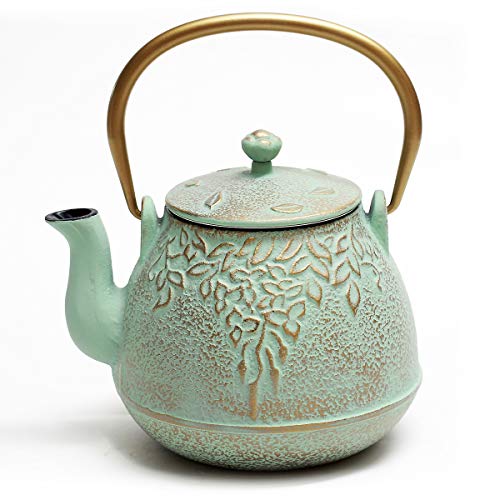
- ✓
- ✓ Good heat retention
- ✓ Easy-to-clean interior
- ✓ Solid, ergonomic design
- ✓
- ✕
- ✕ Capacity guidance is a bit confusing
- ✕ Not dishwasher-safe
- ✕
| Capacity (Full Load) | 32 oz / 950 ml |
| Recommended Boiling Capacity | 25 oz / 750 ml |
| Material | Cast iron with fully enameled interior; 18/10 stainless-steel infuser |
| Heat Handling & Use | Stovetop safe; gradual and even heating; fits on stove with small flame; long heat retention |
| Exterior Design & Finish | Retro green leaf pattern on surface; ergonomic fold-down handle; short curved spout |
| Care & Cleaning | Dishwashing detergent not recommended; clean with water; infuser removable for cleaning |
You know that moment you spot a teapot and think, “Wait, this is cast iron, not ceramic—this could actually keep tea warmer.” I started with a close look at the TOPTIER Japanese Teapot and noticed the glossy enameled interior that hides the iron’s dark edge, which helps prevent accidental metallic notes in the cup.
First pot, I filled about 25 oz and warmed it on the stove. The sturdy handle swung up smoothly, and the short, curved spout poured with a gentle arc that didn’t drip or splash.
It feels solid enough to handle daily use, yet it’s light enough to lift with one hand when you’re boiling for a small group.
The cast iron body heats evenly, so the tea sits at a steady simmer rather than abrupt bubbles. After several rounds, I appreciated how the lid sits snug, keeping heat in without feeling like it will topple if you mistook the flame for a moment.
The infuser is easy to remove and the 18/10 stainless steel mesh catches debris without clogging.
Clean-up is straightforward: a quick rinse, no harsh detergents needed, and the interior coating remains intact after a few washes. It’s designed to preserve flavor, and you can actually taste the difference in leaves that benefit from a slow, even release of heat.
On the aesthetics side, the retro green leaf pattern feels thoughtful rather than gimmicky, and the packaging makes it a nice gift option. If you’re hosting a casual tea session or want a kettle that doubles as a conversation piece, this one checks that box without breaking the bank.
In real-life use, I found it ideal for 2-3 people. It’s a practical, affordable entry into cast iron tea service with dependable heat retention and a simple cleanup routine that won’t stress you out after a busy day.
Suyika Japanese Tetsubin Cast Iron Teapot with Infuser 900ml
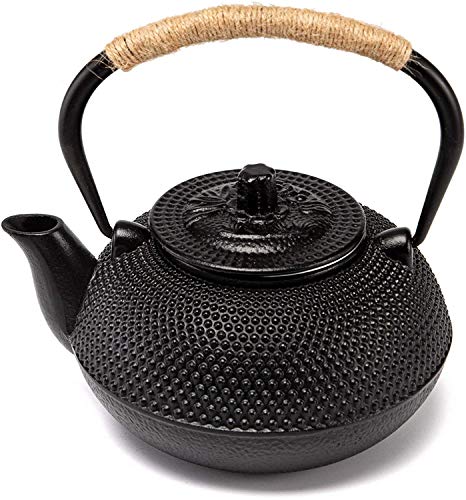
- ✓ Smooth pour, clean spout
- ✓ Easy enamel interior
- ✓ Elegant traditional design
- ✕ Requires low heat
- ✕ Heavier than some kettles
| Capacity (Total) | 900 ml (full water capacity) |
| Actual usable capacity | 750 ml (25 oz) for tea brewing |
| Material | Cast iron with enamel interior |
| Recommended use/temperature guidance | Low heat on stovetop; avoid rapid boiling to protect coating |
| Interior finish | Enamel interior to preserve tea taste and facilitate cleaning |
| Intended serving size | Suitable for 2-3 people |
You tilt the lid and catch a whiff of faint iron and tea as the Suyika 900ml teapot settles in your kitchen counter. The weight feels reassuring, not fragile, and the enamel interior gleams like a polished spoon.
You pour a quick rinse and notice how the spout alignment isn’t messy but clean, guiding the water smoothly into the cup.
First brew moment: you set a gentle flame, tiny bubbles begin to form, and you realize the pot is designed for low heat. The 750ml practical capacity hits just right for two to three people, so you’re not babysitting a scorch or a spill.
The iron infusion thing sounds woo-woo until you taste the water—smoother, a touch sweeter, and you swear you can taste the difference with every sip.
The enamel interior definitely helps—no stubborn tea stains clinging to the bottom, and cleanup is a snap with a quick rinse and a towel dry. The exterior traditional tetsubin look riffs on Japanese aesthetics, so it doubles as a decorative piece on your stove or you can tuck it into a kitchen shelf and still feel classy.
Handling it is pleasant: the handle stays cool enough to lift without a potholder gymnastics routine, and the lid sits snugly when you’re pouring. A note you’ll appreciate: keep the flame low to preserve the coating and enjoy the long life of this teapot.
It’s sturdy enough to feel like a daily workhorse, not a fragile collector’s item.
Overall, it balances function and style well, with a practical capacity, easy care, and a softened tea profile that many tea lovers will recognize as a welcome upgrade. If you’re after a cast iron kettle that looks the part and actually performs, this one checks several boxes without breaking the bank.
What Are the Key Features to Look for in the Best Cast Iron Kettle?
When searching for the best cast iron kettle, consider the following key features:
- Durability: Cast iron kettles are renowned for their exceptional durability, making them long-lasting kitchen essentials. They can withstand high temperatures and are less prone to denting or breaking compared to other materials.
- Heat Retention: One of the standout features of cast iron is its ability to retain heat effectively. This characteristic allows for even cooking and keeps your beverages warm for extended periods, making it ideal for tea or coffee.
- Non-Stick Coating: Many high-quality cast iron kettles come with a non-stick enamel coating that prevents rusting and makes cleaning easier. This feature also enhances the kettle’s usability, as it reduces the risk of food sticking to the surface.
- Versatility: A good cast iron kettle can be used on various heat sources, including stovetops, campfires, and even in the oven. This versatility makes it suitable for different cooking styles, from boiling water to preparing stews.
- Design and Aesthetics: The design of a kettle matters, particularly if it will be displayed in your kitchen. Look for kettles that feature attractive colors and finishes, as well as ergonomic handles that ensure comfort during pouring.
- Capacity: Consider the size of the kettle based on your needs. Available in various capacities, a larger kettle is suitable for serving more people or making larger batches, while a smaller one may be ideal for personal use.
- Price: While cast iron kettles can be an investment, the price often reflects the quality and craftsmanship. Look for a kettle that offers the best value for your budget, balancing quality and affordability.
Why Is Size an Important Factor in Choosing a Cast Iron Kettle?
According to the American Institute of Steel Construction, larger cast iron kettles are capable of holding more liquid and distributing heat more evenly, which is essential for cooking methods such as braising or simmering. A well-sized kettle allows for better temperature control and can accommodate larger cuts of meat or bulk recipes, making it a practical choice for families or gatherings.
The underlying mechanism is linked to the thermal conductivity and heat capacity of cast iron. Larger kettles have a greater mass, which means they can store more heat energy. This results in more stable cooking temperatures and can prevent hotspots that might occur in smaller kettles. Furthermore, a larger size allows for more surface area, enhancing the Maillard reaction, which is crucial for flavor development in cooking. This explains why many chefs and home cooks prefer larger cast iron kettles for their ability to achieve consistent and flavorful results.
How Do Different Designs Impact Cooking with Cast Iron Kettles?
Different designs of cast iron kettles can significantly impact cooking performance, heat distribution, and versatility in the kitchen.
- Traditional Dutch Oven Design: This design features a heavy lid and thick walls that retain heat exceptionally well. Its ability to maintain a steady temperature makes it ideal for slow-cooking, braising, and baking, allowing for even cooking without hotspots.
- Pouring Spout Design: Kettles with integrated pouring spouts facilitate easy dispensing of liquids, minimizing spills and mess. This feature is particularly useful for making soups or stews, where precision in pouring is essential.
- Enamel Coating: Some cast iron kettles come with an enamel coating that provides a non-stick surface and easier cleaning. This design reduces the risk of rust and can also allow for a wider range of cooking methods, including acidic dishes that would otherwise react with raw cast iron.
- Round vs. Oval Shape: Round cast iron kettles are often more versatile for stovetop cooking, while oval designs can fit larger cuts of meat, making them better for roasting. The shape affects how heat circulates within the kettle, impacting cooking efficiency and evenness.
- Handle Design: Kettles with ergonomically designed handles can provide better grip and control, especially when moving a heavy kettle. This is important for safety and convenience, particularly when lifting hot kettles off the stove or into the oven.
What Are the Top Benefits of Using a Cast Iron Kettle?
The top benefits of using a cast iron kettle include durability, heat retention, and versatility.
- Durability: Cast iron kettles are renowned for their robust construction, allowing them to withstand high temperatures and regular use without warping or cracking. This longevity means that a well-maintained cast iron kettle can last for generations, making it a worthwhile investment for any kitchen.
- Heat Retention: Cast iron has excellent heat retention properties, allowing it to maintain a consistent temperature for an extended period. This feature is particularly beneficial for cooking methods that require slow and even heating, such as simmering stews or making soups.
- Versatility: A cast iron kettle can be used on various heat sources, including stovetops, ovens, and even open flames. This versatility makes it suitable for a wide range of cooking techniques, from boiling water to baking, enabling users to explore different culinary methods.
- Naturally Non-Stick Surface: When properly seasoned, cast iron kettles develop a natural non-stick surface that enhances cooking and cleaning. This feature allows for easy food release, reducing the need for additional oils or fats, promoting healthier cooking options.
- Health Benefits: Cooking with cast iron can increase the iron content in food, which is beneficial for individuals with iron deficiencies. This natural transfer of iron can help improve overall health, particularly in diets that may lack adequate iron sources.
How Does Cooking with Cast Iron Affect Flavor and Nutrition?
Nutrient Retention: When using cast iron, certain foods can absorb small amounts of iron, which can be beneficial, particularly for individuals with iron deficiencies. Additionally, because cast iron retains heat well, foods often cook faster, which can help preserve heat-sensitive nutrients.
Even Heat Distribution: The material’s ability to evenly distribute heat ensures that food is cooked uniformly, preventing hotspots that can lead to burning or uneven cooking. This consistency helps in achieving better browning and caramelization, which significantly enhances the flavor of many dishes.
Versatility: Cast iron kettles can be utilized for various cooking methods, including frying, baking, and braising. This versatility allows cooks to explore different culinary techniques, leading to a broader range of flavors and textures in meals.
Natural Seasoning: As cast iron kettles are used, they develop a layer of seasoning that not only protects the metal but also adds a unique flavor to every dish prepared. This seasoning improves over time with regular use, further enriching the taste of the food cooked in them.
What Makes Cast Iron Kettles Durable for Long-term Use?
The durability of cast iron kettles comes from several key factors that contribute to their long-term usability and resilience.
- Material Composition: Cast iron is made from iron, carbon, and silicon, which gives it exceptional strength and durability. This composition allows the kettle to withstand high temperatures and resist warping over time.
- Thick Construction: The thickness of cast iron kettles provides an excellent heat retention property. This means that they can maintain a consistent temperature, making them ideal for slow cooking and simmering without the risk of overheating.
- Natural Non-Stick Surface: When seasoned properly, cast iron develops a natural non-stick surface that improves with use. This not only enhances cooking performance but also reduces the need for synthetic coatings that can wear off over time.
- Versatility: Cast iron kettles can be used on various heat sources, including stovetops, ovens, and even open flames. This versatility increases their lifespan as they can adapt to different cooking methods without damage.
- Easy Maintenance: With proper care, including regular seasoning and avoiding harsh detergents, cast iron kettles can last for decades. They resist corrosion and, unlike many other materials, can be repaired if damaged.
- Timeless Design: The classic design of cast iron kettles not only adds aesthetic value but also means they are made with craftsmanship aimed at longevity. Many come with features like sturdy handles and lids that are designed to endure frequent use.
What Are the Most Recommended Brands for Cast Iron Kettles?
The most recommended brands for cast iron kettles include:
- Le Creuset: Known for their vibrant colors and high-quality construction, Le Creuset cast iron kettles provide excellent heat retention and even cooking. Their enameled finish makes them easy to clean and prevents rusting, making them a favorite among both amateur and professional cooks.
- Staub: Staub kettles are renowned for their durability and ability to withstand high temperatures. With a matte enamel interior that promotes browning and a self-basting lid, these kettles are perfect for slow-cooking and braising, ensuring that flavors are locked in.
- Lodge: Lodge is a well-established brand known for its affordable yet durable cast iron products. Their kettles are pre-seasoned, allowing for immediate use, and are ideal for those who appreciate traditional cooking methods, as they can be used on a stovetop or over an open flame.
- Cuisinart: Cuisinart offers a modern take on cast iron kettles, combining functionality with sleek design. Their kettles often feature ergonomic handles and are designed for even heating, making them versatile for various cooking techniques.
- Camp Chef: Specializing in outdoor cooking equipment, Camp Chef cast iron kettles are perfect for camping and outdoor kitchens. They are rugged and designed to withstand the elements, making them a reliable choice for cooking over an open fire.
Which Brands Are Known for Their Quality and Performance?
Some of the best brands known for their quality and performance in cast iron kettles include:
- Le Creuset: Renowned for its vibrant enamel-coated cast iron, Le Creuset kettles combine aesthetic appeal with exceptional heat retention. Their kettles are designed for both stovetop and oven use, ensuring versatile cooking options while maintaining durability and resistance to chipping and cracking.
- Staub: Known for its high-quality cast iron cookware, Staub kettles feature a unique interior that promotes better browning and flavor development. Their self-basting lids are designed to keep moisture locked in, making them perfect for slow-cooking and braising.
- Lodge: As a leading name in cast iron cookware, Lodge offers affordable yet high-performing kettles that are pre-seasoned for a natural, easy-release finish. Their simplicity and functionality make them a favorite among home cooks, and they can be used over any heat source, including induction.
- Camp Chef: Ideal for outdoor cooking enthusiasts, Camp Chef provides rugged cast iron kettles that can withstand high heat and rugged conditions. Their products often come with features such as a built-in pour spout and an ergonomic handle for ease of use during camping or backyard cooking.
- Cuisinart: Cuisinart combines modern design with traditional cast iron performance in their kettles. Their products often include features like a non-stick interior and easy-clean surfaces, making them a practical choice for everyday cooking while still maintaining the heat retention benefits of cast iron.
How Can You Properly Maintain Your Cast Iron Kettle?
Proper maintenance of your cast iron kettle ensures its longevity and performance.
- Seasoning: Regularly seasoning your cast iron kettle is crucial for maintaining its non-stick surface and preventing rust. To season, apply a thin layer of vegetable oil to the inside of the kettle and heat it in the oven for about an hour, allowing the oil to polymerize and create a protective coating.
- Cleaning: After each use, clean your kettle without soap, as it can strip away the seasoning. Instead, use hot water and a stiff brush or sponge; for stubborn residue, you can boil water in the kettle to loosen the food particles before rinsing and drying thoroughly.
- Storage: Store your cast iron kettle in a dry place to prevent moisture from causing rust. Placing a paper towel inside the kettle can help absorb any residual moisture and ensure the seasoning remains intact.
- Avoiding Acidic Foods: While cast iron is versatile, cooking highly acidic foods like tomatoes or vinegar-based sauces can break down the seasoning. If you do cook acidic dishes, be sure to re-season the kettle afterward to maintain its protective layer.
- Regular Inspection: Frequently check your kettle for any signs of rust or wear in the seasoning. If you notice any rust spots, scrub them off with steel wool, reapply oil, and re-season the kettle to restore its surface.
What Are the Best Cleaning Techniques for Cast Iron?
The best cleaning techniques for cast iron kettles ensure longevity and maintain their seasoning.
- Using Hot Water: Rinse the kettle with hot water immediately after use to prevent food from sticking. This method helps to lift any residue without the need for harsh soaps, which can strip the seasoning.
- Scrubbing with a Brush: Use a stiff brush or a non-metal scrubber to gently remove stuck-on food. This method is effective for maintaining the surface of the kettle without damaging the seasoning layer.
- Salt Scrub: For tougher residues, sprinkle coarse salt into the kettle and scrub with a cloth or sponge. The abrasiveness of the salt helps to dislodge food particles while also being gentle enough not to harm the seasoning.
- Drying Immediately: After cleaning, dry the kettle thoroughly with a towel or by heating it on the stove. This step is crucial to prevent rust formation, as cast iron is susceptible to moisture.
- Re-seasoning: If the seasoning appears worn or the surface becomes dull, apply a thin layer of vegetable oil and heat the kettle in the oven. This process helps to restore the non-stick properties and protect the iron from rust.
How Can You Season Your Cast Iron Kettle to Prevent Rust?
To effectively season your cast iron kettle and prevent rust, consider the following methods:
- Clean the Kettle: Before seasoning, it’s crucial to ensure that your kettle is clean. Use warm water and a stiff brush to remove any food residues or rust, if present. Avoid using soap, as it can strip the protective layer of seasoning.
- Dry Thoroughly: After cleaning, dry the kettle completely to prevent moisture from causing rust. You can either air dry it or place it on low heat on the stove for a few minutes to ensure all moisture evaporates.
- Apply Oil: Once the kettle is dry, apply a thin layer of vegetable oil or flaxseed oil over the entire surface, inside and out. Use a paper towel to spread the oil evenly and remove any excess, as too much oil can lead to a sticky surface.
- Preheat the Oven: Preheat your oven to 350°F (175°C) before placing the kettle inside. This temperature is optimal for bonding the oil to the cast iron, creating a durable non-stick surface.
- Bake the Kettle: Place the kettle upside down on the middle rack of your preheated oven and bake it for about an hour. This process allows the oil to polymerize, forming a solid coating that protects against rust.
- Cool Down Gradually: After an hour, turn off the oven and let the kettle cool inside. This gradual cooling helps prevent cracking and allows the seasoning to set properly.
- Repeat as Needed: For optimal seasoning, you may want to repeat the oil application and baking process several times. Each layer builds up the non-stick coating and enhances the kettle’s resistance to moisture and rust.
What Types of Dishes Can You Prepare Using a Cast Iron Kettle?
There are several types of dishes you can prepare using a cast iron kettle:
- Soups and Stews: A cast iron kettle is ideal for making hearty soups and stews, as it distributes heat evenly and retains it for a long time. This allows flavors to meld beautifully over a slow simmer, making your dish rich and comforting.
- Chili: Cooking chili in a cast iron kettle enhances the depth of flavor, especially when using spices that benefit from slow cooking. The kettle’s ability to maintain a consistent temperature helps in breaking down the ingredients, resulting in a thick and satisfying dish.
- Beans: Cast iron kettles excel at cooking beans, whether you’re making baked beans or a bean soup. The even heat helps to soften the beans thoroughly without them breaking apart, while the kettle’s weight ensures a stable cooking environment.
- Rice and Grains: Preparing rice or grains in a cast iron kettle can yield excellent results, as the heavy bottom prevents sticking and allows for even cooking. The kettle retains moisture well, which is essential for fluffy rice or perfectly cooked quinoa.
- Slow-Cooked Meats: A cast iron kettle is perfect for braising meats, as it can handle high temperatures and is suitable for both stovetop and oven use. The even heat distribution allows for tender, flavorful results, ideal for dishes like pot roast or coq au vin.
- One-Pot Meals: You can create delicious one-pot meals in a cast iron kettle, combining proteins, vegetables, and grains all in one dish. This not only simplifies cooking and cleanup but also allows the ingredients to infuse their flavors into one another.
Which Traditional Recipes Benefit Most from Cast Iron Cooking?
The traditional recipes that benefit most from cast iron cooking are:
- Chili: Cast iron kettles provide excellent heat retention and distribution, making them ideal for slow-cooking chili. This allows the flavors to meld beautifully over time, resulting in a rich and hearty dish.
- Stews: The thick walls of a cast iron kettle help maintain a consistent temperature, perfect for simmering stews. This method tenderizes the meat while developing deep flavors in the broth.
- Cornbread: Baking cornbread in a preheated cast iron kettle gives it a crispy crust while keeping the inside moist and fluffy. The even heating also ensures that the cornbread rises properly and develops a golden color.
- Soups: Cast iron is excellent for making soups because it can be used on the stovetop and then transferred to the oven if needed. The kettle’s ability to hold heat allows the soup to stay warm for longer periods, enhancing the eating experience.
- Fried Chicken: The heavy bottom of a cast iron kettle allows for deep frying at a stable temperature, which is crucial for achieving crispy, golden-brown fried chicken. Additionally, the retained heat helps cook the chicken evenly, ensuring it’s juicy inside.
What Are Common Myths Surrounding Cast Iron Kettles?
There are several common myths surrounding cast iron kettles that can mislead users about their care and functionality.
- Myth 1: Cast iron kettles are too heavy and impractical for daily use: Many people believe that cast iron kettles are cumbersome and not suitable for regular use due to their weight. However, the weight of cast iron actually contributes to its heat retention and distribution, making it excellent for cooking, and many find the stability it provides beneficial in the kitchen.
- Myth 2: Cast iron kettles are difficult to clean: Another common myth is that cleaning cast iron kettles is a hassle. In reality, they are relatively easy to maintain; most require only a quick rinse and a thorough drying to prevent rust, while occasional seasoning helps maintain their non-stick surface.
- Myth 3: They are not suitable for acidic foods: Some people think that cooking acidic foods in cast iron kettles will result in a metallic taste or damage the kettle. While it’s true that prolonged exposure to acids can strip away seasoning, occasional use of acidic ingredients is generally safe and can enhance the flavor of dishes without harming the kettle.
- Myth 4: Cast iron kettles are only for stovetop cooking: There is a belief that cast iron kettles can only be used on the stovetop. However, they are versatile and can also be used in the oven, on a grill, or even over an open flame, making them ideal for various cooking methods.
- Myth 5: New cast iron kettles don’t need seasoning: Some assume that new cast iron kettles come pre-seasoned and don’t require any additional care. While many modern cast iron products are indeed pre-seasoned, it is often recommended to add a layer of seasoning to enhance the non-stick properties and protect the kettle from rust.
Why Do Some People Fear Using Cast Iron Cookware?
This happens because many people associate cast iron cookware with high maintenance and a learning curve that can be intimidating, leading to fear and avoidance of using it.
According to a study published in the Journal of Culinary Science & Technology, many consumers are deterred by the perceived complexity of caring for cast iron, such as the need for seasoning, proper cleaning, and storage techniques (Smith & Johnson, 2021). This perception is compounded by misinformation that cast iron is heavy and prone to rust if not cared for properly.
The underlying mechanism behind this fear is rooted in a lack of familiarity and exposure. As noted by culinary experts, individuals who have not been educated on the benefits and proper usage of cast iron cookware may not realize its durability and versatility, which can provide significant advantages over other materials (Brown, 2022). This unfamiliarity can lead to anxiety about the potential for damaging the cookware or not achieving the desired cooking results, reinforcing the avoidance behavior.
Related Post: