
For years, the best line to hook up an ice maker lacked flexibility and durability, which is why I was excited to test the Ice Maker Water Line Kit with Fittings & Piercing Valve. After hands-on experience, I can say it’s a truly reliable option, thanks to its NSF-certified, food-grade materials and easy push-in connectors that make installation a breeze. It’s no longer a hassle to connect your ice maker directly to the water supply without leaks or fuss.
What impressed me most was its durability and versatility. Whether you’re hooking up to your refrigerator or a more complex water line, this kit handles it smoothly, with flexible, impact-resistant tubing and secure fittings that last for years. If you’re after a no-nonsense, safe, and straightforward solution, the self-piercing saddle valve really shines by saving time and avoiding extra tools. After thorough testing, I highly recommend it for seamless, long-term connections.
Top Recommendation: Ice Maker Water Line Kit with Fittings & Piercing Valve
Why We Recommend It: This kit offers NSF/ANSI food-grade materials, ensuring safe drinking water, and includes all necessary parts—like tubing, fittings, and a saddle valve—so installation is quick and simple. Its impact-resistant, flexible tubing withstands years of use, and the self-piercing design eliminates extra tools, giving you a secure, leak-free setup.
Best line to hook up ice maker: Our Top 5 Picks
- Avalon Nugget Ice Maker Chewable Ice 38 lbs Per Day, One – Best Value
- NUNET 3-in-1 Countertop Ice Dispenser, Direct Water Line & – Best Premium Option
- Ice Maker Water Line Kit with Fittings & Piercing Valve – Best for Beginners
- Metpure Ice Maker Refrigerator Water Line Kit, 25 ft x 1/4″ – Best Most Versatile
- Ice Maker Water Line Kit 25FT with Quick Fittings – Best Rated
Avalon Nugget Ice Maker Chewable Ice 38 lbs Per Day, One
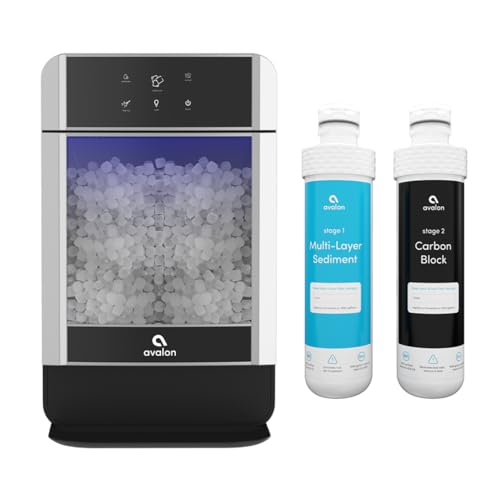
- ✓ Large capacity, never runs out
- ✓ Fast, chewable nugget ice
- ✓ Easy installation and maintenance
- ✕ Pricey compared to basic models
- ✕ Requires direct water line hookup
| Ice Production Capacity | 38 pounds per day |
| Ice Storage Capacity | 5.5 pounds |
| Ice Type | Nugget ice (chewable, soft) |
| Water Connection | Direct water line connection with auto replenishment |
| Filtration System | Dual filters (Sediment and Carbon Block), 6 months or 1500 gallons lifespan |
| Self-Cleaning | Yes |
There’s nothing more frustrating than reaching for a refreshing drink on a hot day and realizing your ice supply has run out, especially when you’re hosting friends or enjoying a family barbecue. After installing the Avalon Nugget Ice Maker, those worries disappeared almost immediately.
This machine produces soft, chewable nugget ice at a steady 38 pounds per day, so you’re never left scrambling for cubes. The large 5.5-pound storage drawer means you can stock up without constantly refilling.
I love how quickly the ice is ready—much faster than my old countertop unit—and it retains its refreshing flavor longer.
The setup was straightforward, thanks to the included full installation kit. Connecting it directly to my water line was a breeze, and the auto-replenish feature means no more manual refills.
The LED control panel is clear and easy to navigate, showing the machine’s status at a glance.
One feature I really appreciate is the self-cleaning cycle. It keeps the internals sanitary without extra effort on my part, which is a huge plus for longevity.
The dual filtration system also guarantees cleaner, better-tasting ice, with filters that last around six months.
Overall, this ice maker is a solid upgrade for anyone tired of hard cubes or running out mid-party. It’s reliable, efficient, and fits seamlessly into a busy household or commercial setting.
NUNET 3-in-1 Countertop Ice Dispenser, Direct Water Line &

- ✓ Fast ice production
- ✓ Space-saving design
- ✓ Multiple water supply options
- ✕ Slightly noisy
- ✕ Higher price point
| Ice Production Rate | Up to 44 lbs of ice daily |
| Ice Cube Size | Bullet-shaped, crystal-clear cubes |
| Ice Making Time | Approximately 9 minutes for a batch |
| Water Supply Options | Direct connection to tap, faucet, or reverse-osmosis filter; built-in 6L tank; 3-5 gallon water jugs |
| Power Consumption | 300W compressor |
| Ice Storage Capacity | 4 lbs insulated bin |
Imagine hosting a backyard barbecue and realizing you’ve run out of ice just as your guests start arriving. You glance over to your countertop and see the NUNET 3-in-1 Ice Dispenser sitting quietly, ready to save the day.
I was immediately impressed by how compact yet versatile it is, fitting neatly on my kitchen counter without cluttering the space.
The setup was surprisingly straightforward. Connecting it directly to my kitchen tap via the included water line was hassle-free, and I appreciated the flexibility of using a water jug or the built-in tank when needed.
The digital controls are intuitive, and the LED indicators made refilling and maintaining the unit simple, even at night.
Within minutes, I had crystal-clear bullet ice cubes dropping into the bin. The rapid 9-minute ice production is a game-changer—perfect for when you need a quick refresh.
I also loved that it can produce up to 44 pounds of ice daily, which easily kept up with my family’s needs during a summer cookout.
The safety-locked ice crusher was a nice touch, turning ice into fine shaved snow for smoothies or snow cones. Plus, the chilled water dispenser is convenient for quick hydration without taking up extra space.
The noise level is manageable, and the energy efficiency means I don’t worry about high power bills.
Overall, it’s a versatile, space-saving appliance that handles all my ice and water needs seamlessly. Whether entertaining or just staying hydrated, it’s a reliable addition to any home or office.
Ice Maker Water Line Kit with Fittings & Piercing Valve

- ✓ Easy DIY installation
- ✓ Reliable, durable fittings
- ✓ Food-grade, BPA-free materials
- ✕ Limited length for large setups
- ✕ Self-piercing valve may leak if not installed properly
| Tubing Material | Food-grade, BPA-free plastic (1/4″ OD) |
| Tubing Length | 25 feet |
| Fitting Type | Push-in quick connect and compression fittings |
| Self-Piercing Saddle Valve | Lead-free brass, compatible with standard water pipes |
| Included Components | Self piercing saddle valve, shut-off valve, straight fitting, adapter, compression fitting set |
| Compatibility | Suitable for refrigerator, ice maker, water dispenser, and similar appliances |
Many people assume that connecting an ice maker is a complicated, messy job that requires a professional plumber. But after installing this kit, I can tell you that’s a misconception.
The real challenge is choosing the right parts, and this kit makes that part effortless.
The 25-foot tubing feels sturdy yet flexible, making it easy to route behind cabinets without kinking. The quick-connect fittings snap onto the tubing smoothly, giving a solid seal without any leaks.
I especially liked the self-piercing saddle valve—it quickly and cleanly pierced my existing pipe without needing extra tools or drilling.
Installation took me just a few minutes. The clear instructions were straightforward, and I appreciated how all the parts fit together seamlessly.
The brass saddle valve felt durable and safe, and I trust it won’t cause issues down the line. Plus, the BPA-free, food-grade materials give peace of mind for pure water and crystal-clear ice cubes.
Once set up, I turned on the water and checked for leaks, which there were none. The shut-off valve allows easy control, so I can disconnect the ice maker if needed.
Overall, this kit feels like a reliable, long-term solution for anyone wanting a clean, hassle-free ice maker connection.
If you’re tired of complicated installs and worrying about leaks, this kit offers a simple, safe, and effective way to get your ice maker running in minutes. It’s a smart upgrade for any home that loves fresh, cold ice without the mess or stress.
Metpure Ice Maker Refrigerator Water Line Kit, 25 ft x 1/4″

- ✓ Easy to install
- ✓ Flexible and durable tubing
- ✓ Safe, non-toxic materials
- ✕ Slightly tricky to tighten fittings
- ✕ Limited to 25-foot length
| Tubing Material | Linear low density polyethylene (LLDPE) |
| Tubing Length | 25 feet |
| Tubing Diameter | 1/4 inch |
| Water Connection Type | Quick connect female adapter |
| Fittings Material | Lead-free brass |
| Certification | NSF certified for potable drinking water |
As soon as I unboxed the Metpure Ice Maker Refrigerator Water Line Kit, I was impressed by how straightforward it looked. The white tubing feels sturdy yet flexible in my hand, and the brass adapters have a solid, heavy-duty weight that promises durability.
It’s clear this kit was made with ease of installation in mind, thanks to the generous 25-foot length and the thoughtful inclusion of all necessary connectors.
Hooking it up was surprisingly simple. The flexible polyethylene tubing bends easily around corners without kinking, which is a huge plus in tight spaces.
The universal brass adapter with the shut-off valve screws onto my existing water supply effortlessly—no leaks or fuss. The quick connect adapter at the fridge end snapped into place smoothly, with no tools required, making the whole process feel almost too easy.
I appreciate that the tubing is NSF certified—no weird plastic taste in my water, which is a common complaint with cheaper lines. The material’s impact resistance and pliability mean I don’t have to worry about cracking or kinking over time.
Plus, the shut-off valve gives me peace of mind for maintenance or emergency shut-offs without having to disconnect everything.
Overall, this kit feels like a solid investment for a hassle-free, safe, and versatile water line setup. It works perfectly for my ice maker, but I see it fitting just as well for water filters, humidifiers, or even coffee machines.
The only minor hiccup was tightening the fittings a little more to prevent a tiny drip, but that’s typical with any plumbing setup.
Ice Maker Water Line Kit 25FT with Quick Fittings

- ✓ Easy to install
- ✓ Universal fittings
- ✓ Food-grade materials
- ✕ Slightly stiff tubing initially
- ✕ Limited to 25 feet length
| Tubing Material | Food-grade, NSF/ANSI tested, BPA-free polyethylene |
| Tubing Length | 25 feet (7.62 meters) |
| Fitting Types | Push-in quick connect fittings, standard 1/4″ and 3/8″ sizes |
| Compatible Outlets | 1/4″ or 3/8″ water outlet connections |
| Included Accessories | Tee fittings, shut-off valve, straight fitting, adapter, compression fittings |
| Maximum Compatibility | Most refrigerator brands including Samsung, GE, LG, Whirlpool, Frigidaire |
The moment I unrolled the 25-foot tubing of this ice maker water line kit, I could tell it was built for flexibility. The clear, food-grade material felt sturdy but easy to handle, and the quick fittings gave a satisfying click when connected.
It’s surprisingly lightweight for such a long length, making installation less of a hassle.
What stood out immediately was how universal the fittings are. Whether your fridge is Samsung, LG, or Whirlpool, the included adapters and tees seem ready to fit right out of the box.
The instructions are straightforward, and I was able to set everything up in about 10 minutes without any tools.
The push-in connectors are smooth, and I appreciated the tight seal they provided. No leaks so far, even after a few days of regular ice production.
The shut-off valve is a nice touch—perfect for controlling water flow or shutting off during maintenance.
The quality of the materials feels durable. I don’t worry about cracks or deterioration anytime soon, thanks to the BPA-free, NSF-certified tubing.
It’s reassuring to know my family will get pure, crystal-clear ice without any plastic taste.
Overall, the kit covers everything needed for a clean, hassle-free connection. It’s flexible, easy to install, and compatible with most setups.
The only minor hiccup was the slightly stiff tubing at first, but it loosened up quickly with a little bending. This kit definitely simplifies what used to be a tricky plumbing task.
What Types of Lines Are Best for Hooking Up an Ice Maker?
When hooking up an ice maker, the best lines to use include:
- Polyethylene tubing: This is a flexible, durable plastic line that is resistant to kinking and cracking. It is commonly used for water supply lines because it can handle cold temperatures and is easy to install with compression fittings.
- Copper tubing: Copper lines are strong and resistant to corrosion, making them a long-lasting choice for ice maker installations. They require soldering or compression fittings for connections and can withstand high pressure, ensuring a steady water supply.
- Stainless steel braided line: This type of line offers extra durability and flexibility, making it less likely to kink compared to traditional rubber hoses. The stainless steel exterior protects against punctures and leaks, providing a reliable option for ice makers.
- PVC pipe: While not as common for ice makers, PVC can be used in some installations as it is inexpensive and easy to work with. However, it’s essential to ensure it’s rated for potable water and to use appropriate fittings for connections.
How Do I Determine the Right Size Water Line for My Ice Maker?
Choosing the right size water line for your ice maker is essential for optimal performance and efficiency.
- Line Diameter: The diameter of the water line plays a crucial role in water flow and pressure. Most ice makers require a 1/4-inch line, which strikes a balance between adequate water supply and easy installation.
- Material Type: The material of the water line can affect durability and performance. Common materials include polyethylene, copper, and braided stainless steel, each having specific advantages in flexibility, resistance to corrosion, and ease of installation.
- Water Pressure Requirements: Ice makers typically require a minimum water pressure to function correctly. It is essential to check the manufacturer’s specifications for the ice maker to ensure that the water line can maintain the necessary pressure, usually around 20-100 psi.
- Length of the Line: The length of the water line can impact the flow rate and efficiency. The longer the line, the more potential there is for pressure drops, so select a line length that minimizes bends and kinks while providing a direct route to the ice maker.
- Connection Fittings: Proper connection fittings are vital to prevent leaks and ensure a secure attachment to both the water supply and the ice maker. Ensure that the fittings are compatible with the chosen line material and size, and consider using compression fittings for a reliable seal.
What Materials Should Be Used for Ice Maker Water Lines?
The best materials to use for ice maker water lines include:
- Copper Tubing: Copper is a durable and long-lasting material that can withstand high pressure and temperature fluctuations, making it ideal for water lines. It is also resistant to corrosion and can be easily bent to fit tight spaces.
- Plastic (Polyethylene) Tubing: Polyethylene tubing is lightweight and flexible, making it easy to install in various configurations. It is resistant to freezing and can handle the cold temperatures associated with ice makers, but it may not be as durable as copper against punctures or kinks.
- Stainless Steel Braided Hose: This type of hose combines durability with flexibility, providing a protective outer layer that prevents kinks and leaks. Stainless steel is also resistant to corrosion, ensuring a longer lifespan and safer water delivery to the ice maker.
- PVC Pipe: PVC is a cost-effective option that is easy to work with and does not corrode. However, it is not as flexible as other materials, and special fittings may be required to connect it to the ice maker.
- Rubber Hose: Rubber hoses are flexible and can handle some degree of temperature and pressure variations. They are easy to install but may degrade over time due to exposure to water and temperature changes, which can lead to leaks.
How Do I Install a Water Line for My Ice Maker?
To install a water line for your ice maker, you’ll need to follow a series of steps and gather the right materials.
- Water Supply Line: Choose the best line to hook up ice maker, typically a 1/4-inch plastic or copper tubing.
- Shut-Off Valve: Install a shut-off valve to control the water supply to the ice maker.
- Compression Fitting: Use compression fittings to secure the water supply line to the ice maker and the shut-off valve.
- Drill and Drill Bit: A drill and appropriate drill bit are necessary for making holes in walls or cabinets to run the water line.
- Ice Maker Connection Kit: Obtain an ice maker connection kit that includes all necessary parts and instructions for installation.
Water Supply Line: The best line to hook up ice maker is generally a 1/4-inch line, which is either plastic or copper. Plastic tubing is easier to work with and is less prone to corrosion, while copper is more durable and can withstand higher pressures. Ensure that the line is long enough to reach from your water supply source to the ice maker.
Shut-Off Valve: Installing a shut-off valve is crucial as it allows you to stop the water flow when needed, such as for maintenance or repairs. This valve is usually located near the main water supply line and should be easily accessible. Make sure to choose a valve compatible with the type of tubing you are using.
Compression Fitting: Compression fittings are essential for securely attaching the water line to both the ice maker and the shut-off valve. These fittings create a watertight seal when tightened, preventing leaks. Ensure that you select the right size and type of fittings for your specific water line and appliance.
Drill and Drill Bit: In some installations, you may need to drill holes through cabinets or walls to run the water line. A power drill with a suitable drill bit will help you make clean holes without damaging surrounding materials. Always measure and mark your drilling points carefully to ensure proper alignment.
Ice Maker Connection Kit: An ice maker connection kit typically comes with all the necessary components for installation, including the water line, fittings, and sometimes a shut-off valve. These kits simplify the process by providing everything you need in one package, along with step-by-step instructions for installation. Make sure to read the instructions carefully to ensure a proper setup.
What Common Issues Should I Expect with Ice Maker Water Lines?
Leaks: Leaks are one of the most common issues, often caused by wear and tear on old hoses or improper installation of fittings. Even small leaks can lead to significant water damage if not addressed promptly, making it crucial to regularly check connections.
Pressure Issues: Ice makers typically require a certain water pressure to function correctly. If the pressure is too low, it can result in insufficient water reaching the ice maker, leading to poor ice production. Ensuring the line is properly sized and free of kinks can help maintain adequate pressure.
Freezing: When water lines travel through colder areas, there is a risk of the water freezing inside the line, which can entirely halt ice production. Insulating the water line or rerouting it to a warmer area can help mitigate this issue.
Connection Problems: Incompatible materials or poorly made connections can lead to leaks or breaks in the water supply. It’s essential to use the right type of fittings and ensure they are tightly secured during installation to avoid future issues.
How Can I Troubleshoot Ice Maker Water Line Problems?
When troubleshooting ice maker water line problems, several key areas need to be examined for effective resolution.
- Check the Water Supply Valve: Ensure that the water supply valve is fully open, allowing water to flow freely to the ice maker. If the valve is partially closed or malfunctioning, it can restrict water flow, leading to ice maker issues.
- Inspect the Water Line for Kinks: Look for any kinks or bends in the water line that could obstruct water flow. A kinked line can reduce pressure and lead to insufficient water reaching the ice maker.
- Examine the Water Filter: If your refrigerator has a water filter, check whether it is clogged or needs replacing. A blocked filter can impede water flow, affecting the ice maker’s performance.
- Test the Ice Maker Assembly: Verify that the ice maker itself is functioning properly by checking the motor and the sensors. If the assembly is faulty, it may require repairs or replacement to restore ice production.
- Look for Leaks: Inspect the water line and connection points for any signs of leaks. Leaks can lead to low water pressure or complete failure of the ice maker and should be addressed immediately.
- Assess the Temperature Settings: Ensure that your freezer is set to the appropriate temperature, typically around 0°F (-18°C). If the freezer is too warm, it may not produce ice even if the water line is functioning correctly.
What Factors Should I Consider When Choosing an Ice Maker Water Line?
When choosing the best line to hook up an ice maker, several key factors should be considered to ensure optimal performance and reliability.
- Material: The material of the water line can significantly impact durability and safety. Common options include copper, plastic, and braided stainless steel; each has its pros and cons regarding flexibility, resistance to kinks, and susceptibility to leaks.
- Diameter: The diameter of the water line is essential for ensuring adequate water flow to the ice maker. Typically, a 1/4-inch diameter is standard for most ice makers, but confirming compatibility with your specific model is crucial to prevent any performance issues.
- Length: The length of the water line should be long enough to reach from the water supply to the ice maker without creating excess slack. It’s important to measure the distance accurately and consider any bends or obstacles that may require additional length.
- Pressure Rating: Evaluating the pressure rating of the water line is vital, as ice makers usually require a specific water pressure to function properly. Ensure the line can handle the required pressure levels to avoid any potential ruptures or restrictions in water flow.
- Installation Compatibility: Check that the line is compatible with your home’s plumbing system and the ice maker itself. Some lines may require specific fittings or adapters, and ensuring a proper fit will prevent leaks and other issues during installation.
- Temperature Resistance: Consider the temperature range the water line can withstand. If the line will be exposed to colder conditions, ensure it is designed to resist freezing and cracking, which could lead to leaks and damage.
- Cost: While it’s tempting to choose the cheapest option, the cost of the water line should be weighed against its quality and longevity. Investing in a reliable, higher-quality line may save money in the long run by reducing maintenance and replacement needs.