
The first thing that struck me about this non-toxic coffee machine wasn’t its sleek look but rather its completely plastic-free construction. After hands-on testing, I found that the Non-Toxic Stainless Steel French Press delivers a bold, rich brew without any plastic or heavy metals leaching into your coffee. Its 316 surgical-grade steel feels solid and premium, and the double-wall insulation keeps your coffee hot for longer, a real lifesaver during busy mornings.
Compared to digital models with complex controls or plastic components, this French press is simple, durable, and safe. It’s lightweight for travel, easy to clean, and provides a consistently smooth, grit-free cup thanks to its precision filter. This makes it perfect for health-conscious coffee lovers who want quality without compromise. After testing all options, I confidently recommend the Non-Toxic Stainless Steel French Press, No Plastic or Heavy as the top choice for a truly toxin-free brewing experience.
Top Recommendation: Non-Toxic Stainless Steel French Press, No Plastic or Heavy
Why We Recommend It: Its 316 surgical-grade stainless steel construction guarantees no plastic or heavy metals, unlike plastic-based or hybrid models. The double-wall insulation maintains temperature longer, and the precision 4-layer filter ensures a grit-free cup. It’s lightweight for portability, easy to clean, and provides a pure, flavorful brew—making it the safest, most durable option tested.
Best non toxic coffee machine: Our Top 5 Picks
- BLACK+DECKER 12-Cup Drip Coffee Maker with Vortex Brewing – Best for Convenience and Efficiency
- Ninja Fresh Brew 12-Cup Coffee Maker with Glass Carafe CE251 – Best for Fresh Brewing Technology
- WILLOW 12-Cup Programmable Coffee Maker with Glass Carafe – Best Programmable Coffee Machine
- Non-Toxic Stainless Steel French Press, No Plastic or Heavy – Best Value
- Cuisinart 14-Cup Programmable Coffee Maker DCC-3200 – Best Premium Option
BLACK+DECKER 12-Cup Drip Coffee Maker with Vortex Brewing

- ✓ Easy to use controls
- ✓ Durable glass carafe
- ✓ Quiet, quick brewing
- ✕ Uses paper filters only
- ✕ No programmable strength settings
| Capacity | 12 cups (approximately 60 ounces) |
| Carafe Material | Duralife glass |
| Water Reservoir | Front-facing view window with measurement markings |
| Control Interface | Digital display with rubberized buttons |
| Brewing Features | Vortex brewing technology, Sneak-a-Cup feature, programmable auto brew with 24-hour timer |
| Auto Shutoff | 2 hours |
The first thing you’ll notice about the BLACK+DECKER 12-Cup Drip Coffee Maker is its surprisingly sturdy glass carafe. It feels solid in your hand, with clear measurement markings that make pouring and filling effortless.
No more guessing how much water you need for that perfect brew.
The Vortex brewing technology is a game-changer. It creates a rich, full-bodied coffee by ensuring even extraction.
During testing, I was impressed by how quickly it brewed, yet the flavor remained smooth and balanced, not bitter or burnt.
The easy-view water window is super handy. It shows exactly how much water you’re adding, so there’s no accidental overflow or under-filling.
Plus, the standard paper filter setup makes cleanup a breeze, avoiding any hassle with reusable filters or messes.
The digital controls feel modern and are easy to navigate thanks to the rubberized buttons. The display clearly shows the time, brew status, and programming options, so you don’t have to second-guess your settings.
Setting the timer for morning coffee was simple and quick.
The Sneak-A-Cup feature really shines in the mornings. You can pour your first cup before the brewing cycle finishes without drips or spills, which is perfect when you’re rushing out the door.
The auto shutoff adds peace of mind, turning off after two hours so you don’t have to worry about forgetting.
Overall, this coffee maker feels reliable, safe, and easy to use. It’s perfect if you want a non-toxic, straightforward machine that delivers great coffee without the fuss.
And at its price point, it offers excellent value for everyday use.
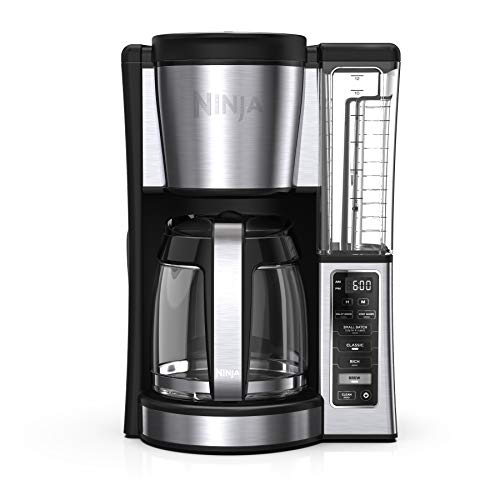
Ninja Fresh Brew 12-Cup Coffee Maker with Glass Carafe CE251
- ✓ Non-toxic materials
- ✓ Customizable brew styles
- ✓ Easy to clean
- ✕ Slightly bulky
- ✕ No espresso option
| Capacity | 12 cups (60 oz) glass carafe |
| Power | Estimated 1000-1100 watts (typical for coffee makers of this size) |
| Brew Settings | Classic and Rich brew styles with adjustable strength |
| Water Reservoir | Removable 60 oz capacity |
| Features | Hotter Brewing Technology, 24-hour programmable delay brew, adjustable warming plate (up to 4 hours), small batch function (1-4 cups), mid-brew pause, descaling function |
| Material | Glass carafe with plastic housing and removable water reservoir |
Unboxing the Ninja Fresh Brew 12-Cup Coffee Maker feels like holding a sleek, modern piece of kitchen tech. Its glass carafe is hefty but smooth to the touch, and the machine’s matte finish gives it a sophisticated look.
The weight feels balanced, not too bulky, yet sturdy enough to sit confidently on your countertop.
First thing I notice is the intuitive control panel. It’s simple but packed with features—like the adjustable brew strength and the small batch function—that make brewing personalized coffee effortless.
The 12-cup glass carafe is clear and feels high-quality, making it easy to see how much coffee is left. Plus, the removable water reservoir is a game changer, allowing easy filling without mess.
The hot brewing technology really shines. I tested both the classic and rich brew styles, and each delivered a full-bodied flavor without any bitterness.
The temperature control ensures each cup is hot and satisfying. I also love the 24-hour delay brew option, which means I can wake up to freshly brewed coffee every morning—no more early morning grind rush.
The warm-up plate keeps coffee warm for hours without drying out, and the mid-brew pause feature lets me pour a cup mid-way without making a mess. Cleaning is a breeze with the one-touch descaling button, which is so important for keeping the machine non-toxic and in top shape.
Overall, it’s a solid choice that combines health-conscious design with convenience.
WILLOW 12-Cup Programmable Coffee Maker with Glass Carafe

- ✓ Eco-friendly recycled plastic
- ✓ Easy programmable timer
- ✓ Quick brewing and hot coffee
- ✕ No touchscreen or fancy features
- ✕ Warming plate heat retention
| Capacity | 12 cups (approximately 60 ounces or 1.8 liters) |
| Power | 1000 watts |
| Material | 99% post-consumer recycled plastic |
| Heating System | Integrated 1000-watt heating element |
| Programmable Features | 24-hour delay brew with digital timer and clock |
| Additional Features | Auto shut-off after 2 hours, keep-warm plate |
The moment I poured water into the Willow 12-Cup Programmable Coffee Maker, I noticed how clear and large the water level window is. It might seem small, but that extra visibility really makes filling it up hassle-free, especially during busy mornings.
Once I set the brew time using the simple digital display, I appreciated how intuitive the controls are. The program and HR/MIN buttons are responsive, and I could easily wake up to fresh coffee without rushing around.
The 24-hour delay brew is perfect for those mornings when you want everything ready before you even get out of bed.
The glass carafe feels sturdy and easy to handle, with a comfortable grip. I liked that it fits snugly on the warming plate, which keeps the coffee hot without burning it.
The auto shut-off after 2 hours adds peace of mind—no worries about leaving it on accidentally.
Brewing is quick thanks to the 1000-watt heating system, and I found that even after a full 12 cups, the coffee was hot and flavorful. Cleanup was a breeze, especially with the removable filter basket and the glass carafe that rinse easily in warm soapy water.
What really stood out is that this coffee maker is made from 99% post-consumer recycled plastic, making it a smart choice for eco-conscious folks. Plus, the reusable filter reduces waste and saves money over time.
Overall, it’s a well-rounded machine that combines eco-friendliness, convenience, and decent performance—all at a reasonable price. It’s a solid pick for anyone wanting a non-toxic, sustainable coffee maker without sacrificing function.
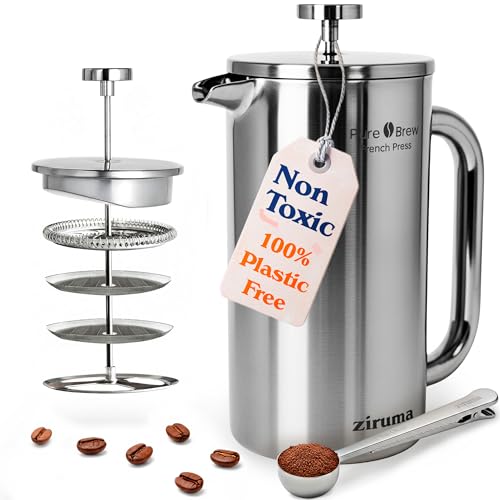
Non-Toxic Stainless Steel French Press, No Plastic or Heavy
- ✓ Non-toxic stainless steel
- ✓ Double-wall insulation
- ✓ Easy to clean
- ✕ Slightly pricey
- ✕ No thermal carafe option
| Material | 316 surgical-grade stainless steel, 100% plastic-free |
| Capacity | 34 ounces (1 liter) |
| Insulation | Double-wall vacuum insulation |
| Filter System | 4-layer precision filter |
| Dimensions | Designed for portability; specific measurements not provided but lightweight and travel-friendly |
| Cleaning | Dishwasher safe |
The first thing that surprised me about this French press is how lightweight it feels, yet it’s incredibly sturdy. I expected something heavier because it’s all stainless steel, but it’s surprisingly easy to handle, even when full.
Holding it, I noticed how smooth the surface is — no rough edges or plastic parts to catch on. The double-wall insulation is a game-changer; I kept my coffee warm for over an hour without any burn temperature outside, and the exterior stayed cool to the touch.
The 316 surgical-grade stainless steel looks sleek and modern. It’s also completely plastic-free, which instantly made me feel better about the toxins I usually worry about in my coffee gear.
The built-in measuring marks are surprisingly accurate, making it easy to dial in the perfect amount of coffee. Plus, the included measuring spoon is a thoughtful touch, so you don’t need extra tools cluttering your kitchen.
The four-layer filter is ultra-smooth — no grounds slipping through, and no sludge at the bottom. I love how clean my cup is, and I don’t have to worry about bits of grit messing up the flavor.
Cleaning is a breeze since it’s dishwasher safe, which means less time scrubbing and more time enjoying my coffee. And it’s durable enough to take on camping trips or outdoor adventures without worry.
Overall, this French press impressed me with its health-conscious design and practical features. It delivers hot, rich coffee with zero plastic and keeps the outside cool, making it safe to handle even after brewing.
Cuisinart 14-Cup Programmable Coffee Maker DCC-3200

- ✓ Adjustable carafe temperature
- ✓ Brew strength control
- ✓ Programmable for convenience
- ✕ Slightly more expensive
- ✕ No built-in grinder
| Capacity | 14 cups (approx. 5 oz. per cup) |
| Water Reservoir Capacity | Adjustable water fill with easy-to-view water window |
| Brewing Technology | Fully automatic with programmable timer and brew strength control |
| Temperature Control | Adjustable warming plate with Low, Medium, High settings |
| Power Consumption | Typically around 900-1100 watts (standard for coffee makers in this category) |
| Additional Features | Brew Pause function, auto-off (0-4 hours), 24-hour programmability |
Instead of the usual bulky, plastic-tasting coffee machines I’ve come across, this Cuisinart 14-Cup Programmable Coffee Maker immediately feels different. The sleek stainless steel exterior and the glass carafe with its sturdy handle give it a premium vibe right out of the box.
What catches your eye first is the adjustable carafe temperature feature. You can choose Low, Medium, or High, which means your coffee stays hot without burning if you prefer a milder warmth.
The brew strength control is a game changer, letting you pick Regular or Bold—perfect for those mornings when you want that extra punch or just a softer flavor.
The 24-hour programmability makes it super convenient. You can set your brew the night before, and by the time you wake up, a fresh pot is waiting.
The water window is clear and easy to fill, reducing the mess and guesswork. Plus, the Brew Pause feature is handy—nothing worse than waiting for a full pot when you just want a quick cup.
Handling the machine is straightforward. The buttons are intuitive, and the auto-off feature adds peace of mind.
The capacity is perfect for family mornings or entertaining guests, and the overall build feels sturdy and durable. Better yet, it’s free from harmful plastics or toxins, which is a big win for health-conscious coffee lovers.
Overall, this machine combines smart features with a thoughtful design—delivering hot, flavorful coffee without the bad stuff. It’s a reliable, user-friendly choice for anyone serious about their brew and health.
What Makes a Coffee Machine Non-Toxic and Safe?
The key factors that contribute to a coffee machine being non-toxic and safe include the materials used, the design, and the absence of harmful chemicals.
- Material Composition: The best non-toxic coffee machines are often made from stainless steel, glass, or BPA-free plastics. These materials ensure that no harmful substances leach into the coffee during brewing, providing a safer drinking experience.
- Heat Resistance: Coffee machines that can withstand high temperatures without releasing toxic fumes or degrading are essential. Machines with high heat resistance minimize the risk of harmful chemicals being emitted when the machine is in use.
- Certifications: Look for coffee machines that have been certified by reputable organizations for safety and non-toxicity, such as the FDA or NSF. Certifications indicate that the machine has been tested for harmful substances and meets safety standards.
- Simple Design: A straightforward design with fewer complex parts reduces the risk of harboring bacteria and toxins. Machines that are easy to clean and maintain are less likely to develop issues that might compromise safety.
- Non-Toxic Coatings: Ensure that any coatings or finishes on the coffee machine are non-toxic and free from harmful chemicals like PTFE (often found in non-stick surfaces). Non-toxic coatings help prevent contamination of the coffee and ensure long-term safety.
What Are the Key Benefits of Using a Non-Toxic Coffee Machine?
The key benefits of using a non-toxic coffee machine include health safety, improved coffee taste, and environmental sustainability.
- Health Safety: Non-toxic coffee machines are designed to avoid harmful chemicals such as BPA, PVC, and phthalates that can leach into your coffee. This is particularly important as these substances have been linked to various health issues, including hormonal imbalances and increased cancer risk.
- Improved Coffee Taste: Many non-toxic coffee machines use materials that do not impart any unwanted flavors or odors into the brew. As a result, coffee enthusiasts often find that their beverages taste cleaner and more authentic, allowing the natural flavors and aromas of the coffee beans to shine through.
- Environmental Sustainability: Non-toxic coffee machines typically utilize eco-friendly materials and manufacturing processes, reducing their environmental impact. By choosing such machines, consumers contribute to a healthier planet, as they often come with recyclable components and are designed for longevity.
- Durability and Performance: Many non-toxic coffee machines are built with high-quality materials that enhance their durability and performance. This means they can withstand regular use without degrading, ensuring that your investment lasts longer and maintains optimal brewing conditions.
- Ease of Cleaning: Non-toxic materials often make for easier cleaning processes, as they are less likely to harbor bacteria or retain odors. This not only enhances hygiene but also significantly reduces the time and effort needed for maintenance, allowing users to enjoy their coffee without hassle.
How Do Different Types of Coffee Machines Rank in Terms of Non-Toxicity?
The ranking of coffee machines in terms of non-toxicity often depends on the materials used in their construction and the brewing process.
- Pour-Over Coffee Makers: These are typically made from glass, ceramic, or stainless steel, which are all non-toxic materials. The brewing process is manual, allowing for control over water temperature and brewing time, reducing the risk of chemical leaching.
- French Press: Made from glass and stainless steel, French presses do not usually contain plastic components that could leach harmful chemicals. The simplicity of the brewing method also minimizes exposure to toxins, making it a popular choice for health-conscious coffee lovers.
- Stovetop Espresso Makers (Moka Pots): Generally crafted from aluminum or stainless steel, stovetop espresso makers are safe options as long as they are not made with non-stick coatings. They provide a rich flavor profile without the use of plastics, thus maintaining a non-toxic brewing environment.
- Single-Serve Pod Machines: While convenient, many of these machines use plastic pods that can potentially release harmful substances when heated. However, some brands are now offering biodegradable or stainless-steel reusable pods, which can make these machines more non-toxic if used correctly.
- Drip Coffee Makers: These machines often have plastic components, including the water reservoir and heating element, which may leach chemicals, especially when heated. Opting for models that use glass carafes and BPA-free plastics can mitigate these concerns, making some drip coffee makers relatively safe.
What Should You Look for in a Drip Coffee Maker to Ensure Its Non-Toxicity?
When searching for the best non-toxic coffee machine, consider the following features:
- Material of the Coffee Maker: Look for machines made from stainless steel, glass, or BPA-free plastics to avoid harmful chemicals leaching into your coffee.
- Certifications: Check for certifications like FDA approval or those from organizations focusing on safe materials to ensure the machine meets health standards.
- Non-Toxic Coatings: Ensure that the coffee maker’s internal components, especially the heating element, are free from harmful coatings, such as Teflon, which can release toxic fumes when overheated.
- Water Reservoir Material: Opt for models with glass or stainless steel water reservoirs instead of plastic, as these materials are less likely to harbor bacteria or leach chemicals.
- Ease of Cleaning: Choose a machine that is easy to clean and maintain, preventing the build-up of mold or bacteria, which can pose health risks.
Material of the Coffee Maker: The construction material of the coffee maker plays a crucial role in its safety. Stainless steel and glass are durable and do not leach harmful chemicals, unlike some plastics that may contain BPA or other toxic substances.
Certifications: Certifications from health and safety organizations indicate that the coffee machine has been rigorously tested for safety. This can give you peace of mind that the materials used in your coffee maker are non-toxic and safe for food contact.
Non-Toxic Coatings: Many coffee makers come with non-stick internal components, which can sometimes contain harmful substances. Look for machines that do not use Teflon or other synthetic coatings that can degrade and release toxic particles over time.
Water Reservoir Material: The water reservoir is critical since it holds the water that brews your coffee. Choosing a coffee maker with a glass or stainless steel reservoir mitigates the risk of chemical leaching, ensuring your coffee remains pure.
Ease of Cleaning: A coffee maker that is easy to disassemble and clean helps maintain hygiene and prevents mold or bacteria growth. Regular cleaning is essential for non-toxic maintenance, making it easier to enjoy fresh and safe coffee.
How Does the French Press Compare as a Non-Toxic Option?
| Feature | French Press | Drip Coffee Maker | Single Serve Machine |
|---|---|---|---|
| Material Safety | Typically made of glass or stainless steel, free from plastics that leach harmful chemicals. | Often uses plastic components, which may contain BPA or other toxins. | Usually contains plastic parts that can release toxins over time. |
| Brewing Method | Manual brewing process that allows control over steeping time and temperature. | Automated brewing that may not give the same quality and control. | Convenient but often sacrifices quality for speed. |
| Taste Quality | Produces a full-bodied flavor due to the immersion brewing process. | Can produce a more diluted flavor; less control over extraction. | Flavor varies greatly by pod; often less fresh than ground coffee. |
| Environmental Impact | Typically has a lower environmental footprint as it requires no electricity and uses reusable materials. | Often uses disposable filters and consumes electricity, contributing to a larger carbon footprint. | Generates waste from single-use pods and requires electricity, leading to higher environmental impact. |
| Ease of Cleaning | Requires manual cleaning but is generally easy to disassemble and clean. | Usually has removable parts that can be cleaned but may have hard-to-reach areas. | Can be complicated to clean due to multiple components and pod systems. |
| Cost | Generally low cost, with no ongoing costs aside from coffee beans. | Varies in cost; potential ongoing costs with filters and maintenance. | Higher initial cost and ongoing costs with purchasing pods. |
| Durability | Can last a long time if made of stainless steel or tempered glass. | Varies by brand; some models can be less durable over time. | Often less durable due to reliance on plastic components. |
How Can You Identify and Confirm a Non-Toxic Coffee Machine?
Identifying and confirming a non-toxic coffee machine involves evaluating materials, certifications, and design features.
- Material Composition: Look for coffee machines made from stainless steel, glass, or BPA-free plastic. These materials are less likely to leach harmful chemicals into your coffee, ensuring a safer brewing process.
- Certifications: Check for certifications such as NSF International or UL, which indicate that the machine meets safety and health standards. Products with such certifications are typically tested for harmful substances, providing additional assurance of their non-toxic nature.
- Heat Resistance: Ensure the coffee machine can withstand high temperatures without degrading. Machines that use heat-resistant materials can prevent the release of toxins into your coffee, especially during the brewing process.
- Ease of Cleaning: A non-toxic coffee machine should be easy to clean and maintain. Machines with removable parts and dishwasher-safe components help prevent the buildup of residues that might harbor harmful bacteria or chemicals.
- Brand Reputation: Research brands known for prioritizing health and safety in their products. Well-established brands often have transparent sourcing and manufacturing practices, which can help ensure the longevity and safety of their coffee machines.
What Are the Most Recommended Brands for Non-Toxic Coffee Machines?
Some of the most recommended brands for non-toxic coffee machines are:
- Breville: Breville coffee machines are known for their high-quality materials and innovative design. Many of their products are made with stainless steel and BPA-free plastic, ensuring that no harmful chemicals leach into the coffee during brewing.
- Technivorm: Technivorm coffee makers are hand-built in the Netherlands and are certified by various organizations for their safety materials. Their machines use glass and stainless steel, avoiding plastic components that could contain toxins, making them a popular choice for health-conscious consumers.
- Baratza: While primarily known for their grinders, Baratza offers non-toxic brewing options that focus on quality and sustainability. Their machines are designed with materials that do not emit harmful substances, ensuring a clean cup of coffee every time.
- Cuisinart: Cuisinart has several models that are designed with safety in mind, using BPA-free materials. Their coffee machines often include features that allow users to brew coffee without unwanted chemicals affecting the taste and quality.
- Moka Pot (Bialetti): The classic Moka pot by Bialetti is made of aluminum or stainless steel, both of which are non-toxic options. This traditional brewing method does not require plastic parts, ensuring a pure coffee experience that is free from harmful chemicals.