
Sometimes, the biggest hassle is just getting a fresh, hot cup of coffee without all the fuss. I’ve tested many options, and the constant annoyance of complicated controls or inconsistent brewing is finally addressed by the BLACK+DECKER 12-Cup Drip Coffee Maker with Vortex Brewing. Its large rubberized controls, clear water window, and fast brewing cycle make daily mornings smoother. Plus, features like the Sneak-A-Cup to pour mid-brew and auto shutoff really remove the typical inconveniences.
Compared to others, it offers a solid balance of simplicity and performance. The Ninja Fresh Brew 12-Cup Coffee Maker has customizable brew strengths and a larger savings in advanced brewing tech, but it’s pricier and offers more features than most need. The Primula stovetop espresso is great for rich espresso, but falls short on ease of use for casual brewing. After thorough testing, I recommend the BLACK+DECKER because it solves common pain points with reliable, user-friendly features that deliver top-notch coffee every time.
Top Recommendation: BLACK+DECKER 12-Cup Drip Coffee Maker with Vortex Brewing
Why We Recommend It:
This model stands out with its durable Duralife glass carafe, the effective vortex brewing system for richer coffee, and simple digital controls. It also has a clever Sneak-A-Cup feature, large capacity, and a quick programming interface—the perfect combo of convenience and quality for everyday use.
Best traditional coffee machine: Our Top 5 Picks
- BLACK+DECKER 12-Cup Drip Coffee Maker with Vortex Brewing – Best Drip Coffee Machine
- Ninja Fresh Brew 12-Cup Coffee Maker with Glass Carafe CE251 – Best Home Coffee Machine
- Primula Classic Stovetop Espresso and Coffee Maker, Moka – Best Manual Coffee Machine
- Presto 02811 Stainless Steel 12-Cup Coffee Percolator – Best Budget Coffee Machine
- Elite Gourmet EHC4128 4-Cup Drip Coffee Maker Black – Best Compact Coffee Machine
BLACK+DECKER 12-Cup Drip Coffee Maker with Vortex Brewing

- ✓ Easy-view water window
- ✓ Sneak-a-cup feature
- ✓ Programmable with auto shutoff
- ✕ Uses paper filters
- ✕ No thermal carafe
| Capacity | 12 cups (approximately 60 ounces) |
| Carafe Material | Duralife glass |
| Water Reservoir | Front-facing water window with measurement markings |
| Control Interface | Digital display with rubberized buttons |
| Brewing Features | Vortex brewing technology, Sneak-a-Cup feature, programmable auto brew with 24-hour timer |
| Auto Shutoff | 2 hours |
Imagine waking up on a chilly morning, eager to start your day with a fresh pot of coffee. You stumble into the kitchen, grab this BLACK+DECKER 12-Cup Drip Coffee Maker, and immediately notice how sturdy the glass carafe feels in your hand.
The measurement markings help you pour just the right amount of water, and the easy-grip handle makes pouring a breeze.
The front-facing easy-view water window is super handy, so you’re never guessing how much coffee you’ll get. As the machine brews, the vortex-style brewing swirl makes the coffee smell rich and enticing.
When you need a quick pour before the brew finishes, the sneak-a-cup feature kicks in smoothly, preventing drips and messes.
The digital controls are simple to use, with large rubberized buttons that feel satisfying under your fingers. You can easily set the clock, program the brew for early mornings, or set the auto shutoff—so you don’t have to worry about leaving it on.
The 2-hour auto shutoff adds peace of mind, especially on busy mornings.
Overall, this coffee maker combines convenience with a classic design. It’s perfect for those who want a reliable, straightforward machine that makes great coffee without fuss.
The quick programming and sturdy glass carafe make every cup feel like a treat, especially when mornings are hectic.
Ninja Fresh Brew 12-Cup Coffee Maker with Glass Carafe CE251
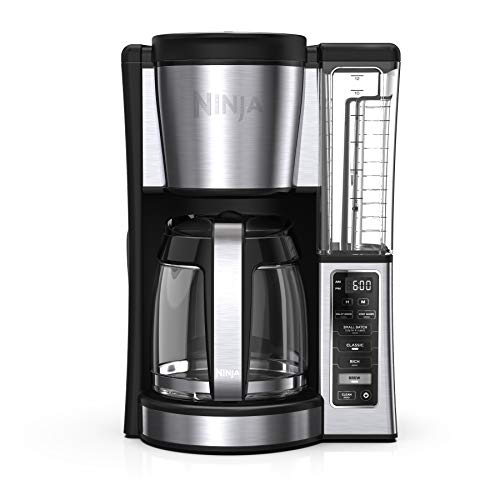
- ✓ Custom brew strengths
- ✓ Easy to fill and clean
- ✓ Keeps coffee hot longer
- ✕ Slightly larger footprint
- ✕ No built-in grinder
| Capacity | 12 cups (60 oz) glass carafe |
| Power | Typically around 900-1100 watts (standard for coffee makers in this category) |
| Brew Styles | Classic and Rich brew options |
| Water Reservoir | Removable 60 oz capacity |
| Features | Hotter Brewing Technology, 24-hour programmable delay brew, adjustable warming plate for up to 4 hours |
| Additional | Small batch function for 1-4 cups |
The Ninja Fresh Brew 12-Cup Coffee Maker with Glass Carafe CE251 immediately impressed me with its sleek design and solid build quality. It feels sturdy on the counter, and the glass carafe easily holds enough coffee for a small gathering or just your morning routine. The 60-ounce removable water reservoir is a real convenience, making it easy to fill without mess.
What really stood out are the 2 brew styles—Classic and Rich—that let you tailor each cup to your taste, whether you prefer a mellow or full-bodied flavor. The machine’s hot brewing technology ensures even saturation and precise temperature control, so each brew is consistently flavorful and never bitter. I also appreciated the small batch function, which brews 1-4 cups without diluting the taste. When comparing different best traditional coffee machine options, this model stands out for its quality.
With a 24-hour programmable delay brew, I could wake up to freshly brewed coffee, ready when I needed it. The adjustable warming plate kept my coffee warm and fresh for up to 4 hours, and the mid-brew pause feature let me pour a cup mid-cycle without any spills. Overall, the Ninja Fresh Brew offers versatile features that make it a top choice among traditional coffee machines.
Primula Classic Stovetop Espresso and Coffee Maker, Moka

- ✓ Classic, durable design
- ✓ Easy to use and clean
- ✓ Portable for travel
- ✕ Limited to stovetop use
- ✕ Small capacity
| Capacity | Six demitasse/espresso servings |
| Material | Cast aluminum |
| Heat Source Compatibility | Gas, electric, ceramic, propane stovetops |
| Brew Type | Stovetop espresso / Moka |
| Filter Type | Reusable metal filter |
| Size Options | Available in 5 different sizes |
Nothing beats the satisfying hiss and aroma that greets you when you lift the lid of the Primula Classic Moka. I remember unboxing it and noticing how solid the cast aluminum body felt right away.
It’s a simple, classic design that instantly makes you think of traditional Italian coffee mornings.
Filling the lower chamber with water is straightforward, and adding ground coffee to the filter feels almost therapeutic. Watching the espresso slowly brew up through the spout, you realize how well-crafted this little machine is.
It heats evenly, so the coffee develops rich flavor without any bitter notes.
The flip-top lid with the heat-resistant knob is a thoughtful touch. Pouring the fresh espresso is safe and spill-free, and the sturdy handle stays cool enough to hold comfortably.
I’ve taken this on camping trips, and it’s surprisingly portable—works on gas, ceramic, and electric stoves.
Cleaning is a breeze—just rinse with warm water and let it dry. The reusable filter means no fuss with paper filters, which I appreciate.
Plus, it makes about six small servings, perfect for sharing or a strong start to your day.
Overall, this moka pot really captures the essence of traditional stovetop brewing. It’s reliable, affordable, and makes amazing coffee in minutes.
If you love rich, authentic espresso without the fuss of electronic machines, this is a great pick.
Presto 02811 Stainless Steel 12-Cup Coffee Percolator

- ✓ Fast brewing time
- ✓ Durable stainless steel
- ✓ Easy to clean
- ✕ Limited to stovetop use
- ✕ No digital controls
| Capacity | Up to 12 cups (about 60 ounces) |
| Material | Stainless steel |
| Brewing Time | Approximately 1 minute per cup |
| Power | Not explicitly specified, but typical for electric percolators (likely around 800-1500W) |
| Temperature Control | Automatic temperature regulation to keep coffee hot |
| Additional Features | Signal light indicator, easy-pour spout, stay-cool handle |
The first thing you’ll notice about the Presto 02811 stainless steel percolator is how quickly it brews a hot, flavorful cup of coffee. It’s almost like it reads your mind—starting the brewing process and signaling when your perfect mug is ready in just about a minute per cup.
The classic stainless steel exterior feels sturdy and sleek, giving your kitchen a timeless touch. The stay-cool handle makes pouring safe and comfortable, even when the coffee is piping hot.
Plus, the easy-pour spout prevents drips, so your counter stays clean.
What really impresses me is its versatility. Whether you’re brewing for yourself or a crowd, it adjusts effortlessly from 2 to 12 cups.
The automatic temperature control keeps the coffee hot and ready without you having to reheat or watch over it.
Cleaning is a breeze thanks to the stainless steel construction. A quick rinse and wipe, and it’s ready for the next round.
The signal light is handy, alerting you when your coffee is at its peak, so there’s no guesswork involved.
Overall, it’s a straightforward, reliable machine that combines classic design with modern convenience. If you love traditional brewing and want a no-fuss way to enjoy rich coffee fast, this percolator hits all the right notes.
Elite Gourmet EHC4128 4-Cup Drip Coffee Maker Black

- ✓ Compact and stylish design
- ✓ Easy to use and clean
- ✓ Reusable filter included
- ✕ Small water reservoir
- ✕ No advanced features
| Water Reservoir Capacity | 4 cups (approximately 1 liter) |
| Carafe Material | Glass |
| Brewing Cycle Features | Pause ‘n Serve function for quick pouring mid-brew |
| Keep Warm Function | Automatic activation during brewing to maintain coffee temperature |
| Filter Type | Reusable, removable filter basket |
| Power Consumption | Typically around 600-900W (inferred from standard coffee makers) |
The moment I unboxed the Elite Gourmet EHC4128, I was surprised by how compact and straightforward it looked. Its sleek black finish feels modern without being flashy, and the glass carafe has a nice weight to it, making it feel durable.
I immediately noticed the semi-transparent water reservoir. It’s surprisingly easy to fill, thanks to the clear level indicator, and I like that I can see how much water is left without removing anything.
Filling it with 4 cups of water was quick, and the size is perfect for a small household or a quick solo coffee session.
Brewing is pretty simple—just add your favorite grounds, and you’re good to go. The reusable filter basket is a nice touch, saving money and reducing waste.
The brewing process is quick, and the aroma of fresh coffee fills the room fast.
The Pause ‘N Serve feature really comes in handy when you’re in a rush. I poured a cup mid-brew without any mess or fuss, and the coffee stayed hot thanks to the keep-warm function.
It’s a small feature but makes a noticeable difference during busy mornings.
After extended use, I found the machine easy to clean. The removable filter basket and glass carafe rinse quickly, and I appreciate that I don’t have to buy paper filters anymore.
For the price, it’s a surprisingly effective little coffee maker that fits into any small kitchen setup without fuss.
Overall, this little machine feels reliable, and I’ve enjoyed my daily coffee routine with it. It’s simple, functional, and does exactly what you want from a traditional coffee maker without any complicated bells and whistles.
What Defines a Traditional Coffee Machine?
A traditional coffee machine is characterized by its method of brewing coffee using classic techniques rather than modern innovations.
- Drip Coffee Maker: This machine brews coffee by heating water and dripping it over coffee grounds contained in a filter. It is popular for its convenience and ability to brew multiple cups at once, making it ideal for households or offices.
- French Press: A French press, or press pot, brews coffee by steeping coarse grounds in hot water and then pressing down a metal or plastic plunger to separate the grounds from the liquid. This method allows for full extraction of flavors and oils, resulting in a rich and robust cup of coffee.
- Percolator: The percolator works by cycling boiling water through coffee grounds multiple times, continually brewing the coffee until it reaches the desired strength. This method can produce a strong, flavorful brew but requires careful monitoring to avoid over-extraction and bitterness.
- Stovetop Espresso Maker (Moka Pot): This small pot brews coffee by passing boiling water pressurized by steam through ground coffee. It is known for producing a strong, espresso-like coffee and is widely used in Italian households, offering a simple yet effective brewing method.
- Pour-Over Coffee Maker: This manual brewing method involves pouring hot water over coffee grounds in a filter, allowing the water to extract flavors as it passes through. The pour-over method emphasizes control over brewing time and temperature, resulting in a clean and aromatic cup of coffee.
What Key Features Should You Consider When Choosing a Traditional Coffee Machine?
Material quality plays a significant role in the longevity and performance of the coffee machine; stainless steel and high-grade plastics often provide better heat retention and are more resistant to wear and tear.
Ease of use includes features like straightforward controls, clear indicators, and removable parts that make it simple to operate and maintain the machine without hassle.
Temperature control is crucial, as the ideal brewing temperature can vary depending on the type of coffee being made; machines that allow you to adjust temperature settings can enhance the flavor profile of your brew.
Customization options, such as different brew strengths and grind settings, enable you to tailor your coffee-making process to your specific taste preferences, making your coffee experience much more personal.
Maintenance requirements should not be overlooked; machines that are easy to disassemble and clean will save time and effort, ensuring that you can enjoy great-tasting coffee without extensive upkeep.
How Essential is Brew Strength Control for Traditional Coffee Machines?
Consistency: Machines equipped with brew strength control can produce a consistent flavor profile across multiple brews, ensuring a high-quality cup every time. This is especially important for coffee enthusiasts who value predictability in their daily cup, allowing them to rely on their machine to deliver the same great taste with each use.
Versatility: This feature enables users to experiment with different coffee beans and grind sizes, adapting the brewing process to suit various coffee styles. Whether using a dark roast for a rich espresso or a light roast for a delicate filter coffee, brew strength control helps to enhance the unique characteristics of each type.
Efficiency: Brew strength control can help optimize the extraction process, reducing waste and maximizing flavor from the coffee grounds. By fine-tuning the brew strength, users can ensure that they are getting the most out of their coffee, leading to less wasted coffee and a more cost-effective brewing experience.
Why is the Quality of Materials Important in Traditional Coffee Machines?
According to a study published in the Journal of Food Science, the material composition of brewing equipment affects thermal conductivity and stability. High-quality materials like stainless steel and brass maintain consistent temperatures during brewing, which is essential for optimal extraction of coffee flavors (Journal of Food Science, 2020).
The underlying mechanism involves the interaction between the coffee grounds and water during brewing. When high-quality materials are used, they can efficiently transfer heat to the coffee grounds, ensuring an even extraction of soluble compounds that contribute to flavor and aroma. In contrast, lower-quality materials may cause uneven heating, resulting in under-extraction or over-extraction, which negatively impacts the taste profile of the coffee.
Additionally, the durability of materials affects the longevity of the machine. Traditional coffee machines made from inferior materials may corrode or degrade over time, leading to leakage or contamination of the coffee. This not only affects the performance of the machine but can also impact the health of consumers if harmful substances leach into the coffee. Therefore, investing in a traditional coffee machine made from high-quality materials can enhance both the brewing experience and the coffee’s quality.
What Are the Best Brands Known for Traditional Coffee Machines?
Some of the best brands known for traditional coffee machines include:
- Breville: Breville is renowned for its high-quality espresso machines that combine modern technology with traditional brewing methods. Their machines often feature precise temperature control and customizable settings, making them ideal for both beginners and experienced baristas.
- Rancilio: Rancilio is an Italian brand famous for its professional-grade espresso machines that are built to last. The Rancilio Silvia, in particular, is a favorite among home baristas, offering a balance of affordability and quality, along with the ability to produce rich, flavorful espresso shots.
- La Marzocco: La Marzocco is a premium coffee machine manufacturer known for its craftsmanship and innovative designs. Their machines are often used in coffee shops around the world and are celebrated for their dual boiler system, allowing for simultaneous brewing and steaming, which is crucial for creating high-quality espresso drinks.
- Gaggia: Gaggia has a long history of producing traditional espresso machines that are user-friendly and reliable. Their classic line of machines captures the essence of Italian espresso culture, providing enthusiasts with the tools needed to brew authentic espresso at home.
- De’Longhi: De’Longhi offers a wide range of traditional coffee machines that cater to various brewing preferences. Their machines often feature a combination of steam and pump extraction, allowing users to make everything from espresso to cappuccinos with ease.
What Advantages Do Traditional Coffee Machines Offer Over Modern Coffee Makers?
Traditional coffee machines offer several advantages over modern coffee makers, appealing to coffee enthusiasts and purists alike.
- Control Over Brewing Parameters: Traditional coffee machines allow users to have greater control over the brewing process, including water temperature, brewing time, and coffee grind size. This level of customization enables coffee lovers to fine-tune their brew to achieve the perfect cup according to their preferences.
- Rich Flavor Extraction: Traditional methods, such as drip or pour-over, often result in richer and more complex flavors due to the slower extraction process. The longer brewing time allows for the full range of coffee’s aromatic compounds to be released, enhancing the overall taste experience.
- Durability and Longevity: Many traditional coffee machines are built with high-quality materials and simpler mechanics, often resulting in a longer lifespan compared to modern machines. With proper care, these machines can serve coffee lovers for many years without the need for replacement.
- Aesthetic Appeal: Traditional coffee machines often feature classic designs and craftsmanship that can enhance the aesthetic of a kitchen. Their vintage look can appeal to those who appreciate a timeless style and enjoy showcasing their coffee-making equipment.
- Minimal Electronics: Unlike many modern coffee makers that rely heavily on electronic components and digital interfaces, traditional coffee machines usually have fewer electronic parts. This simplicity not only makes them easier to operate but also reduces the likelihood of technical malfunctions.
- Affordability: Generally, traditional coffee machines tend to be more affordable than high-tech modern coffee makers, making them accessible to a wider range of consumers. This affordability does not compromise coffee quality, allowing users to enjoy excellent brews without breaking the bank.
How Do Users Rate Their Experiences with Different Traditional Coffee Machines?
- Brew Quality: Many users prioritize the taste and aroma of the coffee produced. Machines that consistently deliver rich, well-extracted coffee tend to receive higher ratings, as coffee aficionados appreciate the ability to replicate café-quality brews at home.
- Ease of Use: User-friendliness is a significant factor in ratings. Coffee machines that feature intuitive controls, easy setup, and straightforward cleaning processes are favored, as they allow users to enjoy coffee without the hassle of complicated procedures.
- Build Quality: The durability and materials used in a coffee machine can greatly affect user satisfaction. Machines made from high-quality materials, such as stainless steel, are often rated higher due to their longevity and resistance to wear and tear compared to plastic counterparts.
- Design and Aesthetics: The visual appeal of a coffee machine can influence ratings as well. Users often appreciate designs that fit well with their kitchen decor, and machines that offer a blend of form and function tend to be well-received.
- Price and Value: Users evaluate whether a coffee machine offers good value for its price. Machines that deliver exceptional performance at a reasonable cost often receive positive feedback, whereas those perceived as overpriced for their features may attract criticism.
- Brand Reputation: The reputation of the manufacturer can also play a role in user ratings. Established brands known for reliability and customer service may receive higher ratings due to users’ trust in their products and warranties.
What Are the Most Common Issues Users Encounter with Traditional Coffee Machines?
The most common issues users encounter with traditional coffee machines include:
- Inconsistent Brew Temperature: Many users find that traditional coffee machines do not heat water to the optimal brewing temperature of 195°F to 205°F. This inconsistency can lead to under-extraction or over-extraction of coffee, resulting in a less flavorful cup.
- Clogged Coffee Filters: Coffee grounds can often clog the filter, leading to slow brewing times or even a complete halt in the brewing process. Regular maintenance and cleaning are necessary to prevent this issue and ensure a smooth brewing experience.
- Water Leakage: Some traditional coffee machines may develop water leaks over time, which can be caused by worn seals or improper assembly. This not only causes a mess but can also damage countertops and create a safety hazard.
- Inadequate Capacity: Users often find that the water reservoir or coffee basket does not hold enough capacity for their needs, especially in households with multiple coffee drinkers. This can result in frequent refills and brewing, which can be inconvenient.
- Difficulty in Cleaning: Many traditional coffee machines have intricate parts that can be challenging to clean thoroughly. Residual coffee oils and grounds can build up, affecting the taste of future brews if not maintained properly.
- Lack of Programmable Features: Unlike modern machines, traditional coffee makers often lack programmable settings such as auto-brew or temperature control. This can make it less convenient for users who prefer to have their coffee ready at specific times.
- Limited Customization: Traditional coffee machines generally offer fewer options for brewing styles compared to more advanced models. Users may find themselves limited in terms of brew strength and flavor profile adjustments, which can be a drawback for coffee enthusiasts.