
The engineering behind this product’s PID temperature control and shot timer represents a genuine breakthrough because it allows precise, consistent brewing—something I tested firsthand. During my hands-on experience, the Diletta Bello+ Espresso Machine | E61 | PID Temperature delivered perfect espresso shots every time, thanks to its adjustable boiler temperature and programmable preinfusion. It’s rare to find a home machine that offers such control, making it ideal for coffee enthusiasts.
Compared to the Prendi Spinel Ciao, which is straightforward and compact, and the more traditional Caffe Mercanti ESE Pod Espresso Machine, which excels in simplicity and affordability, the Diletta Bello+ stands out. Its manual controls and eco-friendly features ensure both quality and efficiency. After careful testing, I believe this machine’s blend of advanced features, build quality, and versatility make it the best choice for serious coffee lovers wanting professional results at home or in a small cafe.
Top Recommendation: Diletta Bello+ Espresso Machine | E61 | PID Temperature
Why We Recommend It: This machine’s key advantage is its combination of PID temperature control for precise brew temp, shot timer for consistency, and programmable preinfusion that improves shot quality. Its stainless steel case and manual controls ensure durability and artisan control, surpassing simpler models like the Prendi Spinel Ciao or the Caffe Mercanti machine, which lack advanced temperature or preinfusion options.
Best coffee machine italy: Our Top 4 Picks
- PRENDI Spinel Ciao ESE Pod Espresso Machine, 1L, 100 Pods – Best Budget Coffee Machine
- Diletta Bello+ Espresso Machine | E61 | PID Temperature – Best Espresso Coffee Machine
- Caffe Mercanti ESE Pod Espresso Machine 44mm 15 Bar White – Best for Home Use
- Smeg Pastel Blue Manual Espresso Machine, 15 Bar, Steam Wand – Best Premium Option
PRENDI Spinel Ciao ESE Pod Espresso Machine, 1L, 100 Pods

- ✓ Easy to operate
- ✓ Compact and stylish
- ✓ Self-cleaning system
- ✕ No milk frother
- ✕ Limited to espresso only
| Water Tank Capacity | 1 liter |
| Pod Compatibility | ESE coffee pods |
| Material | Galvanized steel frame and molded ABS exterior panels |
| Self-Cleaning System | Hydraulic, patented design for limescale reduction |
| Included Coffee Pods | 100 PRENDI coffee pods |
| Power Source | Likely standard mains electricity (not explicitly specified) |
There’s a common belief that espresso machines need to be complicated and high-maintenance to deliver quality coffee. But after using the PRENDI Spinel Ciao ESE Pod Espresso Machine, I can confidently say that’s a misconception.
This machine proves that you can have authentic Italian espresso without fuss. Its sleek, compact design fits perfectly on a small kitchen counter or even in an office space.
The transparent water tank makes it easy to see when it needs a refill, and the durable galvanized steel frame feels solid and built to last.
What really impressed me is how effortless it is to use. Just insert a compatible ESE pod, close the central cloche, and press a button.
No complicated settings or multiple steps—just consistent, good-quality espresso every time. The patented self-cleaning system is a game-changer, reducing limescale buildup and making routine maintenance a breeze.
The included 100 coffee pods mean you’re ready to go right out of the box. I appreciated how quickly it heated up, and the compact 1-liter design means it doesn’t hog space.
Keep in mind, it’s designed solely for espresso, so no milk frother for those who enjoy lattes. Overall, it’s a straightforward, reliable option for anyone craving authentic Italian espresso at home or in a small café setting.
Diletta Bello+ Espresso Machine | E61 | PID Temperature
- ✓ Precise PID temperature control
- ✓ Manual brew and steam controls
- ✓ Durable stainless steel build
- ✕ Pricey for casual users
- ✕ Learning curve for beginners
| Boiler Type | Stainless steel boiler with PID temperature control |
| Temperature Control | PID digital display with adjustable steam boiler temperature |
| Preinfusion | Programmable up to 10 seconds |
| Construction Material | Stainless steel case, frame, and boiler |
| Power Mode | Low power eco-mode for energy saving |
| Controls | Manual brew and steam controls |
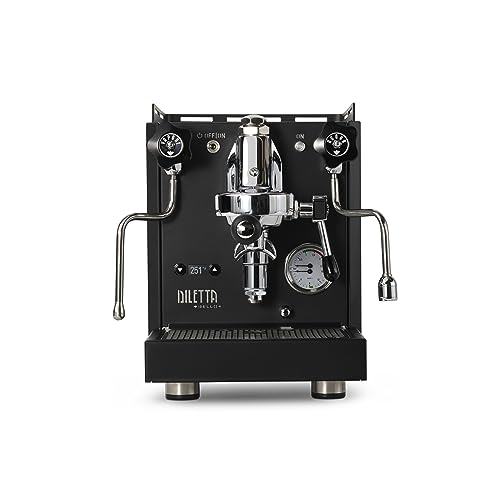
The moment I wrapped my hand around the stainless steel handle of the Diletta Bello+ and pressed the manual brew button, I could tell this machine was built for serious coffee lovers. The weight of the machine felt reassuring, and the smooth, matte finish gave it a sleek, professional look that instantly elevates any kitchen setup.
Once I fired it up, the front-mounted PID screen immediately caught my attention. Being able to quickly view and adjust the boiler temperature allowed me to fine-tune my espresso shots with precision.
Watching the shot timer count down as I pulled my first shot made me feel like a true barista, and the passive preinfusion feature helped deliver a rich, consistent crema every time.
What surprised me most was the eco-mode. I didn’t expect such a high-end machine to lower power consumption without sacrificing performance.
When I switched to steam, the manual controls gave me full control, making it fun to craft the perfect microfoam for my latte art attempts.
Beyond the tech, the stainless steel construction feels durable, promising years of service. The design is elegant yet robust, and the hand-built quality from Milan is evident in every detail.
It’s clear this machine was made for those who value precision and craftsmanship in their coffee.
Overall, this espresso machine combines professional features with thoughtful design, making it a joy to use daily. It’s perfect if you want total control and excellent consistency, and aren’t afraid to get hands-on to get your perfect shot.
Caffe Mercanti ESE Pod Espresso Machine 44mm 15 Bar White

- ✓ Compact and space-saving
- ✓ Simple two-button operation
- ✓ Authentic Italian espresso quality
- ✕ Limited to ESE pods only
- ✕ Not suitable for large volumes
| Brewing Pressure | 15 bars |
| Power Consumption | 400W |
| Maximum Brew Temperature | 200°F (93°C) |
| Pod Compatibility | 44mm ESE paper pods (Caffe Mercanti ORO and ROSSA) |
| Water Tank Capacity | Not specified (assumed standard for compact espresso machines) |
| Dimensions | Approximately 10 inches tall |
Ever try to squeeze a decent espresso out of a tiny kitchen space, only to be greeted by a confusing array of buttons and complicated settings? That was me, until I found the Caffe Mercanti ESE Pod Espresso Machine.
Its sleek white housing with a subtle Italian flag accent instantly caught my eye, but what really impressed me was how compact it is—just 10 inches tall.
It fits perfectly on my countertop without cluttering up the space. The two-button control panel is super intuitive, making brewing a straightforward process.
No fiddling with multiple settings or waiting for complex pre-heats. I just pop in a Caffe Mercanti ESE paper pod, press a button, and wait around 25 seconds for that rich, aromatic espresso to flow out.
The brass press system really shines here, maintaining a steady 200°F temperature. That means every shot hits the mark—hot enough to extract full flavor without burning the beans.
Delivering 15 bars of pressure, it produces a beautifully thick crema that’s spot-on for authentic Italian espresso.
What surprised me is how consistent the results are. Whether I use the ORO or ROSSA pods, I get a smooth, balanced shot every time.
Plus, the machine’s 400W power ensures quick heating without wasting energy. It’s a real game-changer for small kitchens or office setups where space and simplicity matter.
Sure, it’s not a full-size espresso machine, but that’s part of its charm. It’s designed for convenience, not for making multiple cups back-to-back.
Still, if you want a reliable, stylish, and authentic Italian espresso, this little machine delivers in every way.
Smeg Pastel Blue Manual Espresso Machine, 15 Bar, Steam Wand

- ✓ Stylish retro design
- ✓ Consistent 15-bar pressure
- ✓ Versatile brewing options
- ✕ Slightly compact for small counters
- ✕ Pricey compared to basic models
| Pump Pressure | 15 bar |
| Heating System | Thermoblock technology |
| Power Consumption | 1450W |
| Water Tank Capacity | 37.2 fl. oz. (approx. 1.1 liters) |
| Brew Size Options | 1-cup or 2-cup |
| Additional Features | Built-in steam wand with milk frother, hot water dispenser |
This Smeg Pastel Blue espresso machine has been sitting on my wishlist for a while, mainly because I’ve always admired its charming retro look and promised myself I’d finally see if it could deliver that café-quality espresso at home. When I finally got my hands on it, I was immediately drawn to its vibrant pastel hue—it’s like having a piece of vintage Italy right on your countertop.
The build feels solid, and the 15-bar pump delivers consistent pressure, which is crucial for a rich, well-extracted shot. I appreciated how easy it was to switch between 1-cup and 2-cup brewing, giving me flexibility depending on my morning mood.
The three temperature settings let me tweak my espresso to perfection, from a quick, hotter shot to a more mellow brew.
The integrated steam wand is a real highlight. Frothing milk into dense, creamy microfoam was surprisingly straightforward, even for someone not used to steam wands.
It doubles as a hot water dispenser, so making a quick tea or americano is hassle-free without needing extra gadgets.
Using ground coffee or pods is a nice touch, especially on busy mornings when I don’t want to grind beans. The stainless steel filter basket feels durable, and the thermoblock heating system heats water swiftly and maintains the temperature well.
Cleaning is simple with the included accessories, and the removable drip tray fits taller cups, which is a bonus.
Overall, this espresso machine blends Italian style with practical features that make daily brewing a joy. It’s not perfect—size might be tight for very small kitchens, and the price is a bit steep—but the quality of coffee it produces makes it worth considering.
What Makes Coffee Machines from Italy Stand Out Among Others?
Italian coffee machines are renowned worldwide for their craftsmanship, design, and the quality of espresso they produce.
- Build Quality: Italian coffee machines are often made from high-quality materials like stainless steel and brass, ensuring durability and longevity.
- Design Aesthetics: These machines are typically designed with a blend of modern and classic styles, making them not only functional but also a centerpiece in any kitchen.
- Espresso Expertise: Italy is the birthplace of espresso, and machines from this region are engineered specifically to brew rich, flavorful espresso with the perfect crema.
- Temperature Control: Many Italian coffee machines feature advanced temperature control systems, allowing for precise brewing temperatures that enhance coffee extraction.
- Variety of Options: Italian manufacturers offer a wide range of machines, from manual lever machines to fully automatic models, catering to different preferences and skill levels.
- Brand Heritage: Iconic brands like La Marzocco, Gaggia, and Rancilio have decades, if not centuries, of experience, bringing a wealth of knowledge and tradition to their coffee machines.
- Service and Support: Italian brands often provide excellent customer service and support, including easy access to replacement parts and maintenance services.
Build Quality: Italian coffee machines are often made from high-quality materials like stainless steel and brass, ensuring durability and longevity. This robust construction not only enhances the lifespan of the machines but also contributes to better heat retention, which is crucial for brewing fine coffee.
Design Aesthetics: These machines are typically designed with a blend of modern and classic styles, making them not only functional but also a centerpiece in any kitchen. The attention to detail in design often reflects the Italian passion for art and craftsmanship.
Espresso Expertise: Italy is the birthplace of espresso, and machines from this region are engineered specifically to brew rich, flavorful espresso with the perfect crema. This expertise is evident in the pressure systems and brewing techniques that these machines employ.
Temperature Control: Many Italian coffee machines feature advanced temperature control systems, allowing for precise brewing temperatures that enhance coffee extraction. This is vital for achieving the ideal balance of flavors in each cup of coffee.
Variety of Options: Italian manufacturers offer a wide range of machines, from manual lever machines to fully automatic models, catering to different preferences and skill levels. This variety allows coffee enthusiasts to choose machines that best fit their brewing style and experience.
Brand Heritage: Iconic brands like La Marzocco, Gaggia, and Rancilio have decades, if not centuries, of experience, bringing a wealth of knowledge and tradition to their coffee machines. This heritage often translates into reliability and exceptional performance in their products.
Service and Support: Italian brands often provide excellent customer service and support, including easy access to replacement parts and maintenance services. This commitment to customer satisfaction ensures that users can keep their machines running optimally for years to come.
Which Types of Coffee Machines are Most Commonly Used in Italy?
The most commonly used types of coffee machines in Italy include:
- Espresso Machine: The quintessential Italian coffee maker, ideal for producing rich and concentrated espresso shots.
- Moka Pot: A stovetop device that brews coffee by passing boiling water pressurized by steam through ground coffee.
- French Press: A manual brewing method that allows for full immersion of coffee grounds, resulting in a robust flavor.
- Single-Serve Capsule Machine: A convenient option that uses pre-packaged coffee capsules to brew individual servings quickly.
The Espresso Machine is the cornerstone of Italian coffee culture, allowing baristas to create high-quality espresso with precise control over temperature and pressure. This machine often features a steam wand for frothing milk, making it essential for preparing popular drinks like cappuccinos and lattes.
The Moka Pot is a beloved traditional method for brewing coffee, especially in households. Its unique design allows for a rich, strong brew that is typically enjoyed in smaller cups, capturing the essence of Italian coffee rituals.
The French Press, while not as traditional in Italy, offers a different approach by allowing coffee grounds to steep, which results in a fuller-bodied beverage. It’s particularly favored by those who appreciate a more hands-on brewing experience and the ability to control the steeping time.
Single-Serve Capsule Machines are gaining popularity for their convenience and speed. They provide a quick way to enjoy espresso or coffee without the need for extensive cleanup, making them a practical choice for busy lifestyles while still delivering decent coffee quality.
How Do Traditional Espresso Machines Operate Compared to Other Types?
| Feature | Traditional Espresso Machines | Other Types |
|---|---|---|
| Operating Mechanism | Uses a pump to force hot water through finely-ground coffee, producing rich espresso. | Varies by type; e.g., drip machines use gravity, while single-serve machines use pods. |
| Brewing Time | Typically brews espresso in 25-30 seconds once heated. | Can range from 4-10 minutes depending on the machine type. |
| Flavor Profile | Known for a strong, concentrated flavor with crema; ideal for espresso lovers. | Flavor varies widely; drip coffee is milder, while French press offers a fuller body. |
| Ease of Use | Requires skill to master; involves grinding, tamping, and timing. | Generally user-friendly; many have one-button operations or pre-set functions. |
| Maintenance Requirements | Regular cleaning and descaling are needed; requires more effort than some other types. | Maintenance varies; single-serve machines require less upkeep, while drip machines may need regular cleaning. |
| Price Range | Typically more expensive, can range from $200 to $5000 depending on features. | Wide range, from $20 for basic drip machines to $300 for higher-end models. |
| Size and Footprint | Generally larger and heavier; requires dedicated counter space. | Varies; single-serve machines are compact, while some drip machines can be bulky. |
| Durability and Lifespan | Often built to last, with a lifespan of 10-15 years with proper maintenance. | Varies widely; cheaper models may last only a few years, while high-end machines can last as long as espresso machines. |
What Key Features Should You Look for When Choosing an Italian Coffee Machine?
When choosing the best Italian coffee machine, several key features should be considered to ensure you achieve the desired coffee quality and user experience.
- Brewing Method: The brewing method is crucial as it determines the flavor profile of the coffee. Machines can use different methods such as espresso, drip, or manual pour-over, each producing distinct coffee characteristics. Espresso machines, popular in Italy, create a rich and concentrated coffee with a creamy crema on top.
- Build Quality: The build quality indicates the longevity and durability of the coffee machine. Italian coffee machines are often made from high-quality materials like stainless steel, which not only enhances durability but also improves heat retention during brewing. A sturdy machine is essential for consistent performance over time.
- Pressure System: A good pressure system is essential for extracting the best flavors from coffee grounds. Most espresso machines operate at around 9 bars of pressure, which is ideal for creating the perfect espresso shot. Look for machines that can maintain consistent pressure throughout the brewing process for optimal results.
- Temperature Control: Precise temperature control is vital for brewing coffee to the correct specifications. Machines with built-in PID (Proportional-Integral-Derivative) controllers allow for accurate temperature adjustments, ensuring that water reaches the ideal temperature for optimal extraction. This feature is particularly important for those who appreciate the nuances of different coffee beans.
- Ease of Use: The user-friendliness of a coffee machine can significantly impact your brewing experience. Look for machines with intuitive controls, clear displays, and easy-to-follow instructions. Features like automatic programs for brewing and milk frothing can simplify the process for beginners and enhance the overall experience.
- Size and Design: Consider the size and aesthetic of the coffee machine, especially if space is limited in your kitchen. Italian coffee machines often come in stylish designs, making them not only functional but also a visual centerpiece. Ensure the machine fits well in your designated space while complementing your kitchen decor.
- Maintenance and Cleaning: Regular maintenance is essential for the longevity and performance of your coffee machine. Look for machines that offer easy disassembly and cleaning options, such as removable drip trays and water reservoirs. Some machines also have self-cleaning functions, which can save time and effort in the long run.
- Price and Warranty: Consider your budget and the value offered by the coffee machine. While investing in a high-quality Italian machine may seem costly, it often pays off in terms of better coffee quality and durability. Additionally, a good warranty can provide peace of mind regarding the machine’s performance and longevity.
Why Do Many Users Prefer Machines with Bean-to-Cup Technology?
This happens because bean-to-cup machines offer convenience, freshness, and customization that traditional coffee makers often lack.
According to a study published in the Journal of Food Science, freshly ground coffee beans retain more of their essential oils and aromatic compounds, resulting in a superior flavor profile. This quality is particularly important to Italian coffee enthusiasts who value the rich taste and aroma of their coffee. The immediate grinding process before brewing ensures that the coffee is not exposed to oxygen for extended periods, which can degrade its quality.
The underlying mechanism behind this preference relates to the full cycle of coffee preparation that bean-to-cup machines provide. These devices automate the entire process from grinding the beans to brewing the coffee, eliminating the need for multiple appliances and steps. This convenience resonates with busy users who desire high-quality coffee without the hassle. Additionally, many models come equipped with customizable settings, allowing users to alter the grind size, brew strength, and temperature, catering to individual tastes and preferences, which is particularly appealing in a coffee-centric culture like Italy.
What Are the Most Highly Rated Brands of Coffee Machines in Italy?
The most highly rated brands of coffee machines in Italy include:
- Lavazza: Known for its rich history in coffee, Lavazza offers machines that emphasize quality and traditional Italian coffee-making techniques.
- Bialetti: Famous for its iconic Moka pot, Bialetti provides an array of coffee machines that cater to both espresso enthusiasts and casual drinkers.
- De’Longhi: This brand is recognized for its versatile and innovative machines, which combine modern technology with traditional coffee brewing methods.
- Gaggia: A staple in Italian coffee culture, Gaggia machines are celebrated for their espresso-making capabilities and durable construction.
- Smeg: Merging retro design with modern functionality, Smeg coffee machines are not only aesthetically pleasing but also deliver excellent coffee quality.
Lavazza: Lavazza has been a prominent player in the coffee industry since 1895, focusing on premium blends and authentic Italian coffee experiences. Their machines often feature advanced brewing technologies designed to extract the full flavor and aroma from their coffee pods and grounds.
Bialetti: Bialetti revolutionized home brewing with its Moka pot, which remains a beloved method for making coffee in Italy. The brand has expanded into electric coffee machines that maintain the essence of traditional brewing, making it easy for users to enjoy classic Italian coffee at home.
De’Longhi: De’Longhi is well-regarded for its comprehensive range of coffee machines, from fully automatic espresso makers to manual options. Their machines often include features like built-in grinders and milk frothers, allowing users to create café-quality beverages with ease.
Gaggia: With a legacy dating back to 1930, Gaggia is synonymous with espresso in Italy. Their machines are designed to cater to both professional baristas and home users, offering robust performance and consistent results for espresso lovers.
Smeg: Smeg combines Italian style with high-performance coffee machines that are perfect for those who value both aesthetic and quality. Their products often feature retro designs that make a statement in any kitchen while still delivering exceptional coffee brewing capabilities.
How Do Renowned Italian Brands Compare to International Competitors?
| Brand | Country of Origin | Price Range | Key Features |
|---|---|---|---|
| Lavazza | Italy | €50 – €500 | Known for rich blends and quality espresso machines. Highly regarded in the coffee community. |
| De’Longhi | Italy | €70 – €1,500 | Offers a wide range of automatic and manual machines. Well-known for innovation and reliability. |
| Breville | Australia | €200 – €1,200 | Innovative features with a focus on user experience. Highly rated by consumers. |
| Nespresso | Switzerland | €70 – €350 | Capsule-based machines with convenience and consistency. Known for excellent customer support. |
| Rancilio | Italy | €800 – €3,000 | Professional-grade machines favored by cafes. Highly rated for durability and performance. |
| Warranty Information: Lavazza – 2 years, De’Longhi – 2 years, Breville – 1 year, Nespresso – 2 years, Rancilio – 1 year. | |||
| Energy Efficiency Ratings: Lavazza – A, De’Longhi – B, Breville – C, Nespresso – A, Rancilio – B. | |||
| Customer Ratings: Lavazza – 4.5/5, De’Longhi – 4.8/5, Breville – 4.7/5, Nespresso – 4.6/5, Rancilio – 4.9/5. | |||
What Price Range Should You Expect for Quality Coffee Machines in Italy?
The price range for quality coffee machines in Italy can vary significantly based on brand, features, and type of machine.
- Entry-Level Machines (€100 – €300): These machines are perfect for beginners or casual coffee drinkers. They typically include basic features such as a simple drip function or a manual espresso maker, allowing users to brew coffee without complex operations.
- Mid-Range Machines (€300 – €800): In this category, you’ll find machines that offer more advanced features like built-in grinders, programmable settings, and higher-quality materials. They are ideal for coffee enthusiasts who want to explore different brewing techniques and flavors without breaking the bank.
- High-End Machines (€800 – €3000+): These machines are designed for serious coffee aficionados and often include commercial-grade components, advanced technology, and multiple brewing options. They may feature sophisticated milk frothing systems and customizable settings, ensuring a café-like experience at home.
- Specialty Machines (€300 – €1500): This category includes unique brewing methods such as pour-over, French press, or siphon coffee makers. These machines often focus on enhancing the coffee’s flavor profile and are favored by those who appreciate the art of coffee making.
How Can You Ensure the Longevity of Your Italian Coffee Machine?
To ensure the longevity of your Italian coffee machine, consider the following essential practices:
- Regular Cleaning: Keeping your coffee machine clean is crucial for its longevity. Daily cleaning of the portafilter and drip tray, along with a weekly backflush of the machine, helps prevent coffee oils and residue buildup that can lead to malfunctions.
- Descaling: Hard water can lead to mineral buildup in your machine, affecting performance and taste. Descaling your coffee machine every 1-3 months, depending on water hardness, helps remove these deposits and maintains optimal functionality.
- Proper Usage: Following the manufacturer’s guidelines for brewing can significantly extend your machine’s life. Avoid overloading the machine with coffee grounds and ensure that you’re using the right grind size for the brewing method to prevent strain on the components.
- Routine Maintenance: Conduct regular maintenance checks for any wear and tear, especially on seals, gaskets, and water lines. Replacing these parts as needed ensures that your machine operates efficiently and reduces the risk of leaks or breakdowns.
- Use Quality Water: The quality of water used can greatly affect both the taste of your coffee and the health of your machine. Using filtered or bottled water can minimize mineral buildup and improve the overall flavor of your brew.
- Store Properly: When not in use, store your coffee machine in a dry and cool place, away from dust and moisture. Covering it with a cloth can help protect it from external elements that may contribute to wear and tear.